.png)
Day 1: What is Commercial Auto Insurance (And Who Actually Needs It?)
- W. Tom Polowy, MS

- Jan 2
- 7 min read
Welcome to Day 1 of our 7-part Commercial Auto Insurance Series for Connecticut business owners. Over the next week, we'll walk you step-by-step through everything you need to protect your vehicles, your people, and your bottom line. This series is built for real-world operators—from solo contractors in Hartford County to growing delivery teams in New Haven—who want clear answers without the fluff.
Here's the road map: Day 2 breaks down the core coverage types and how to build a protection plan. Day 3 tackles who actually needs what—company-owned, hired and non-owned, employee vehicles, and drivers. Day 4 explains pricing factors and smart ways to control costs. Day 5 walks through claims and what to do after an accident. Day 6 covers contracts, certificates of insurance, and compliance requirements that can make or break jobs. Day 7 ties it all together with how to choose a policy and compare carriers with confidence.
Today, we're starting with the foundation: what exactly is commercial auto insurance, and do you actually need it for your business? See you tomorrow for Day 2, where we unpack the coverage types and help you start building your protection plan.
What Is Commercial Auto Insurance?
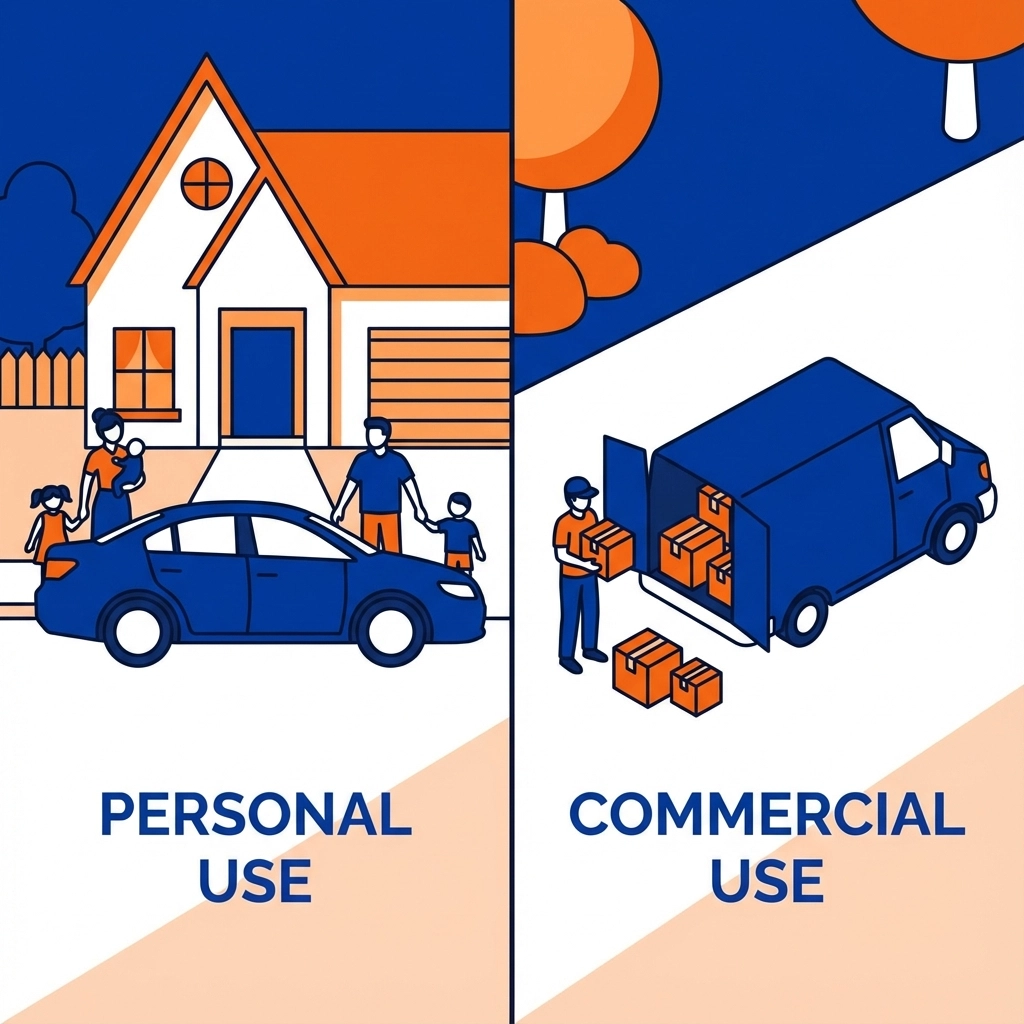
Commercial auto insurance is a specialized business insurance policy designed to protect vehicles used for business purposes. Unlike your personal car insurance, commercial auto coverage is specifically tailored to handle the unique risks that come with business vehicle use.
Think of it this way: when you drive to the grocery store on Sunday morning, you're covered by your personal auto policy. But when your employee drives the company van to deliver products to customers across Connecticut, that's where commercial auto insurance steps in.
Commercial auto insurance covers:
Damage to business-owned vehicles
Bodily injuries caused by accidents involving company vehicles
Property damage to other people's vehicles or property
Legal costs if your business is sued after an accident
Medical expenses for injured parties
The policy protects your business from financial liability when accidents happen during business operations, whether you're behind the wheel or one of your employees is driving.
How Commercial Auto Insurance Differs from Personal Auto Coverage
Many Connecticut business owners make the mistake of assuming their personal auto insurance will cover business activities. This misconception can lead to denied claims and significant out-of-pocket expenses.
Personal auto insurance is designed for individual drivers using their vehicles for personal activities like commuting to work, running errands, or taking family trips. Most personal policies specifically exclude coverage for business use beyond basic commuting.
Commercial auto insurance, on the other hand, is built around business risks and needs:
Coverage Scope
Personal auto policies typically cover one or two vehicles owned by individuals. Commercial policies can cover entire fleets, from a single work truck to hundreds of vehicles across multiple locations.
Risk Assessment
Insurance companies evaluate commercial risks differently. They consider factors like:
How many miles your vehicles travel annually
What types of cargo you transport
How many employees drive company vehicles
The nature of your business operations
Coverage Limits
Commercial policies often offer higher liability limits because businesses face greater exposure to lawsuits and large damage claims. A delivery truck accident could potentially cause much more damage than a typical personal vehicle incident.
Additional Protections
Commercial auto insurance includes coverages rarely found in personal policies, such as hired and non-owned vehicle protection, cargo insurance, and business interruption coverage.
Who Actually Needs Commercial Auto Insurance?
The simple answer: if your business owns vehicles or if vehicles are essential to your operations, you need commercial auto insurance. But let's break this down into specific scenarios relevant to Connecticut businesses.
Businesses That Own Vehicles
Any Connecticut business that owns vehicles must carry commercial auto insurance. This includes:
Service-Based Businesses:
Plumbing, electrical, and HVAC contractors
Landscaping and lawn care companies
Cleaning services
Home repair and maintenance companies
Delivery and Transportation:
Food delivery services
Courier companies
Moving companies
Ride-sharing business owners (for commercial use)
Retail and Sales:
Businesses with delivery trucks
Companies that transport inventory
Mobile vendors and food trucks
Healthcare Services:
Medical equipment delivery
Home healthcare providers
Mobile veterinary services
The Connecticut Context
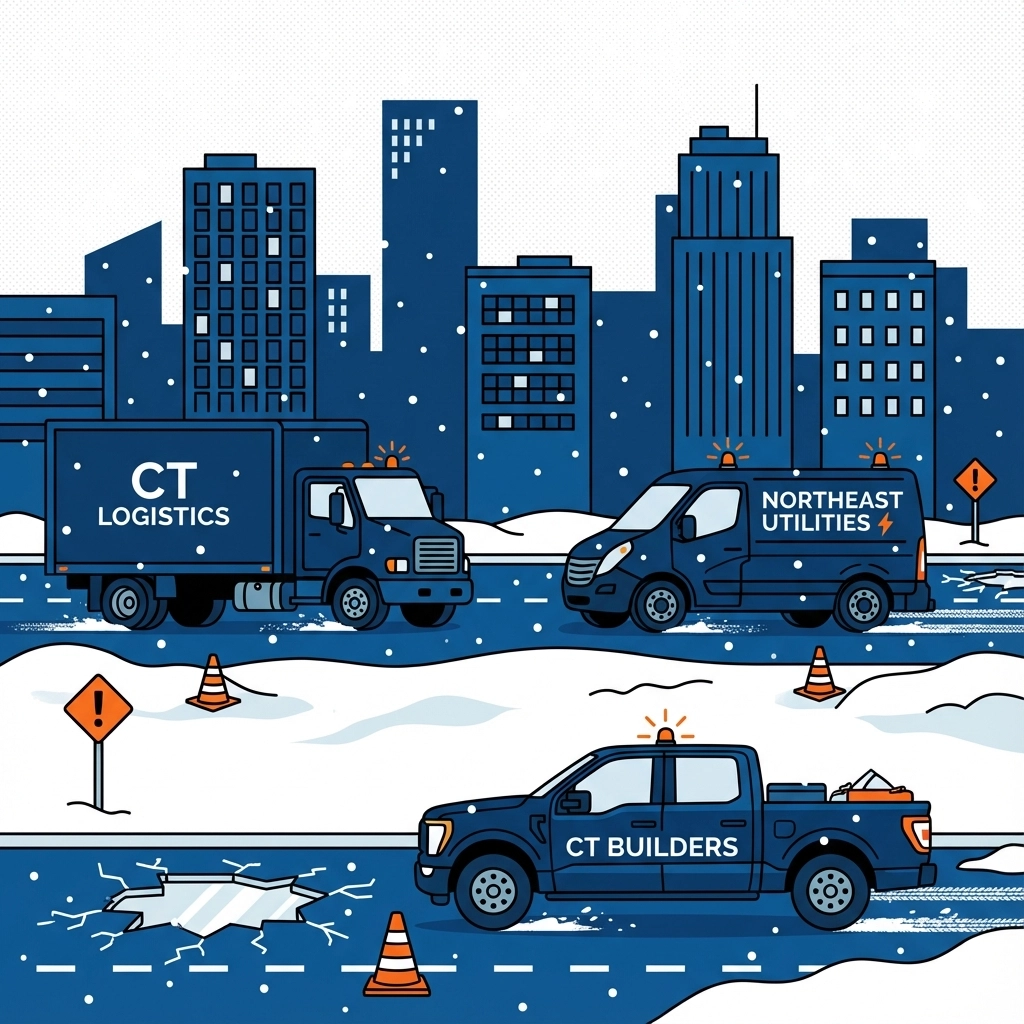
Connecticut's business landscape makes commercial auto insurance particularly important. Our state's dense population, narrow roads, and harsh winter weather create unique risks for business vehicles.
High-Density Areas: Cities like Hartford, New Haven, and Bridgeport have heavy traffic and increased accident risks. Commercial vehicles operating in these areas face higher liability exposure.
Seasonal Challenges: Connecticut winters can be brutal. Snow, ice, and freezing temperatures increase the likelihood of accidents and vehicle damage. Commercial auto insurance helps businesses stay operational during challenging weather.
Legal Requirements: Connecticut requires minimum liability coverage for all vehicles, including commercial ones. Operating without proper coverage can result in fines, license suspension, and personal liability for damages.
Essential Commercial Auto Coverage Types
Understanding the basic types of commercial auto coverage helps you make informed decisions about protecting your Connecticut business.
Liability Coverage
This is the foundation of any commercial auto policy. Liability coverage pays for damage you cause to other people and their property.
Bodily Injury Liability: Covers medical expenses, lost wages, and legal costs when your business vehicle injures someone else.
Property Damage Liability: Pays for damage to other vehicles, buildings, or property caused by your business vehicle.
Connecticut requires minimum liability coverage, but these minimums often aren't enough for businesses. A serious accident could easily result in damages exceeding state minimums.
Physical Damage Coverage
This protects your actual business vehicles from damage.
Collision Coverage: Pays for damage when your vehicle hits another vehicle or object, regardless of who's at fault.
Comprehensive Coverage: Covers damage from theft, vandalism, fire, hail, falling objects, and other non-collision incidents.
For businesses that depend on their vehicles for daily operations, physical damage coverage is crucial. A damaged delivery truck doesn't just mean repair costs: it means lost business revenue.
Additional Important Coverages
Medical Payments: Covers medical expenses for you and your passengers, regardless of who caused the accident.
Uninsured/Underinsured Motorist: Protects your business when the other driver doesn't have adequate insurance.
Hired and Non-Owned Vehicle Coverage: This is crucial for businesses whose employees occasionally use personal vehicles for work or rent vehicles for business purposes.
Real-World Scenarios: When You Need Commercial Auto Insurance
Let's look at some common Connecticut business situations where commercial auto insurance becomes essential.
Scenario 1: The Contractor's Dilemma
Mike runs a small electrical contracting business in West Hartford. He uses his pickup truck to travel between job sites, carrying tools and electrical supplies. One rainy morning, Mike slides through an intersection and hits another car, injuring the driver.
Mike's personal auto insurance denies the claim because he was using the vehicle for business purposes. Without commercial auto insurance, Mike faces:
Medical bills for the injured driver
Property damage to the other vehicle
Legal fees if he's sued
Potential business closure if he can't afford the expenses
Scenario 2: The Delivery Service Challenge
Sarah operates a meal delivery service in New Haven. Her drivers use company-owned vehicles to deliver food throughout the city. During a busy Friday evening, one of her drivers rear-ends a luxury car while rushing to complete a delivery.
The accident damages a $80,000 vehicle and injures two passengers who require emergency medical treatment. Sarah's commercial auto insurance covers:
The expensive vehicle repairs
Medical expenses for both injured passengers
Legal representation when the passengers sue
Rental car costs while the damaged vehicle is being repaired
Without commercial coverage, this single accident could bankrupt Sarah's growing business.
Why Connecticut Businesses Can't Afford to Skip Commercial Auto Coverage
Connecticut's business environment presents unique challenges that make commercial auto insurance not just important, but essential.
Economic Impact of Vehicle Accidents
Connecticut has some of the highest insurance costs in the nation, partly due to our dense population and expensive medical care. When accidents happen, the financial impact is significant.
A single serious accident can result in:
Medical bills ranging from thousands to hundreds of thousands of dollars
Property damage costs that escalate quickly with today's expensive vehicles and technology
Legal fees that can mount rapidly in Connecticut's litigious environment
Lost business revenue while vehicles are out of service
Protecting Your Business Reputation
Beyond the immediate financial costs, accidents involving business vehicles can damage your reputation. Commercial auto insurance includes coverage for legal representation and public relations support, helping protect your business's good name.
Compliance with Contracts
Many Connecticut businesses require proof of commercial auto insurance before entering into contracts. General contractors, for example, often require subcontractors to carry specific amounts of commercial auto coverage. Without proper insurance, you could miss out on lucrative business opportunities.
Making the Right Choice for Your Connecticut Business
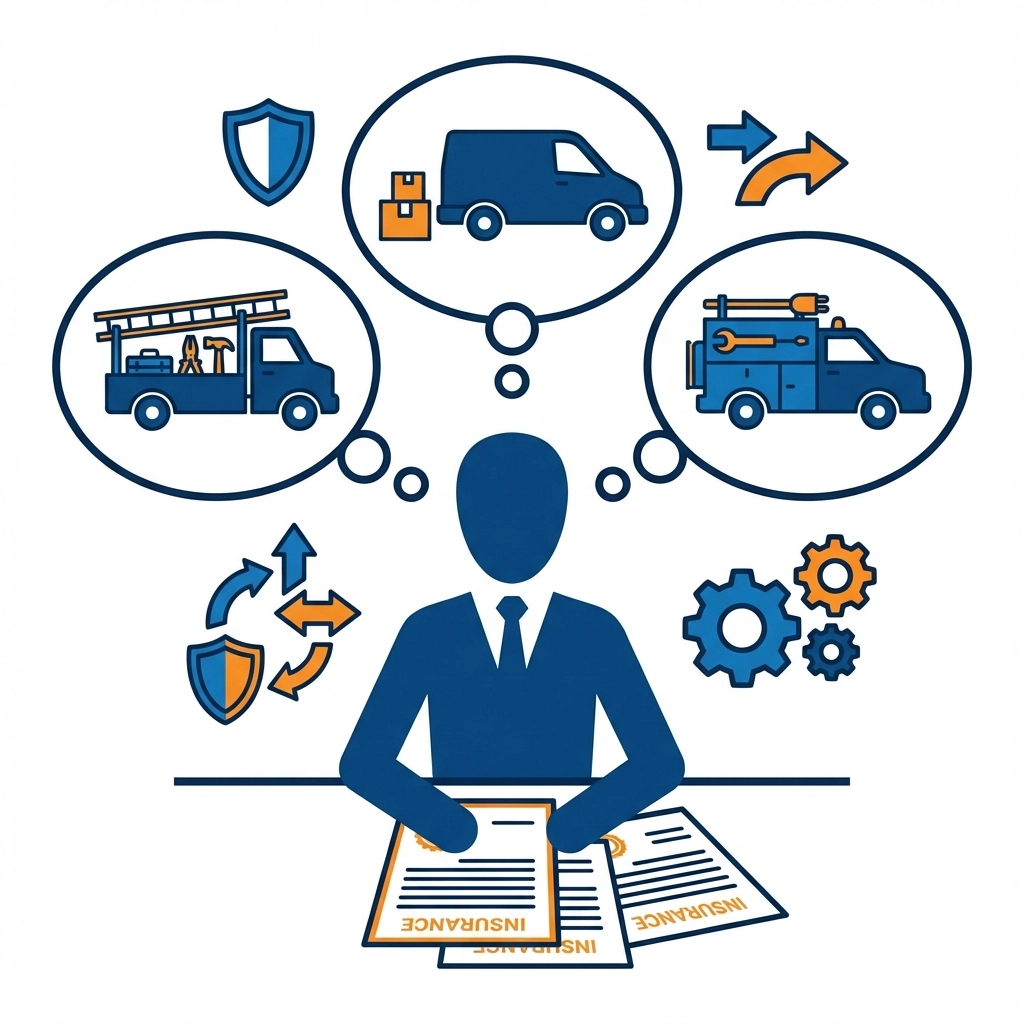
Choosing commercial auto insurance isn't just about meeting legal requirements: it's about protecting your business's future. The right coverage provides peace of mind, allowing you to focus on growing your business rather than worrying about potential accidents.
When evaluating your needs, consider:
The number and types of vehicles your business uses
How often and where your vehicles operate
The value of cargo or equipment you transport
Your industry's specific risks and requirements
What's Coming Tomorrow
Now that you understand what commercial auto insurance is and who needs it, tomorrow we'll dive deeper into the specific types of coverage available. We'll explore how to determine exactly what coverage your Connecticut business needs and what factors influence your insurance costs.
Whether you're a contractor hauling equipment across Hartford County or a delivery service navigating New Haven's busy streets, understanding your coverage options is crucial for making smart insurance decisions.
Take Action Today
Don't leave your Connecticut business exposed to unnecessary risks. If you're using vehicles for business purposes and don't have commercial auto insurance, you're gambling with your company's future.
Ready to protect your business? Contact Insure Connecticut LLC at (860) 440-7324 or visit our business insurance page for a free consultation. Our experienced agents understand Connecticut's unique business challenges and can help you find the right commercial auto coverage for your specific needs.
Tomorrow: Day 2 - Types of Commercial Auto Coverage: Building Your Protection Plan

Comments