.png)
Barn Find Myths: Is Litchfield County Hiding Connecticut’s Last Great Collector Cars?

Welcome to Day 6 of Collector Car Month here at Insure Connecticut LLC. If you have been following our journey through the automotive landscape of the Constitution State, you know we have already covered everything from the best driving roads in the Berkshires to the intricacies of high-value motorcycle insurance in Connecticut. But today, we are diving into the stuff of legends, the automotive equivalent of El Dorado.
We are talking about barn finds.
For decades, rumors have swirled through the diners of Litchfield, the backroads of Burlington, and the historic estates of Farmington. Stories of dust-covered Ferraris tucked behind stacks of hay, or original-paint Hemi Cudas resting silently in a collapsed tobacco shed. But as we move further into 2026, a haunting question looms over the collector community: Have we found everything yet? Is Litchfield County officially tapped out, or is there one last great discovery waiting behind a rusted padlock?
At Insure Connecticut LLC, we deal in the reality of protection, but we appreciate the romance of the hunt. Whether you are searching for a forgotten treasure or protecting a multi-car collection, we provide the homeowners insurance and specialized riders necessary to keep your assets safe. Let’s investigate the myths and realities of Connecticut’s hidden automotive heritage.
The Investigative Report: Are the Barns Truly Empty?
The concept of a "barn find" has changed. In the 1980s, you could stumble upon a 1960s Mustang in a Farmington garage because the owner simply viewed it as an old car that didn't start. Today, information is the most common commodity. With the rise of the internet, every person with a smartphone knows that "old" often translates to "valuable."
Myth #1: The Unaware Owner
The most persistent myth in Litchfield County is the "clueless widow" or the "forgotten estate." While these scenarios happen, they are increasingly rare. In reality, most owners of hidden cars in Burlington or Litchfield know exactly what they have. They aren't "forgetting" the car; they are "saving" it.
We often see these cars during property inspections for dwelling fire insurance or estate planning. The owner usually has a sentimental attachment that outweighs the financial incentive to sell. They intend to restore it "one day," a day that often stays perpetually on the horizon.
Myth #2: Litchfield is Picked Clean
Because Litchfield County is a hub for the wealthy and the historically minded, many assume "professional hunters" have already knocked on every door from Woodbury to Salisbury. This is a fallacy. Connecticut’s geography is its best-kept secret. The dense woods and rolling topography of the Litchfield Hills provide thousands of acres of visual cover.
Unlike the flat plains of the Midwest where a car sitting in a field is visible from the highway, a classic car in Burlington could be thirty feet from the road, hidden by a stone wall and a thicket of hemlocks, and remain unseen for forty years.
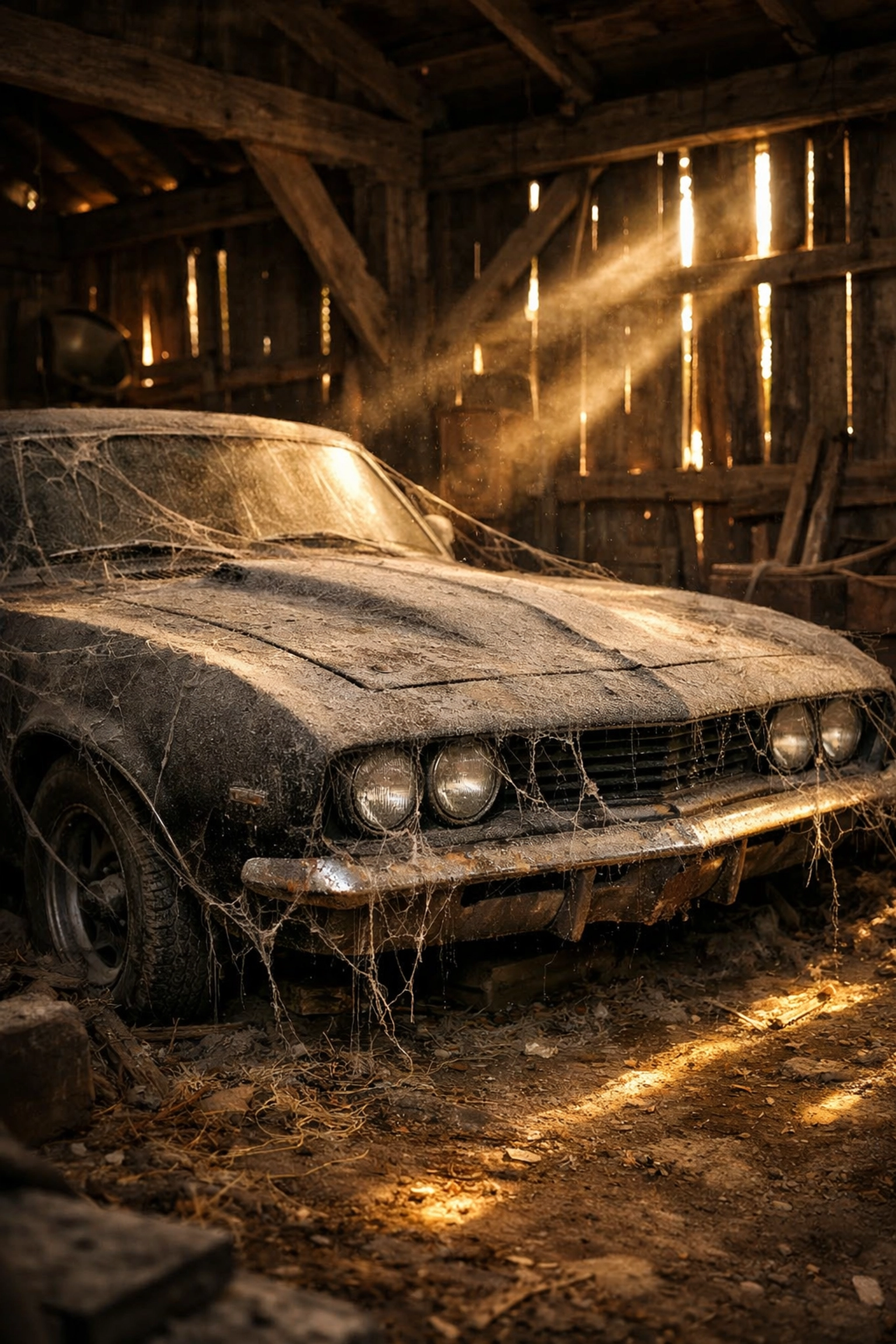
The Burlington-Farmington Corridor: A Case Study in Hidden Iron
Why do we focus so heavily on the Burlington and Farmington areas? History. These towns were the crossroads of early American industry and agriculture. Farmington, with its deep-rooted colonial history, has estates that have remained in the same families for generations. When a family stays in one place for 150 years, the outbuildings tend to accumulate "stuff."
In Burlington, the rugged terrain and historical reliance on small-scale farming meant that many properties featured multi-purpose barns. We have seen instances where a 1950s Porsche was literally walled off in a barn to make room for more modern farm equipment. It wasn't lost; it was just in the way.
Recent Discoveries
While the search results for "Litchfield County barn finds" might seem thin on the surface, the "underground" market is thriving. Just recently, a 1973 Dodge Challenger surfaced in Connecticut, sparking a frenzy among Mopar enthusiasts. These cars don't always make it to a flashy auction house; often, they are sold via word-of-mouth at a local coffee shop or through a specialized broker.
If you are lucky enough to find such a vehicle, the first thing you need to do is establish its value for insurance purposes. A "barn find" is a liability until it is properly documented. You can request a quote through our agency to ensure your discovery is covered the moment it hits the trailer.
How to Spot a "Live" Barn: Tips for the Connecticut Hunter
If you are going to hunt for collector cars in Connecticut, you need a strategy that goes beyond just driving around with a pair of binoculars. You need to be an investigator.
1. Follow the Power Lines and Zoning Records
Look for properties in Litchfield County that haven't changed hands in over 40 years. Modern developments are rarely the site of a true barn find. You are looking for "long-term hold" properties. Check local zoning records for "automotive storage" or "non-conforming use" permits issued decades ago.
2. The "Structure" Signs
Not all barns are created equal. In our experience at Insure Connecticut LLC, we’ve noticed that tobacco barns, common in the Farmington Valley, are terrible for cars because of the airflow (and moisture) they allow. However, the stone-foundation dairy barns of Litchfield are essentially climate-controlled vaults. If you see a barn with a solid stone foundation and a roof that isn't sagging, there is a much higher chance that whatever is inside is still in restorable condition.
3. Networking Over Knocking
Don't be the person who knocks on a stranger's door in Burlington asking about the "junk in the yard." That is a fast way to get a "No Trespassing" sign pointed at your face. Instead, visit the local agricultural fairs or the classic car meet-ups. Information in small towns travels through trust.
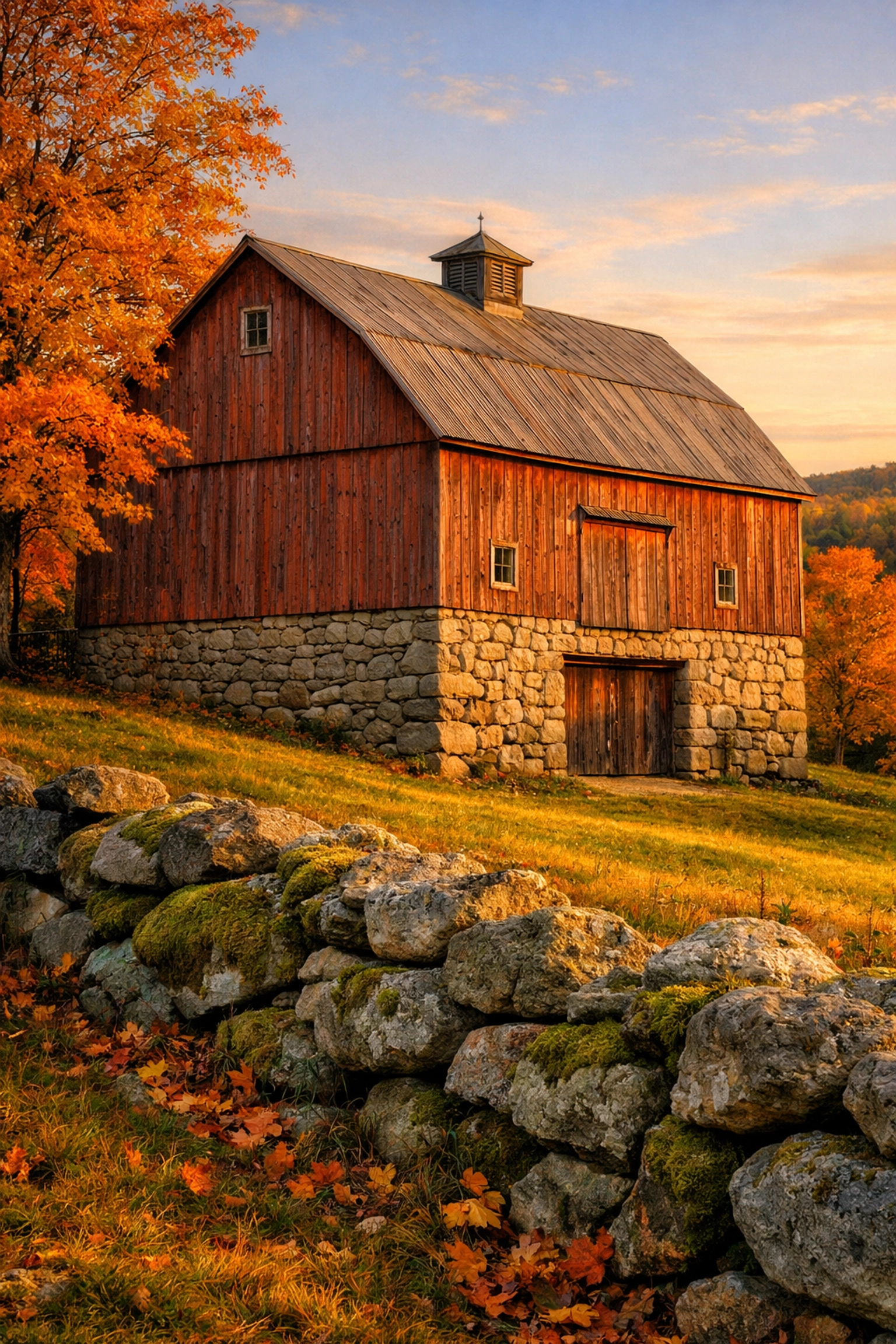
The Insurance Aspect: Bringing a Ghost Back to Life
Finding the car is only 10% of the battle. The remaining 90% is the legal and financial "resurrection." One of the biggest challenges with barn finds in Connecticut is the paperwork. Many of these cars haven't been registered since the 1970s.
Establishing Agreed Value
Standard auto insurance is designed for your daily driver. It calculates "Actual Cash Value," which is the car's price minus depreciation. For a 1967 Corvette found in a barn, "Actual Cash Value" might be close to zero because the car doesn't run.
At Insure Connecticut LLC, we specialize in Agreed Value Insurance. This means we work with you to determine what the car is worth in its current state, and that is the amount you are covered for in the event of a fire, theft, or garage collapse. This is especially important for jewelry-grade collector cars where the parts alone are worth thousands.
Restoration Coverage
As you begin to pour money into a Burlington barn find, the value of the vehicle increases. You need a policy that scales with your restoration. We offer coverage that can be adjusted as you move from "rolling chassis" to "concourse ready."
Future Trends: The Digital Barn Find
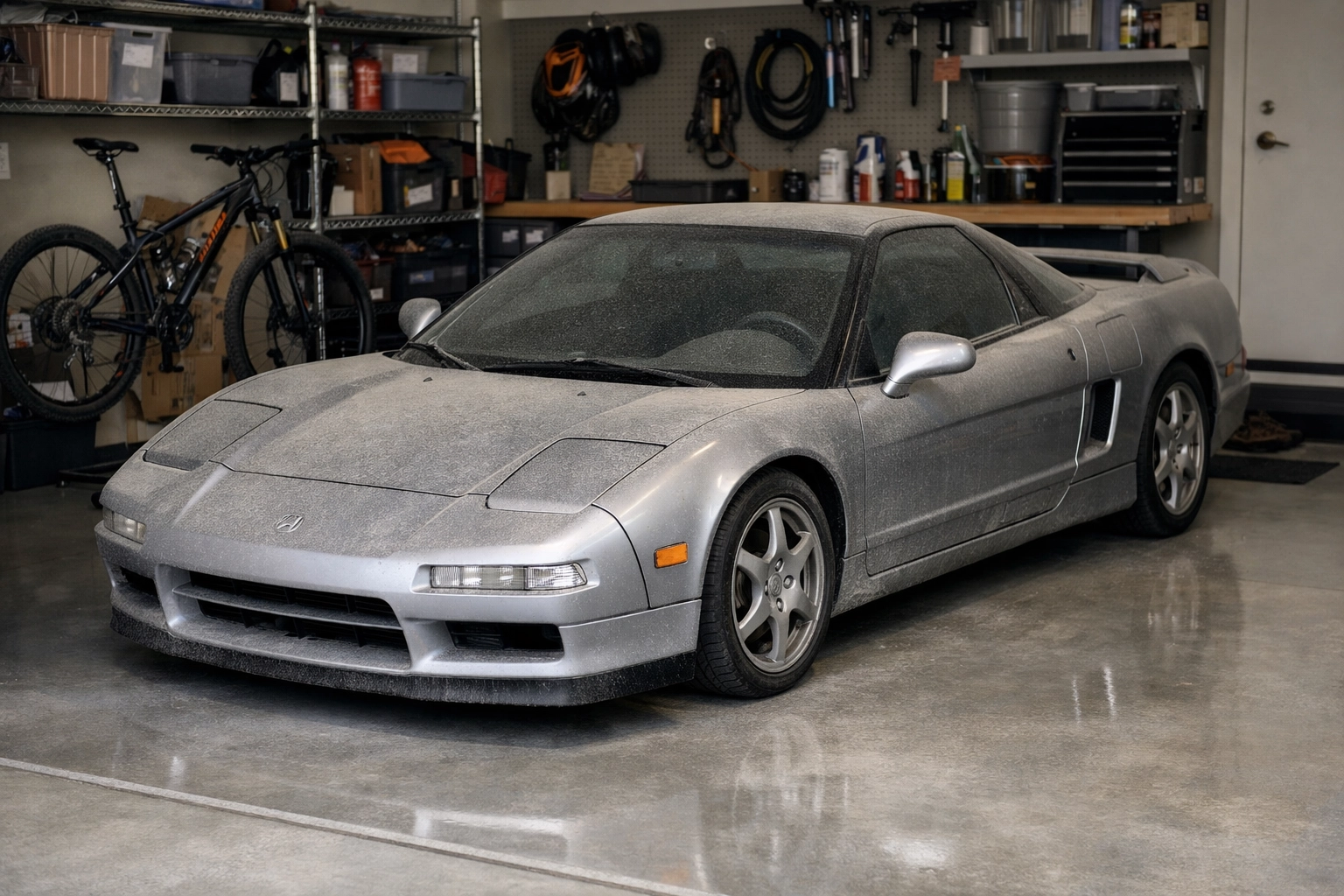
As we look toward the 2030s, the "barn find" is evolving. We are seeing a shift toward "Garage Finds" in suburban areas like West Hartford and Avon. These aren't cars hidden in hay; they are 1990s and 2000s "Modern Classics", think low-mileage Acura NSXs or BMW E46 M3s, tucked away in heated suburban garages.
The Rise of Online Estate Sales
The days of driving backroads are being supplemented by digital sleuthing. Many Litchfield County estates now use professional liquidators who list items online. However, these liquidators often don't know the specific nuances of a rare trim package or an experimental engine code. The "find" is still there; you just have to find it in the photos.
For more information on how the digital shift is affecting the local market, check out our educational insurance videos which cover everything from digital assets to physical property protection.
Frequently Asked Questions About CT Barn Finds
1. Is it legal to buy a car without a title in Connecticut?
Connecticut is a "non-titling" state for older vehicles, but you still need a valid Bill of Sale and evidence of previous registration or a "Q-1" form for a supplemental assignment of ownership. Always verify the VIN before handing over cash.
2. Does my homeowners insurance cover a car in my barn?
Usually, no. Standard homeowners insurance excludes motorized vehicles. You need a specific inland marine or classic car policy to protect a vehicle, even if it’s currently in pieces.
3. How do I prove the value of a "dirty" barn find?
Photos, historical sales data of similar "project" cars, and a professional appraisal are your best tools. We can help you navigate this process to ensure your small business or personal collection is correctly valued.
4. What are the most common cars found in Litchfield County?
Due to the historical wealth of the area, we see a higher-than-average number of European imports, Jaguar, MG, and Mercedes-Benz. However, the domestic "muscle" finds are the ones that usually make the headlines.
5. Can I insure a car that doesn't run?
Yes. We offer "comprehensive-only" or "lay-up" policies. This protects the car against fire, theft, and falling objects while it sits in your garage during the restoration process.
6. Are there still "undiscovered" cars in Farmington?
Absolutely. Many of the larger estates in Farmington have outbuildings that haven't been fully cataloged in decades. The "discovery" often happens during a property transfer or an estate liquidation.
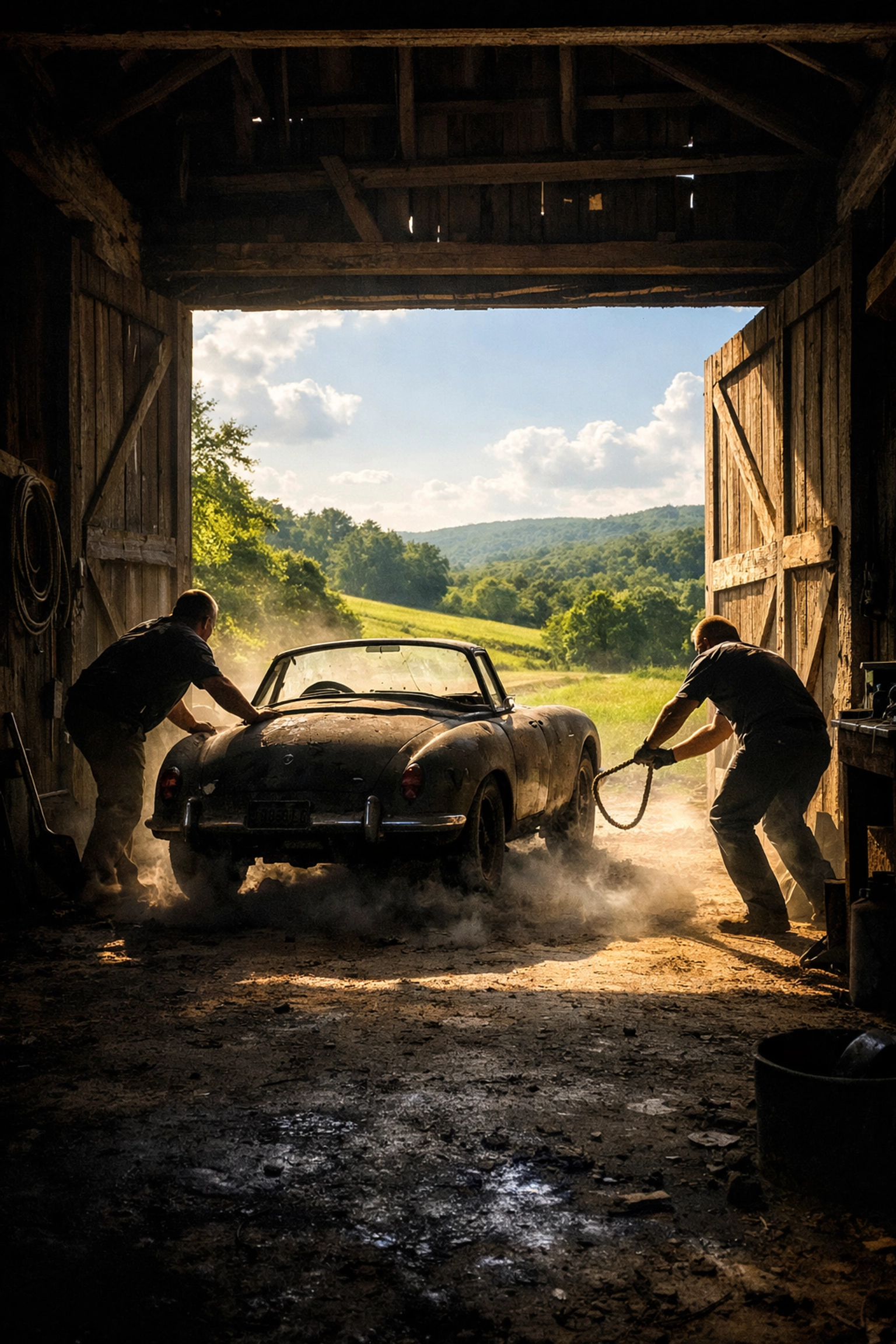
Conclusion: The Hunt Continues
Is Litchfield County hiding Connecticut's last great collector cars? The evidence suggests a resounding yes. While the "easy" finds may be a thing of the past, the "great" finds: those significant pieces of automotive history tucked away in the shadows of Burlington and Farmington: are still out there. They are protected by the landscape, by the privacy-loving nature of Connecticut residents, and sometimes by a layer of dust four decades thick.
Hunting for these treasures is a quintessential part of the Connecticut car culture. It requires patience, respect for the local community, and a keen eye for detail. But more importantly, once you find that dream car, it requires the right protection.
At Insure Connecticut LLC, we aren't just insurance brokers; we are enthusiasts who understand the blood, sweat, and tears that go into a restoration. From your initial quote to the day you finally pull that car out into the Litchfield sunlight, we are here to ensure your investment is safe.
If you’ve discovered something special, or if you’re looking to protect an existing collection, don’t leave it to chance. Contact us at our West Hartford office or call 860-440-7324. Let’s make sure your "find of a lifetime" stays protected for generations to come.
Watch the pros do it: For inspiration, check out the Hagerty Barn Find Hunter series to see how experts track down leads across the country. Then, come back to us to make sure your local discovery is covered!
Insure Connecticut LLC, DBA, InsureCT 71 Raymond Road, West Hartford, CT 06107 Phone: 860-440-7324
Comments