.png)
CMMC 2.0 Compliance vs. Cyber Insurance: What CT Defense Contractors Need to Know
- W. Tom Polowy, MS

- Apr 5
- 8 min read
If you operate a machine shop in the Enfield-to-Oxford industrial corridor, you know that "precision" isn't just a marketing buzzword, it is the lifeblood of your business. Whether you are milling turbine blades for aerospace giants or machining components for submarine hulls, your tolerances are measured in microns. However, in 2026, the tightest tolerances you face aren't on the shop floor; they are in your digital environment.
For Connecticut defense contractors, two massive requirements have converged: CMMC 2.0 Compliance and Cyber Insurance.
We hear the questions every day at Insure Connecticut: "If I’m CMMC Level 2 compliant, why do I still need cyber insurance?" or "If I have a great insurance policy, does that satisfy my DoD contract requirements?"
The short answer is: No. Compliance and insurance are two different tools designed for two different jobs. One is your "license to play" in the defense sandbox, while the other is your financial safety net when a digital "tool crash" happens. This guide will break down the differences, the overlaps, and exactly what you need to protect your shop and your contracts.
The Reality of the CT Defense Supply Chain
Connecticut’s manufacturing sector is the backbone of the state’s economy. From Pratt & Whitney to Electric Boat, the flow of Controlled Unclassified Information (CUI) through subcontractors is constant. In the past, cybersecurity was treated as an "IT problem." Today, it is a business continuity and contractual eligibility problem.
If you handle CUI, CMMC 2.0 Level 2 is your mandatory standard. It’s a set of 110 security controls derived from NIST SP 800-171. Meanwhile, the market for connecticut business insurance has hardened. Carriers are no longer handing out cyber policies to anyone with a firewall. They are demanding proof of the exact same controls the DoD requires.

CMMC 2.0 vs. Cyber Insurance: The Fundamental Difference
To understand why you need both, you have to understand their primary objectives.
What is CMMC 2.0? (The Contractual Mandate)
CMMC (Cybersecurity Maturity Model Certification) is a Department of Defense program. Its goal is the protection of sensitive defense information.
Purpose: To protect the government’s data.
Consequence of Failure: You lose your ability to bid on contracts. You face False Claims Act violations. Your business effectively shuts down because you are "debarred" from the supply chain.
Focus: Prevention and hygiene. It is about building a digital fortress so the data doesn't get out.
What is Cyber Insurance? (The Risk Transfer)
Cyber insurance is a commercial contract between you and an insurance carrier.
Purpose: To protect your balance sheet.
Consequence of Failure: If you have a breach without insurance, you pay for the forensic investigators, the legal fees, the ransom, and the business interruption costs out of your own pocket.
Focus: Recovery and remediation. It is about what happens after the fortress is breached.
The Bottom Line: CMMC tells the government you are safe to work with. Cyber insurance tells your bank and your employees that you will still be in business after a ransomware attack.
Where They Overlap: The "Security Minimums"
While they serve different masters, CMMC 2.0 and modern cyber insurance policies share a significant amount of "DNA." In 2026, if you are working toward CMMC Level 2, you are already doing 80% of the work required to get a preferred rate on your ct business insurance.
Here are the key areas where compliance and insurance requirements intersect:
Multi-Factor Authentication (MFA): This is non-negotiable for both. If you don't have MFA on all remote access and administrative accounts, you will fail a CMMC audit and you will be denied cyber insurance.
Endpoint Detection and Response (EDR): Both the DoD and insurance carriers want to see active monitoring of your workstations and servers.
Backup Integrity: CMMC requires backed-up data protection; insurers require "immutable" backups that cannot be encrypted by hackers.
Vulnerability Management: Regularly scanning your systems for holes is a CMMC requirement and a key underwriting factor for insurance.
Incident Response Planning: You must have a written plan for what to do during a breach. CMMC auditors want to see it; insurance carriers want to know who is on your "speed dial" (legal, forensics, etc.).
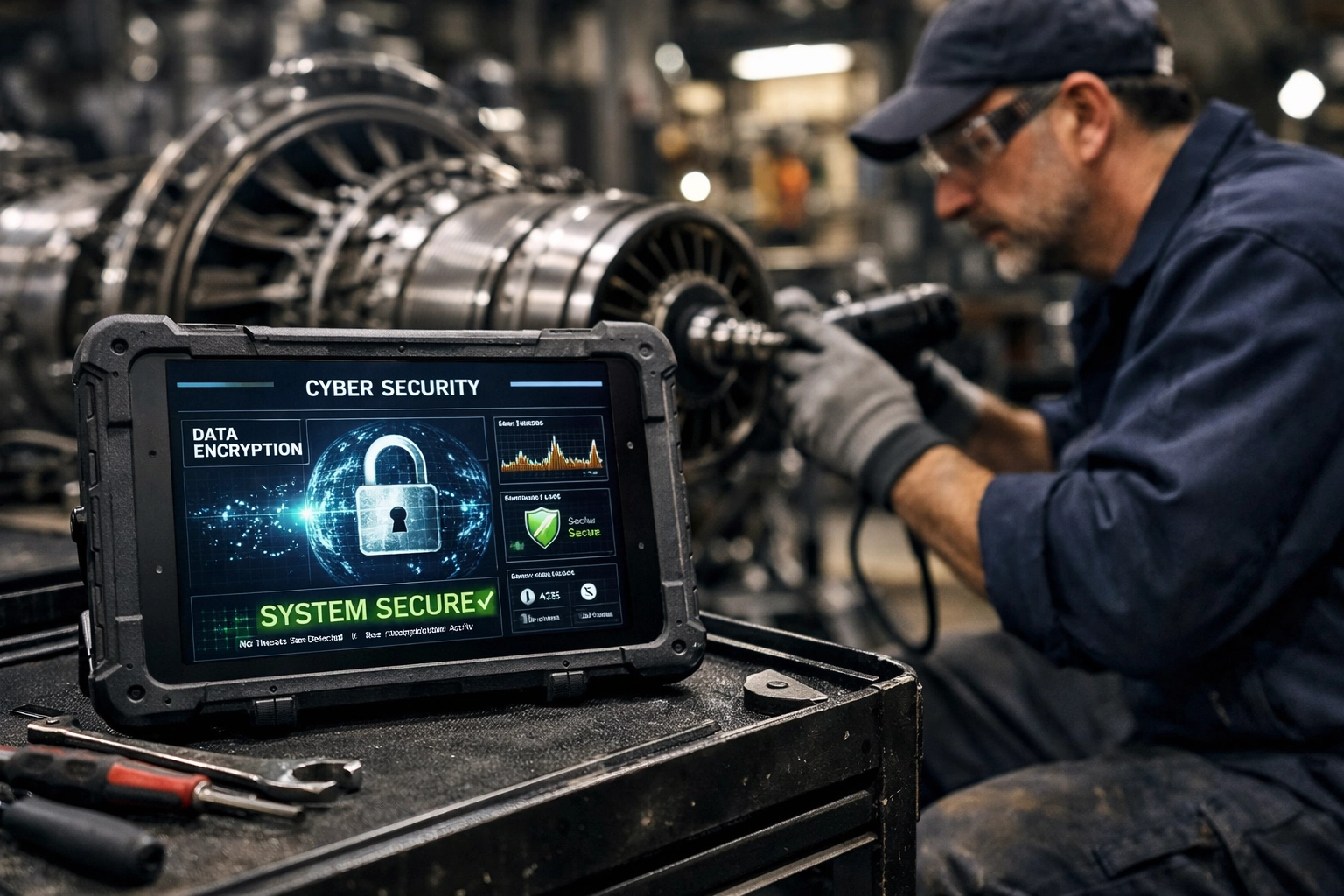
Why Compliance Is Not a Guarantee of Insurability
Many CT manufacturers assume that hitting the 110 controls of NIST 800-171 (CMMC Level 2) makes them "un-hackable" and therefore easily insurable. This is a dangerous misconception.
Insurance carriers look at risks that CMMC doesn't prioritize. For example:
Social Engineering: A CMMC audit checks if your server is secure. An insurance underwriter looks at whether your controller is likely to wire $50,000 to a fraudulent account because of a fake email from the "CEO."
Business Interruption: CMMC doesn't care if your shop is down for three weeks, it only cares if the CUI was stolen. Your insurance carrier cares deeply about those three weeks of lost production on your CNC machines.
System Failure: If a botched software update bricks your shop floor controllers, that isn't a CMMC issue, but it is a major insurance claim.
For more on broader business protections, see our guide on commercial property insurance to ensure your physical assets are as protected as your digital ones.
The Cost of Getting It Wrong
In the Connecticut defense corridor, the stakes are binary: you are either in the supply chain or you are out.
If you claim compliance to win a contract but don't actually have the controls in place, you are committing fraud. If you have a breach and your insurance carrier finds out you lied on your application about MFA or encryption, they can, and will, deny your claim.
We often see shops focusing so much on the "hardware" of CMMC (new servers, encrypted drives) that they forget the "software" of insurance (liability limits, sub-limits for ransomware, and regulatory fine coverage).

Using the CCAT CAP Grant to Fuel Both
Connecticut manufacturers have a unique advantage: the CCAT Cybersecurity Awareness Program (CAP) Grant. As of 2026, these grants are still a vital resource, often providing up to $35,000 to help shops achieve CMMC compliance.
At Insure Connecticut, we advise our clients to use these funds strategically. By using the grant to implement Level 2 controls, you are simultaneously making your business a "Gold Star" risk for insurance carriers. This leads to:
Lower premiums.
Higher coverage limits.
Fewer exclusions.
Investing in compliance isn't just a cost of doing business; it is a way to lower your long-term insurance overhead.
How to Balance the Two: A Practical Roadmap
If you are overwhelmed by the alphabet soup of DoD requirements and insurance jargon, follow these steps:
Identify Your Data: Do you actually handle CUI? If so, CMMC Level 2 is your target. If you only handle FCI (Federal Contract Information), Level 1 is your baseline.
Conduct a Gap Analysis: Don't guess. Hire a professional to find out where your security falls short of NIST 800-171.
Audit Your Insurance: Does your current policy have a "Regulatory Fines" sub-limit? Many defense contractors are surprised to find their cyber policy doesn't cover the specific fines associated with CMMC or ITAR violations. Check our commercial insurance resources for a deeper dive.
Sync Your IT and Your Broker: Your IT provider knows the technical controls. Your broker (us) knows what the underwriters need to see. We need to talk to each other to ensure your application reflects your actual security posture.
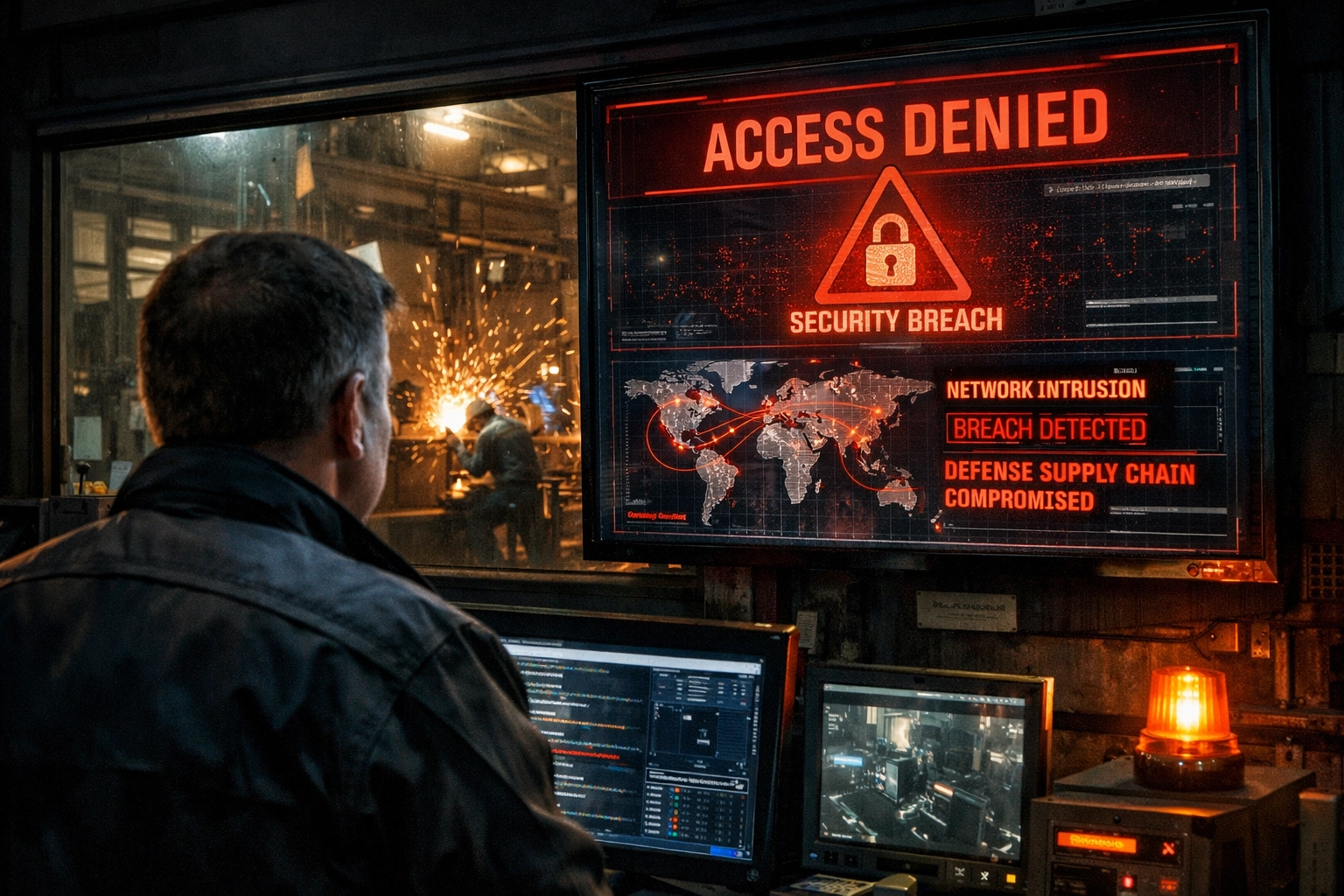
A Note of Reassurance (The Hug)
We know this is a lot. You started your business to build things, to innovate, and to support the defense of this country. You didn't start it to become a cybersecurity expert or a compliance officer.
The shift toward CMMC 2.0 can feel like a mountain of red tape designed to crush small machine shops. But here is the truth: these standards are making your business more resilient. By securing your shop, you are protecting your legacy, your employees' jobs, and the critical parts that keep our military moving.
You don't have to climb this mountain alone. There are resources in Connecticut specifically designed to help you, and there are partners like us who understand the specific pressures of the manufacturing industry. You’ve mastered the tolerances of aerospace engineering; you can master this, too.
Why Insure Connecticut LLC is Your Best Ally
When it comes to connecticut business insurance, specifically in the high-stakes world of defense manufacturing, you need more than a generic policy. You need a broker who understands the "shop floor" as well as the "server room."
We Are Local but Broad: Based in West Hartford, we live and work in the same community as you. However, we are licensed in 12 states, meaning we can support your growth as you expand your footprint.
We Are Independent: We don't work for one insurance company; we work for you. We shop the entire market to find the carrier that understands CMMC and manufacturing risks best.
AEO & SEO Expertise: We stay ahead of the curve so you don't have to. We understand the digital landscape your business lives in.
Unbiased Education: Our goal isn't just to sell a policy; it's to educate you so you can make the best decision for your shop's future.
Whether you need a review of your General Liability or a specialized Cyber policy that aligns with your CMMC goals, we have the expertise to guide you.

FAQ: CMMC and Cyber Insurance for CT Manufacturers
1. Does my General Liability insurance cover cyber attacks?
No. Standard General Liability policies almost always exclude cyber events. You need a standalone Cyber Liability policy to cover data breaches, ransomware, and business interruption.
2. If I am CMMC Level 2 certified, will my insurance premiums go down?
Likely, yes. Certification proves to an underwriter that you have implemented 110 rigorous security controls. This reduces the likelihood of a claim, which typically results in better pricing and more favorable terms.
3. Can I be sued by the DoD if I have a breach?
If the breach reveals that you were not following the CMMC controls you claimed to have in place, you could face legal action under the False Claims Act. This is a massive risk that requires specific "Regulatory Defense" coverage within your cyber policy.
4. What is the most important control for both insurance and CMMC?
Multi-Factor Authentication (MFA). If you do nothing else, implement MFA on everything, email, VPNs, and administrative logins. Without it, you are essentially uninsurable in 2026.
5. Does cyber insurance cover the cost of a CMMC audit?
Generally, no. The cost of achieving and maintaining compliance is considered a business expense. However, if a breach occurs, your insurance will cover the investigation into how it happened.
6. Do I need Cyber Insurance if I'm a sub-contractor for a large prime?
Yes. In fact, many prime contractors like Raytheon or Lockheed Martin are now making Cyber Insurance a requirement in their sub-contractor agreements, alongside CMMC compliance.
7. What happens if I can't afford both?
Look into the CCAT CAP grant. It is designed to offset the cost of compliance. By lowering your risk profile through compliance, you can often find more affordable insurance options. It is an investment that protects against a total business loss.
Conclusion: Securing Your Seat at the Table
The landscape of 2026 doesn't allow for shortcuts. CMMC 2.0 is the gatekeeper for your contracts, and cyber insurance is the guardian of your balance sheet. While they require different approaches, they both lead to the same result: a stronger, more resilient Connecticut manufacturing business.
Don't wait for a "Request for Proposal" (RFP) to realize you're missing a requirement, and don't wait for a "System Encrypted" screen to realize you're missing a policy.
Next Steps: Take a look at your current insurance stack. If you haven't discussed CMMC with your broker, or if your IT team hasn't seen your insurance application, it's time to bridge that gap.
Ready to align your protection with your precision?Contact Insure Connecticut today for a comprehensive review of your cyber readiness and a quote that respects the hard work you do on the shop floor. We're here to make sure your business stays as durable as the parts you manufacture.

Comments