.png)
Day 3: When Weather Breaks Your Budget – Real Stories from the Snow Belt
- W. Tom Polowy, MS

- Jan 13
- 5 min read
When Mother Nature Sends the Bill
Every municipal finance director in the snow belt has experienced that sinking feeling: watching weather forecasts turn increasingly ominous while mentally calculating the potential damage to their carefully planned budget. How do towns handle unexpected snowstorm costs? The answer varies dramatically, but the stories are remarkably similar across municipalities from Buffalo to Burlington, Milwaukee to Minneapolis.
The harsh reality is that a single severe winter storm can derail months of careful financial planning. While most municipalities budget for "normal" snow seasons based on historical averages, Mother Nature rarely consults municipal budgets before delivering her surprises.
The Blizzard of Broken Budgets: Real Municipal Stories
Case Study: Small Town, Big Storm
Consider the experience of a mid-sized Connecticut town of approximately 35,000 residents. Their 2023 winter maintenance budget was set at $485,000: a reasonable figure based on five-year historical averages. Then came the "surprise" storms.
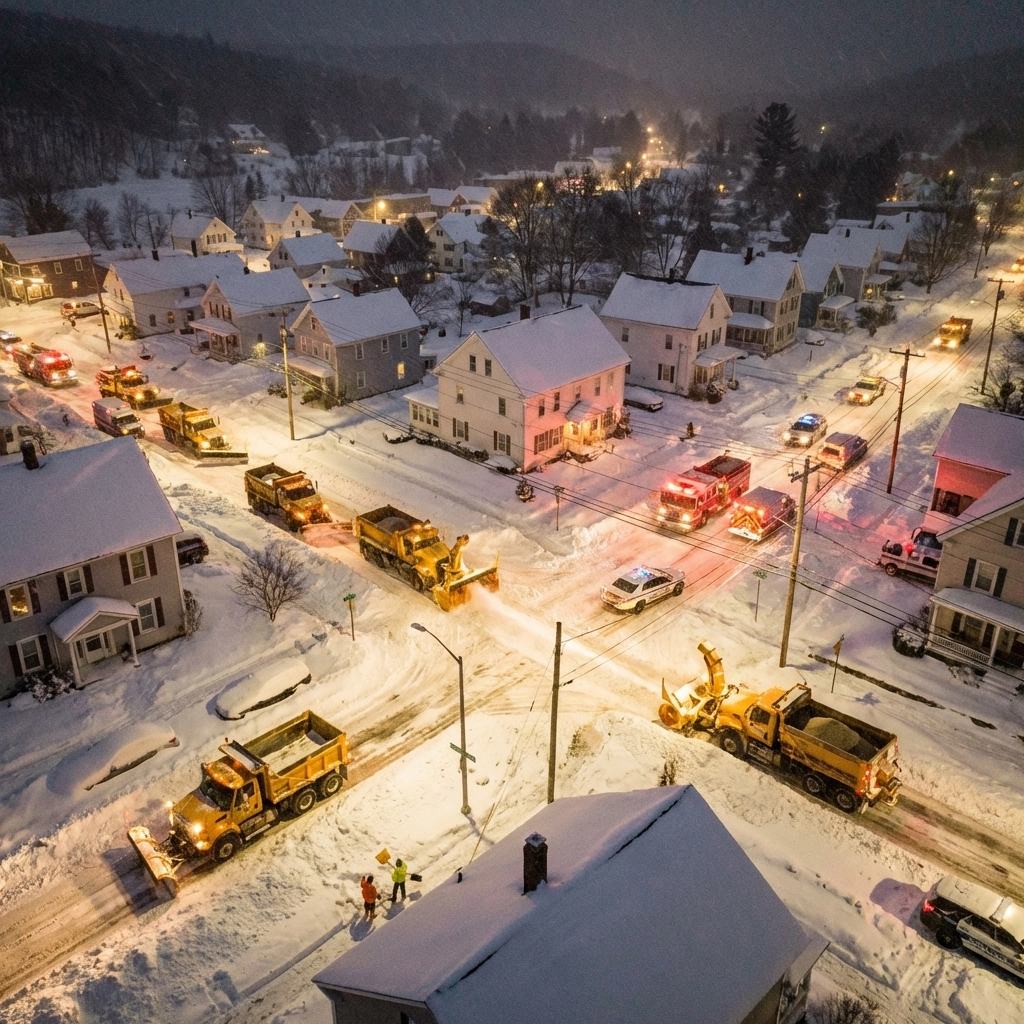
In January 2023, three back-to-back nor'easters dumped nearly four feet of snow in ten days. The town's snow removal costs for that single month exceeded $340,000: 70% of their entire winter budget consumed in just 10 days. How to avoid budget emergencies after a blizzard? This town learned the hard way that traditional budgeting methods leave municipalities vulnerable.
The emergency response required:
Overtime payments for public works crews working 16-hour shifts
Emergency contractor agreements at premium rates (often 200-300% above regular pricing)
Equipment rental when municipal plows broke down from overuse
Salt and sand purchases at inflated emergency pricing
Emergency repairs to damaged infrastructure from heavy snow loads
By February, the town faced a choice: stop snow removal services or raid other departmental budgets to cover the shortfall.
The Domino Effect: When One Storm Changes Everything
A New England city of 85,000 residents experienced their own budget catastrophe during the winter of 2022-2023. Their annual snow budget was $1.2 million. A single ice storm in December, followed by 36 inches of snow, created a perfect storm of expenses.
The ice storm knocked down trees and power lines, requiring emergency tree removal and debris cleanup: services not typically covered in snow budgets. When the heavy snow followed, the city discovered that many of their contracted snow removal vendors were already committed to other municipalities, forcing them into emergency agreements at significantly higher rates.
What happens when a city runs out of snow removal money? This city found out:
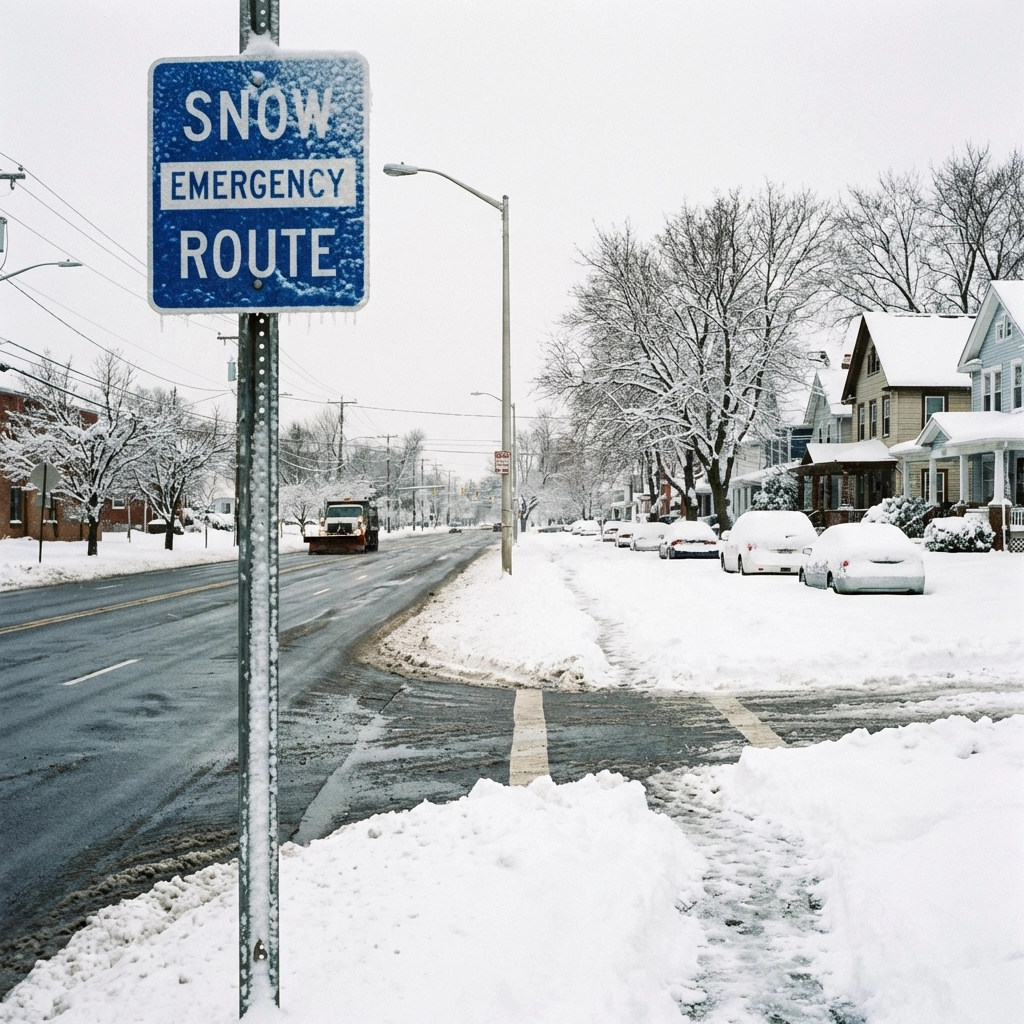
Service delays in residential neighborhoods (priority given to main roads and emergency routes)
Increased liability exposure from uncleared sidewalks and parking areas
Public safety concerns when ambulances and fire trucks couldn't access certain areas
Economic impacts as businesses struggled with customer access
Political pressure from residents demanding better service
The city ultimately spent $2.1 million on winter operations: 75% over budget: and had to implement an emergency tax to cover the shortfall.
The Anatomy of Municipal Snow Budget Disasters
Labor Costs That Spiral Out of Control
Municipal snow operations rely heavily on overtime labor. When storms hit during regular business hours, costs are manageable. But when weekend blizzards require around-the-clock operations, overtime multipliers create exponential cost increases.
A typical scenario:
Regular time: $35/hour for a public works employee
Weekend overtime: $52.50/hour (1.5x multiplier)
Holiday overtime: $70/hour (2x multiplier)
Emergency contractor rates: $85-120/hour
During a three-day weekend storm, a single employee's labor cost can increase by 200-300% compared to regular operations.
Equipment Failures Under Extreme Conditions
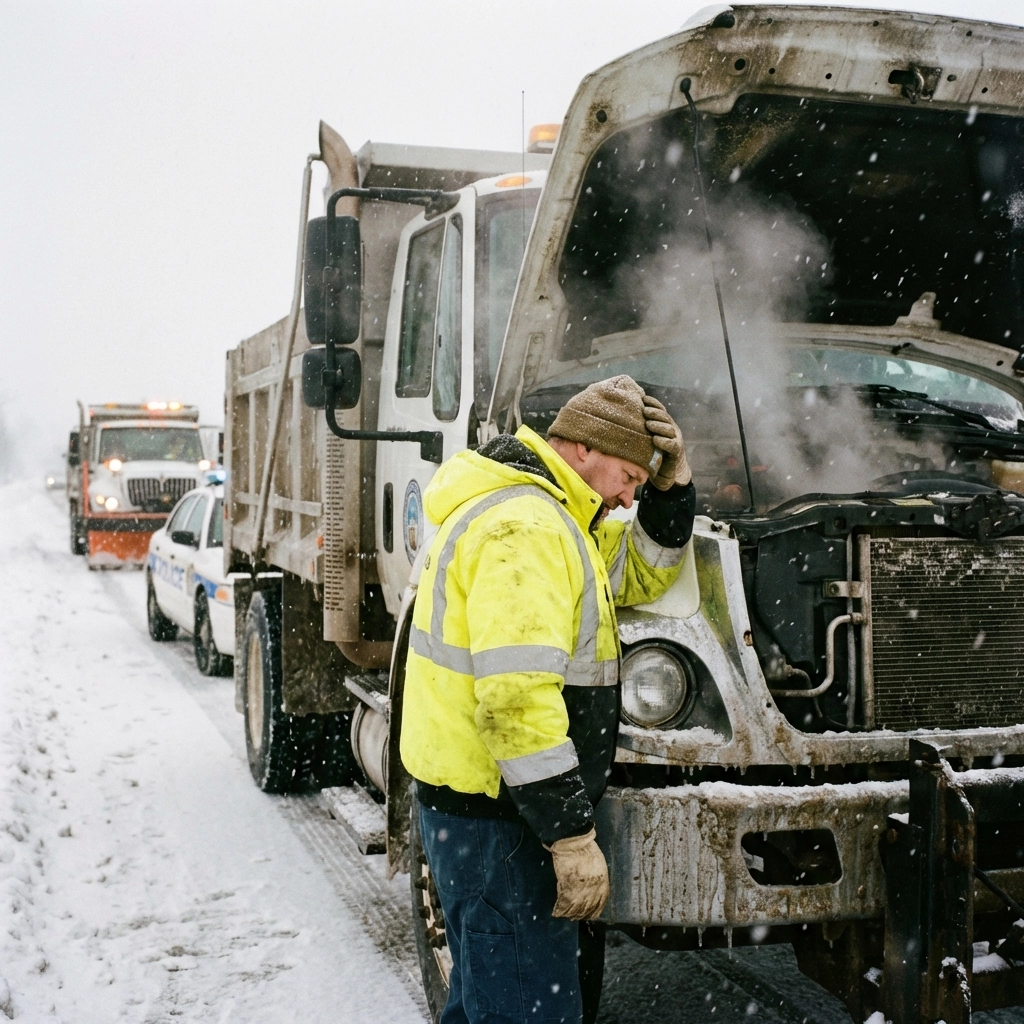
Why do snow removal costs spike unexpectedly during major storms? Equipment failures represent one of the largest unbudgeted expenses. Municipal snow plows work harder during severe weather, leading to:
Transmission failures from constant stop-and-go operations
Hydraulic system breakdowns from extreme cold and continuous use
Tire damage from road debris and extended operation
Engine problems from running equipment 24/7 in harsh conditions
Emergency equipment rental during active storms can cost 400-500% more than regular rental rates, as demand far exceeds supply.
Material Costs and Supply Chain Disruptions
Salt and sand prices fluctuate dramatically based on weather patterns across the region. During the winter of 2022-2023, many municipalities faced:
Salt shortages leading to premium pricing for emergency deliveries
Transportation delays as trucking companies prioritized higher-paying emergency contracts
Quality issues with emergency sand and salt mixtures
Storage challenges when normal suppliers couldn't meet demand
One Massachusetts town reported paying $180 per ton for emergency salt delivery: compared to their contracted rate of $68 per ton.
The Service Impact: When Budget Constraints Meet Public Expectations
Delayed Response Times
When municipal budgets get strained, service levels inevitably suffer. How do budget constraints affect municipal snow removal quality? The impacts are immediate and visible:
Priority-based service delays:
Main arterial roads receive first attention
Residential streets may wait 24-48 hours for service
Municipal parking areas and sidewalks get delayed treatment
Public facility access becomes limited
Reduced service frequency:
Single-pass plowing instead of multiple passes for thorough clearing
Longer intervals between salt/sand applications
Delayed storm cleanup and debris removal
Public Safety and Liability Concerns
Budget-driven service reductions create liability exposures for municipalities. When snow removal is delayed or inadequate:
Emergency vehicle access becomes compromised
School bus routes may require cancellations or delays
Slip and fall incidents increase on municipal property
Business district accessibility suffers, impacting local economy
Resident complaints and potential legal action multiply
Questions Every Municipal Finance Director Asks
"How can we predict the unpredictable?"
Traditional budgeting relies on historical averages, but climate variability makes these increasingly unreliable. Can municipalities budget effectively for extreme weather events? The challenge lies in preparing for outlier events without over-budgeting for normal years.
"What's the real cost of being unprepared?"
Beyond direct snow removal expenses, unprepared municipalities face:
Reputation damage from poor storm response
Increased insurance claims from weather-related incidents
Lost revenue from delayed business and tourism activity
Political consequences affecting municipal leadership
Legal liability from inadequate emergency response
"How do other municipalities handle budget overruns?"
Common strategies include:
Emergency borrowing against future tax revenues
Budget transfers from other departments (often affecting spring and summer projects)
Special assessments or emergency taxes
Service reductions in other areas
Delayed infrastructure projects to free up funds
The Traditional Insurance Gap
Standard municipal insurance policies typically don't address the fundamental problem: budget volatility from weather events. General liability coverage may help with property damage claims, but it doesn't solve cash flow problems when snow removal costs spiral out of control.
Why doesn't regular insurance help with snow removal budget overruns? Traditional insurance is designed for property damage and liability claims: not operational budget protection. This leaves a critical gap in municipal financial planning.
Looking Toward a Solution
The municipalities that weather these storms most successfully are those that move beyond traditional budgeting and insurance approaches. How can towns protect their budgets from weather surprises? The answer increasingly lies in parametric insurance solutions that trigger automatic payments based on measurable weather events: not after damage assessment and claims processing.
Unlike traditional insurance, parametric coverage provides immediate cash flow when specific weather conditions occur, helping municipalities maintain service levels and avoid budget emergencies.
Municipal leaders across the snow belt are discovering that budget certainty is worth the investment in innovative risk management solutions. When storms hit, they need resources immediately: not months later after claims processing.
At Insure Connecticut LLC, we help municipalities understand how parametric insurance can provide the budget predictability they need to serve their communities effectively, regardless of what Mother Nature delivers.
Ready to explore how parametric insurance can protect your municipal budget from weather surprises? Contact us at 860-440-7324 to discuss solutions tailored for your community's needs.
Coming Tomorrow: Day 4 will explore why traditional insurance approaches fall short for municipal snow budget protection, and what questions you should ask your current insurance providers about weather-related operational risks.


Comments