.png)
Day 4: Why Traditional Insurance Doesn't Fix Municipal Snow Problems

Every winter, municipal finance directors across snowy regions ask the same frustrated questions: "Can traditional insurance help with snow-related costs?" and "Why doesn't my policy pay faster for snow emergencies?" The disappointing answer is that conventional insurance policies, while valuable for many municipal needs, simply weren't designed to solve the unique challenges that snow events create for city and town budgets.
The False Promise of Traditional Coverage
Many municipal leaders assume their general liability and property insurance policies will provide meaningful financial relief when severe winter weather strikes. This misconception costs cities and towns thousands of dollars in unplanned expenses every year.
Traditional insurance operates on a damage-first model. Your municipality must first experience covered damage, file a claim, wait for an adjuster, provide extensive documentation, and then hope for approval, all while continuing to pay mounting snow removal costs out of pocket. By the time any payout arrives (if it arrives), your winter budget may already be decimated.

Why Standard Municipal Insurance Falls Short for Snow Events
The Claims Process Creates Cash Flow Nightmares
How long does it take to get paid from traditional insurance after a snow emergency? The answer varies dramatically, but municipal leaders report waiting anywhere from 30 days to six months for claim resolution. During this period, your department still needs to:
Pay overtime wages for around-the-clock snow crews
Purchase emergency salt and sand supplies at premium pricing
Cover equipment repairs from harsh winter conditions
Reimburse contractors for emergency plowing services
Handle increased liability claims from snow-related incidents
Your cash flow suffers while insurance companies conduct their lengthy investigation and approval processes.
Coverage Gaps Leave Municipalities Exposed
Traditional policies contain numerous exclusions that municipalities often discover too late. What snow-related expenses aren't covered by standard municipal insurance?
Common exclusions include:
Preventive snow removal operations (only damage-based coverage)
Increased operational costs during extended storm periods
Premium pricing for emergency salt and contractor services
Overtime labor costs beyond normal coverage limits
Equipment wear and tear from excessive use during severe winters
Many municipal leaders are shocked to learn their policies won't cover the operational costs that actually break their snow budgets.
Documentation Requirements Create Administrative Burden
Traditional insurance claims require exhaustive documentation that diverts municipal staff from actual snow response operations. Why is filing snow-related insurance claims so complicated for cities and towns?
Your team must provide:
Detailed damage assessments with photographic evidence
Weather service reports correlating damage to specific storm events
Contractor invoices with justification for emergency pricing
Overtime documentation linking costs to covered incidents
Equipment inspection reports proving storm-related damage
This paperwork burden often costs more in staff time than the eventual payout justifies.

The Uncertainty Problem: When Will You Get Paid?
Can municipalities count on traditional insurance payouts for budget planning? Absolutely not. Traditional claims create three types of uncertainty that make budget management nearly impossible:
Timeline Uncertainty
You never know when (or if) your claim will be approved. Some municipalities receive payouts within 30 days, while others wait months for resolution. This unpredictability makes it impossible to plan cash flow during expensive winter operations.
Amount Uncertainty
Even approved claims often pay less than expected due to deductibles, depreciation calculations, and coverage limit interpretations. A $50,000 snow removal expense might result in a $15,000 payout after adjusters apply various reductions.
Coverage Uncertainty
Policy language is often ambiguous about what constitutes a "covered event" for snow-related expenses. Municipalities frequently discover their interpretation of coverage differs significantly from their insurance company's interpretation.
Common Municipal Misconceptions About Snow Insurance
Misconception 1: "Our Property Policy Covers Snow Operations"
Reality: Property insurance typically covers damage TO property, not operational costs FOR snow removal. Your building damage from ice dams might be covered, but the $100,000 you spent clearing streets during a blizzard probably isn't.
Misconception 2: "General Liability Will Handle Snow-Related Claims"
Reality: Liability coverage protects against claims from others, not your own operational expenses. If a resident sues over inadequate snow removal, that's potentially covered. Your snow removal costs aren't.
Misconception 3: "We Can File Claims for Any Severe Weather Event"
Reality: Most policies require specific damage thresholds or officially declared disasters to trigger coverage. A costly but manageable snow event often doesn't qualify, leaving municipalities to absorb all expenses.
The Adjuster Delay Problem
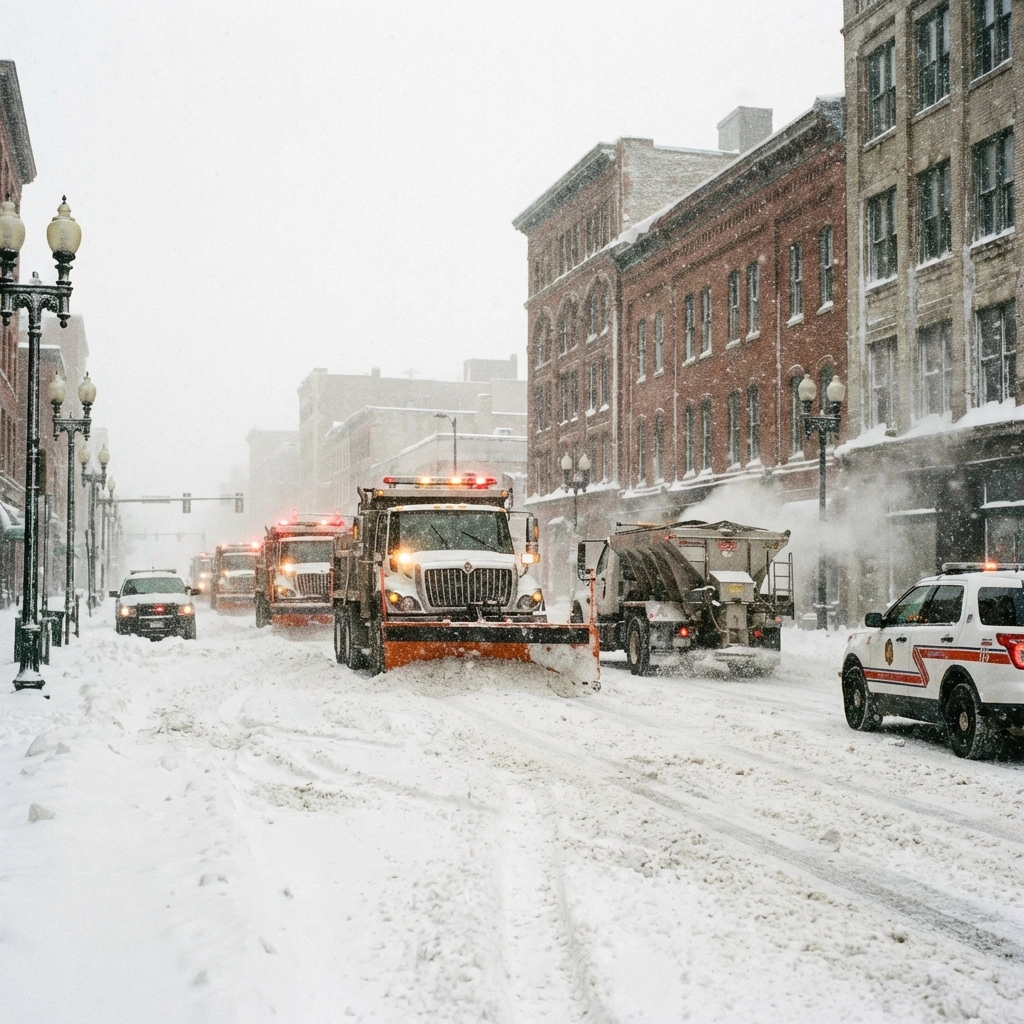
Why don't traditional insurance policies pay faster for snow emergencies? The answer lies in how conventional insurance operates. Every claim requires human judgment calls about:
Whether the damage qualifies under policy terms
If the municipality followed proper procedures
How much of the expense directly relates to the covered event
What portion falls under deductibles or exclusions
These determinations take time, especially during widespread storm events when adjusters are overwhelmed with claims from multiple municipalities simultaneously. Your urgent cash flow needs don't accelerate their timeline.
How Traditional Insurance Perpetuates Budget Problems
Instead of solving municipal snow budget challenges, traditional insurance often makes them worse by creating false expectations. How does waiting for insurance claims affect municipal snow budgets?
The cycle looks like this:
Severe weather event strains your snow removal budget
Finance department expects insurance reimbursement to restore balance
Claim filing and processing delays create extended budget uncertainty
Other municipal services may be cut to maintain cash flow
Payout (if any) arrives months later, too late to prevent budget disruption
This reactive approach keeps municipalities in constant financial uncertainty during winter months.
The Administrative Cost Hidden Problem
Many municipalities don't calculate the true cost of filing traditional insurance claims. What hidden costs do cities face when filing snow-related insurance claims?
Hidden expenses include:
Staff time diverted from core municipal services
Professional documentation and assessment fees
Legal consultation for disputed claims
Extended financial uncertainty affecting other budget decisions
Opportunity costs from delayed or denied payouts
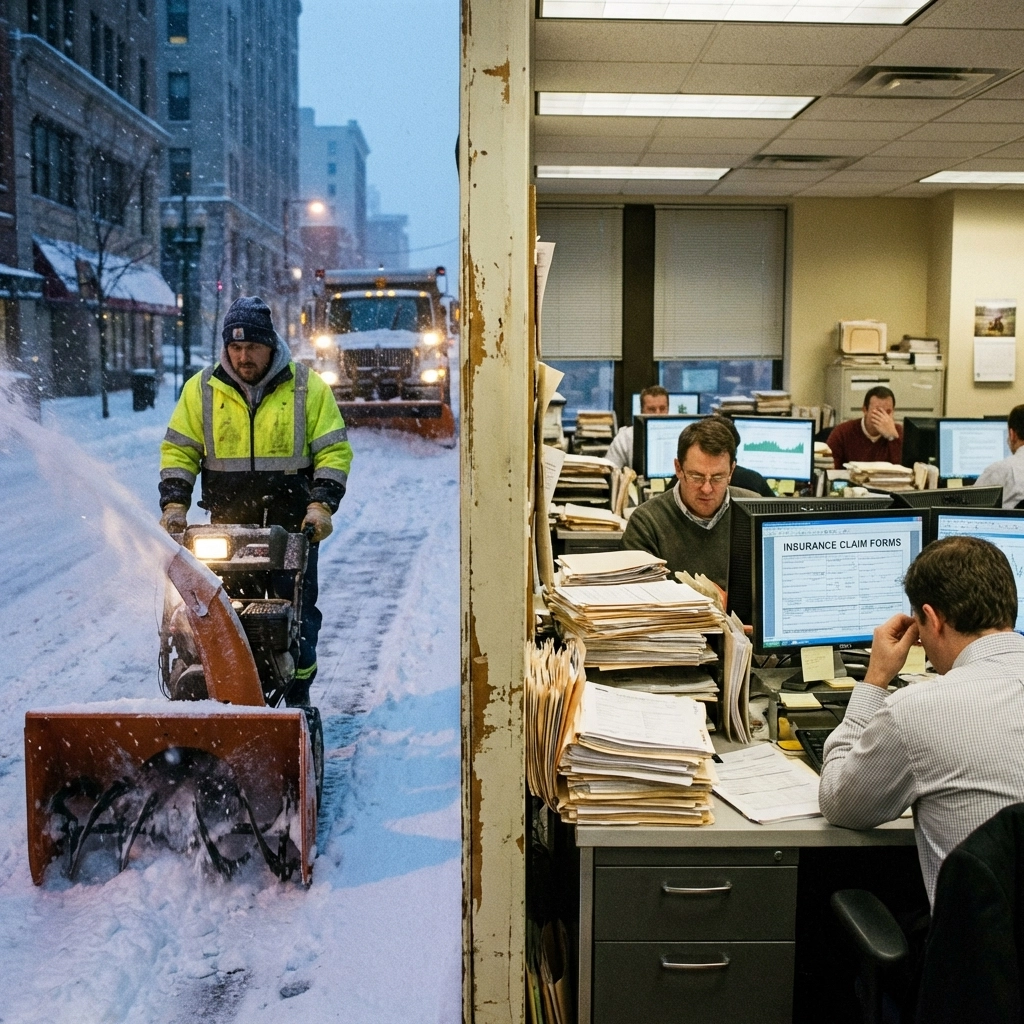
Some municipalities spend more on claim administration than they recover in payouts, creating a net loss from their insurance investment.
Why Parametric Insurance Changes Everything
Can parametric insurance solve municipal snow budget problems that traditional policies can't? Yes, because it operates on completely different principles designed specifically for budget predictability.
Instead of waiting for damage assessment, parametric policies:
Trigger automatic payouts based on measurable weather data
Eliminate lengthy claims processes and adjuster delays
Provide predetermined payment amounts within days of qualifying events
Cover operational costs, not just property damage
Create budget certainty through transparent trigger mechanisms
The Bottom Line for Municipal Leaders
Traditional insurance serves important purposes for municipalities, but snow budget management isn't one of them. How can cities better protect themselves from snow-related financial strain? The answer requires moving beyond damage-based coverage to weather-triggered financial protection.
Your municipality needs a solution that provides:
Immediate cash flow during expensive snow events
Predictable payout amounts for budget planning
Coverage for actual operational costs
Minimal administrative burden during crisis response
Ready to explore how parametric insurance can stabilize your municipal snow budget? Contact Insure Connecticut LLC to learn how weather-triggered coverage can provide the budget certainty traditional insurance can't deliver.
Tomorrow, we'll dive into exactly how parametric insurance works and why municipalities across snowy regions are making the switch to weather-based financial protection.
Comments