.png)
Day 5: Enter Parametric Insurance – The Smarter Way to Budget for Snow
- W. Tom Polowy, MS

- Jan 15
- 5 min read
What Is Parametric Insurance for Municipalities?
If you've been following our series this week, you've seen how unpredictable snow events can wreak havoc on municipal budgets. Traditional insurance often falls short, leaving cities and towns scrambling for emergency funds when winter storms exceed expectations. But there's a game-changing solution that's transforming how forward-thinking municipalities approach snow budget planning: parametric insurance.
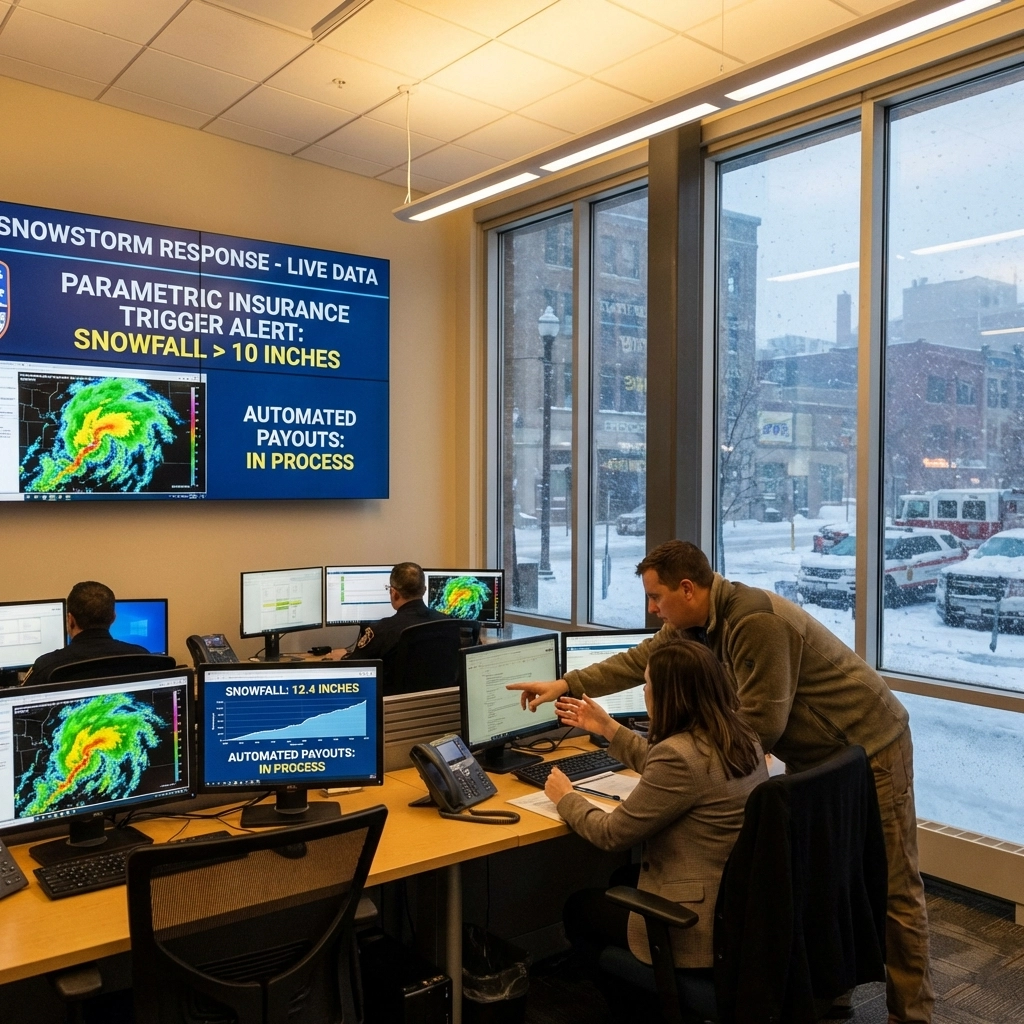
Parametric insurance represents a fundamental shift from traditional coverage. Instead of waiting months for damage assessments and claims processing, parametric insurance pays out automatically when specific, measurable weather events occur: like snowfall reaching predetermined thresholds. No damage inspections, no lengthy documentation, no disputes about coverage. Just fast, reliable funding when you need it most.
How Does Parametric Snow Insurance Actually Work?
The beauty of parametric insurance lies in its simplicity and transparency. Here's how it works for snow management:
Setting Your Triggers Before winter arrives, your municipality works with insurance professionals to establish specific snowfall triggers and corresponding payout amounts. These triggers are based on objective, independently verifiable weather data from trusted sources like the National Weather Service.
For example, a mid-sized Connecticut city might structure their parametric snow policy like this:
Snowfall in 72 Hours | Automatic Payout |
0-15 inches | $0 |
16-24 inches | $250,000 |
25-35 inches | $500,000 |
36+ inches | $750,000 |
Automatic Activation When a snowstorm meets or exceeds your defined threshold, the insurance company validates the weather data and issues payment: typically within 10 to 30 days. No adjusters, no damage assessments, no paperwork headaches.
Immediate Budget Relief Your municipality receives predetermined funds that can be deployed immediately for overtime labor, additional equipment rentals, emergency salt purchases, contractor services, or any other snow-related expenses that exceed your normal budget.
How Can Parametric Coverage Improve Snow Budgeting?
The traditional approach to municipal snow budgeting creates several challenges that parametric insurance directly addresses:
Budget Certainty and Planning Traditional budgeting forces municipalities to guess at winter severity and either underfund (risking budget overruns) or overfund (tying up resources unnecessarily). Parametric insurance provides known payout amounts tied to specific weather events, enabling more accurate fiscal planning.
You can budget your base snow removal costs confidently, knowing that parametric coverage will provide additional funding when weather exceeds normal parameters. This creates a more stable, predictable budgeting framework.
Rapid Liquidity When You Need It Most The biggest advantage of parametric insurance is speed. While traditional insurance claims can take months to resolve, parametric payouts arrive when you need them most: during and immediately after severe weather events.
This rapid liquidity means you can:
Authorize necessary overtime without budget concerns
Rent additional equipment during peak demand periods
Purchase emergency supplies at current market prices
Maintain essential services without compromising other municipal functions
No Disputes or Coverage Gaps Traditional insurance often involves disputes about coverage scope, damage causation, or appropriate reimbursement levels. Parametric insurance eliminates these uncertainties because payouts are based solely on independently verified weather data.
If the snow depth reaches your trigger threshold, you receive your payout. Period.
Real-World Success: How Parametric Insurance Transformed Municipal Snow Management
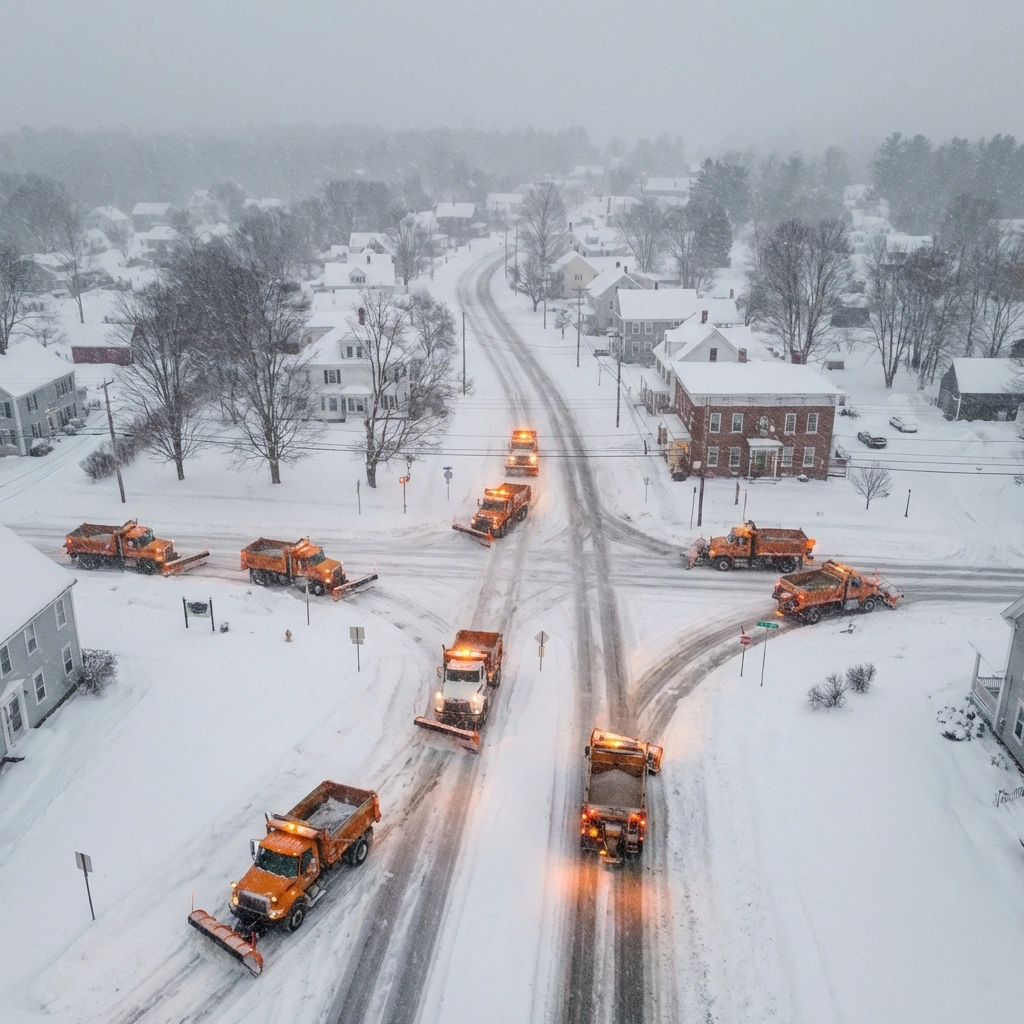
Consider the experience of a Vermont town similar in size to many Connecticut municipalities. Facing recurring budget crises from unpredictable winter storms, the town implemented a parametric snow insurance policy three years ago.
The Challenge The town typically budgeted $400,000 annually for snow removal but found themselves exceeding this budget by 30-50% during severe winters. Emergency budget allocations disrupted other municipal projects and created ongoing financial stress.
The Parametric Solution Working with their insurance broker, the town established a parametric policy with triggers at 20, 30, and 40 inches of snowfall in any 72-hour period, with payouts of $150,000, $300,000, and $500,000 respectively.
The Results Over three winters:
Year 1: Two trigger events provided $450,000 in rapid payouts, covering all excess snow removal costs
Year 2: One major storm triggered a $300,000 payout, fully offsetting budget overruns
Year 3: No triggers activated, but the town maintained budget confidence throughout winter
The finance director noted, "Parametric insurance gave us budget predictability we never had before. We can plan other municipal projects with confidence, knowing our snow budget won't derail everything else."
Is Parametric Insurance Right for Your Municipality?
Several factors determine whether parametric snow insurance makes sense for your municipality:
Geographic Considerations Parametric insurance works best for municipalities in regions with variable snowfall patterns where traditional budgeting proves challenging. Connecticut's variable winter weather: from coastal areas receiving moderate snow to inland regions facing lake-effect storms: creates ideal conditions for parametric solutions.
Budget Volatility Assessment Review your snow removal costs over the past five years. If you regularly exceed budgets by 25% or more during severe winters, parametric insurance likely offers significant value.
Risk Tolerance Evaluation Municipalities comfortable with known insurance premiums in exchange for budget certainty benefit most from parametric coverage. If your organization prefers predictable costs over uncertain budget overruns, parametric insurance aligns with your risk management philosophy.
Current Insurance Review Examine your existing municipal insurance portfolio. Parametric snow coverage often complements traditional property and liability coverage rather than replacing it, creating a comprehensive risk management approach.

What Questions Should Municipalities Ask About Parametric Coverage?
When evaluating parametric snow insurance, municipal leaders should consider:
How are trigger thresholds determined? Work with experienced insurance professionals who understand local weather patterns and can help establish appropriate triggers based on historical snowfall data and your municipality's operational capacity.
What weather data sources are used? Ensure your policy uses reliable, independently verified weather data from recognized sources like the National Weather Service or certified weather monitoring stations.
How quickly do payouts occur? Understand the exact timeline from trigger event to payout. Most parametric policies provide funds within 10-30 days, but specific timelines vary.
Can coverage be customized for our specific needs? Parametric policies should reflect your municipality's unique circumstances, including budget constraints, operational capacity, and regional weather patterns.
How does parametric coverage integrate with existing insurance? Parametric insurance typically complements rather than replaces traditional municipal insurance coverage, creating a comprehensive risk management strategy.
Implementation Considerations for Municipal Leaders
Successfully implementing parametric snow insurance requires thoughtful planning:
Data Collection and Analysis Gather historical snowfall data for your area, including frequency and severity of major snow events. This information helps establish appropriate trigger thresholds and coverage amounts.
Budget Impact Assessment Calculate the total cost of parametric premiums against potential budget savings from reduced snow removal volatility. Factor in the value of budget predictability for overall municipal planning.
Stakeholder Communication Explain parametric insurance concepts to city council members, finance committees, and department heads who may be unfamiliar with this innovative coverage approach.
Integration Planning Consider how parametric payouts integrate with existing budget processes, accounting procedures, and emergency response protocols.
The Future of Municipal Risk Management
Parametric insurance represents a significant evolution in municipal risk management, offering tools that traditional insurance cannot provide. As climate patterns become more unpredictable and municipal budgets face increasing scrutiny, parametric solutions offer the budget certainty and rapid response capabilities that modern municipal management requires.
For Connecticut municipalities dealing with variable winter weather patterns, parametric snow insurance provides a pathway to more stable, predictable budgeting while ensuring adequate resources for public safety and service continuity during severe weather events.
Take the Next Step Toward Budget Certainty
Ready to explore how parametric insurance can transform your municipality's approach to snow budget management? The experienced team at Insure Connecticut LLC specializes in innovative insurance solutions for municipal clients throughout Connecticut and surrounding states.
Our insurance professionals understand the unique challenges facing municipal leaders and can help you evaluate whether parametric snow coverage aligns with your community's risk management objectives and budget constraints.
Contact Insure Connecticut LLC today at 860-440-7324 to schedule a consultation about parametric insurance solutions for your municipality. Let us help you move from reactive budget management to proactive risk planning with coverage that works when you need it most.
Tomorrow, we'll explore specific budgeting benefits and success stories from municipalities that have implemented parametric snow insurance. You'll discover how this innovative coverage creates lasting improvements in fiscal planning and operational confidence.

Comments