.png)
Day 5: What Does Commercial Auto Insurance Cover? (And What's Not Included)
- W. Tom Polowy, MS

- Jan 6
- 6 min read
If you put business vehicles on the road in Connecticut, cost is always in the driver’s seat. Premiums, deductibles, repairs, downtime, and legal exposure all roll up into your total cost of risk. The most reliable way to control that cost is to understand exactly what your commercial auto policy does—and doesn’t—cover. Commercial auto isn’t just a bigger version of personal auto; it’s built differently, with higher stakes and more moving parts.
When you know how coverage works, you can make smart tradeoffs that fit your budget without creating costly gaps. Selecting the right liability limits, setting deductibles you can actually afford, and spotting exclusions before they bite can be the difference between a manageable claim and a six‑figure hit to cash flow. Clarity now prevents expensive surprises later.
Today, you’ll get the nuts and bolts—what’s covered, what’s excluded, and the Connecticut specifics that matter. Tomorrow, we’ll connect these choices to business value: how the right structure reduces your total cost of risk, protects margins, and supports growth.
The Foundation: Liability Coverage
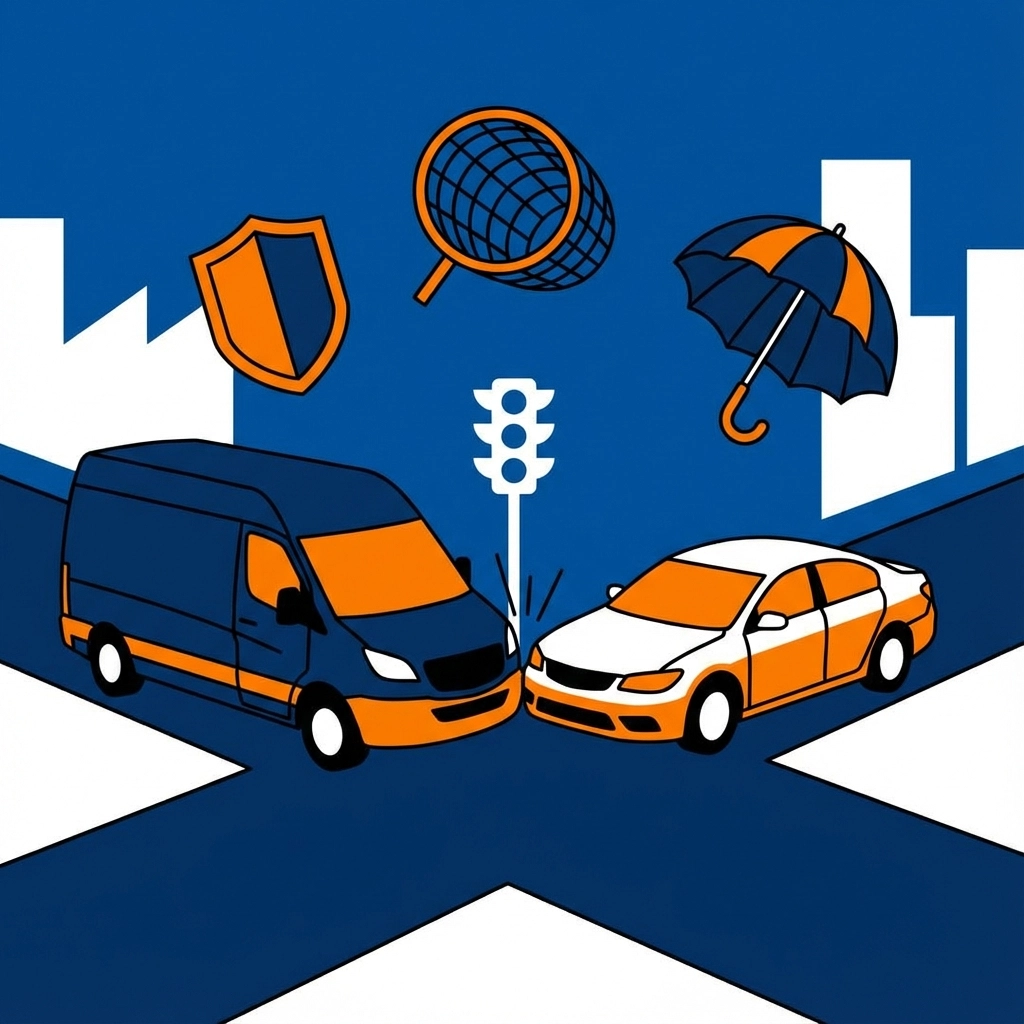
Commercial auto liability coverage forms the backbone of your policy. This protection kicks in when your business vehicle causes an accident that injures someone or damages their property.
Bodily Injury Liability covers medical expenses, rehabilitation costs, lost wages, and even wrongful death claims when your vehicle injures someone else. In Connecticut, minimum liability limits are $25,000 per person and $50,000 per accident for bodily injury, but these amounts are dangerously low for business use. Most commercial policies carry much higher limits: typically $1 million or more.
Property Damage Liability pays for damage your vehicle causes to other people's cars, buildings, fences, or other property. Connecticut requires minimum property damage coverage of $25,000, but again, this won't go far if your delivery truck crashes into a storefront or damages multiple vehicles.
Here's what many business owners don't realize: liability coverage also includes legal defense costs. If someone sues your business after an accident, your insurance company provides attorneys and covers court costs, which can easily reach tens of thousands of dollars even for minor claims.
Physical Damage Protection
While liability coverage protects others, physical damage coverage protects your own vehicles. This includes two main components:
Collision Coverage pays for repairs or replacement when your vehicle hits another object or rolls over. This covers accidents with other vehicles, collisions with buildings or trees, and single-vehicle accidents. The coverage applies regardless of who's at fault.
Comprehensive Coverage protects against non-collision damages like theft, vandalism, fire, flood, hail, or hitting an animal. For Connecticut businesses, comprehensive coverage is particularly important given our severe weather patterns and increasing incidents of vehicle theft.
Both collision and comprehensive coverage come with deductibles: the amount you pay out of pocket before insurance kicks in. Higher deductibles lower your premiums, but make sure you can afford the deductible amount if multiple vehicles are damaged simultaneously.
Medical and Personal Injury Coverage
Medical Payments Coverage pays for medical expenses for you, your employees, and passengers injured in your vehicles, regardless of who caused the accident. This coverage provides immediate payment for hospital bills, ambulance services, and emergency treatment without waiting for fault determination.
Personal Injury Protection (PIP) goes beyond basic medical payments to include lost wages, essential services (like childcare), and rehabilitation costs. Connecticut requires PIP coverage for personal vehicles, and it's equally important for commercial use. PIP covers a percentage of lost wages: typically 75%: which helps injured employees maintain financial stability while recovering.
Uninsured and Underinsured Motorist Protection
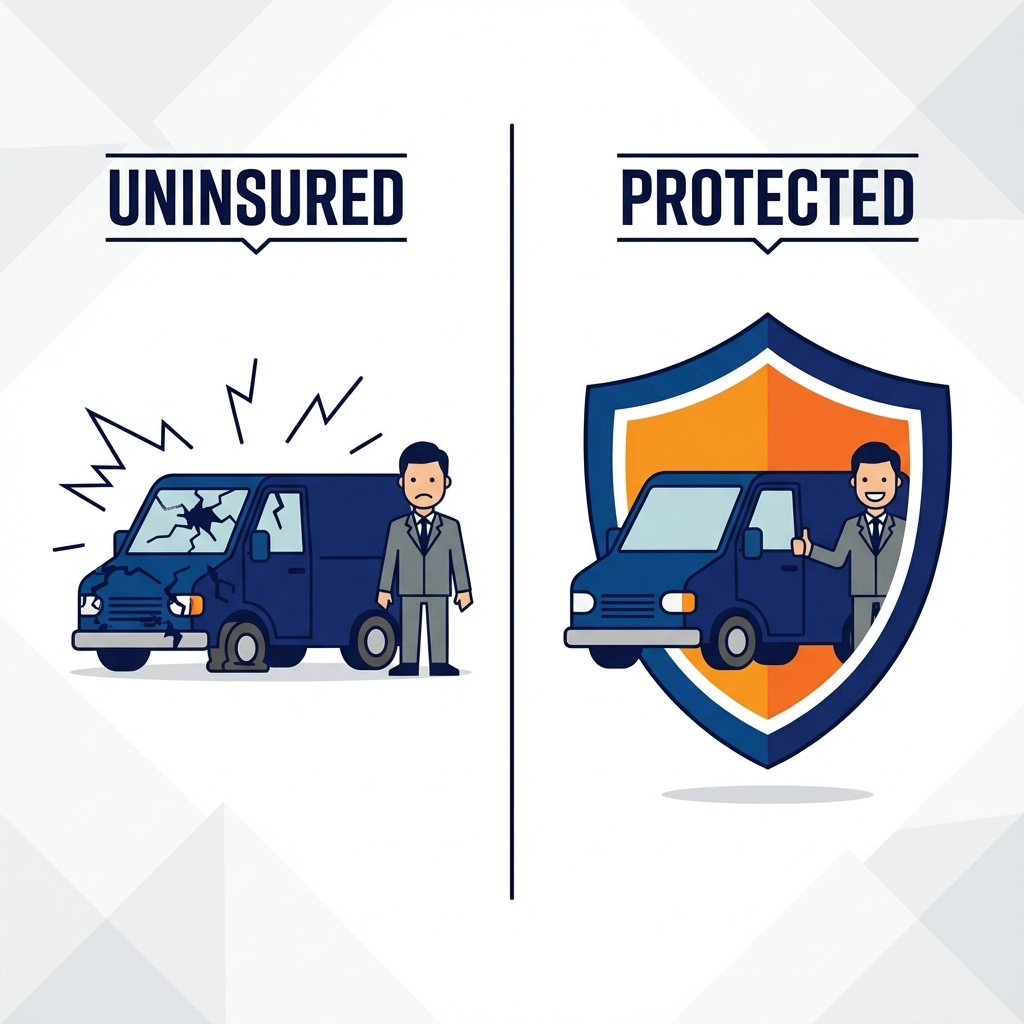
Connecticut has thousands of drivers operating without insurance or carrying minimal coverage. Uninsured Motorist Coverage protects you when an at-fault driver has no insurance, while Underinsured Motorist Coverage kicks in when their policy limits aren't enough to cover your damages.
This coverage protects both vehicle damage and medical expenses for you and your employees. Given that roughly 12% of Connecticut drivers are uninsured, this protection is crucial for business vehicles that spend significant time on the road.
Hired and Non-Owned Vehicle Coverage
Many Connecticut business owners don't realize their commercial auto policy can extend beyond company-owned vehicles:
Hired Vehicle Coverage protects your business when you rent or lease vehicles for business purposes. This includes rental cars for business trips, temporary vehicle rentals when your fleet is being serviced, or specialized equipment rentals.
Non-Owned Vehicle Coverage provides liability protection when employees use their personal vehicles for business purposes. If an employee runs a business errand in their own car and causes an accident, this coverage protects your business from liability claims.
What Commercial Auto Insurance Doesn't Cover
Understanding exclusions is just as important as knowing what's covered. Here are the major gaps in commercial auto coverage:
Personal Use Exclusions: Most commercial policies exclude coverage when employees use company vehicles for personal errands or commuting, unless specifically covered by the policy. A delivery driver stopping at the grocery store on the way home might not be covered if an accident occurs.
Intentional Acts: Coverage doesn't apply if the driver intentionally causes damage or injury. Road rage incidents or deliberate property damage won't be covered.
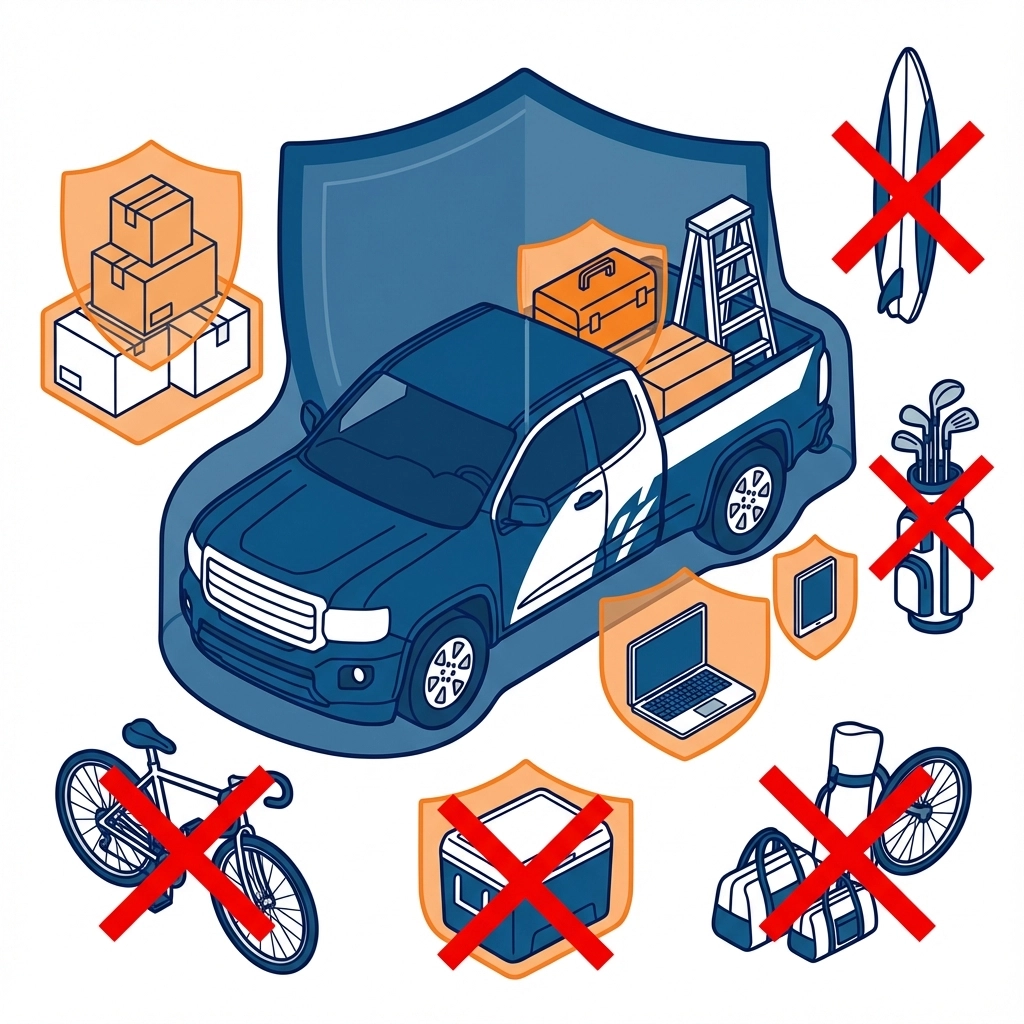
Business Property in Vehicles: Standard commercial auto policies don't cover business equipment, tools, or inventory stored in vehicles. A contractor's tools stolen from a work truck typically aren't covered under the auto policy: you need inland marine or commercial property coverage.
Mechanical Breakdown: Commercial auto insurance doesn't cover normal wear and tear, mechanical failures, or maintenance issues. If your engine fails, that's a business expense, not an insurance claim.
Criminal Activity: Coverage is excluded if the vehicle is used in criminal activities or if the driver is under the influence of drugs or alcohol.
Racing or Competition: Any form of racing, speed contests, or competitive driving events are excluded from coverage.
Key Differences from Personal Auto Insurance
Commercial auto policies differ significantly from personal coverage in several important ways:
Higher Liability Limits: Business use typically requires much higher liability limits due to increased exposure and potential for larger claims.
Employee Coverage: Commercial policies automatically cover any employee authorized to drive company vehicles, while personal policies typically restrict coverage to named drivers.
Business Use: Commercial policies cover vehicles used for business purposes, deliveries, carrying business equipment, or transporting clients: activities excluded from personal policies.
Fleet Discounts: Businesses with multiple vehicles often qualify for fleet pricing and can manage all vehicles under one policy.
Connecticut-Specific Considerations
Connecticut law requires specific minimum coverage amounts, but these minimums are inadequate for most business operations. The state also has unique regulations around PIP coverage and uninsured motorist protection that affect commercial policies.
Connecticut's weather patterns create additional risks. Heavy snow, ice storms, and flooding are common, making comprehensive coverage essential. The state's high traffic density also increases accident probability, particularly in the Hartford and New Haven areas where many Connecticut businesses operate.
For business insurance Connecticut companies, working with a local agent familiar with state requirements and regional risks is crucial. Connecticut-specific factors like seasonal weather patterns, traffic congestion areas, and local court tendencies in liability cases all influence coverage decisions.
Optional Coverage Enhancements
Smart Connecticut business owners often add these optional coverages:
Gap Coverage: Pays the difference between your vehicle's actual cash value and what you still owe on a loan or lease if the vehicle is totaled.
New Vehicle Replacement: Replaces a totaled vehicle with a brand-new model rather than paying actual cash value.
Rental Reimbursement: Covers rental vehicle costs while your business vehicle is being repaired.
Emergency Roadside Assistance: Provides 24/7 towing, jump-starts, flat tire service, and lockout assistance.
Making Smart Coverage Decisions
When evaluating business insurance CT options, consider these factors:
Your industry and vehicle use patterns determine appropriate coverage levels. A landscaping company faces different risks than a consulting firm using vehicles for client meetings.
Calculate potential loss exposure by considering worst-case scenarios. What would happen if your most expensive vehicle caused a serious multi-car accident? Your liability limits should reflect this potential exposure.
Review your coverage annually as your business grows and evolves. Adding new vehicles, changing business operations, or expanding into new areas all affect your insurance needs.
Working with Professional Guidance
Commercial auto insurance complexity makes professional guidance invaluable. An experienced agent can help you understand coverage options, identify gaps in protection, and structure policies that protect your business without overpaying for unnecessary coverage.
At Insure Connecticut LLC, we specialize in helping Connecticut businesses navigate commercial insurance decisions. Our local expertise means we understand the unique challenges facing businesses in our state, from weather-related risks to regulatory requirements.
The right commercial auto insurance provides more than just legal compliance: it provides peace of mind that your business can continue operating even after unexpected accidents or losses. Taking time to understand your coverage options and working with knowledgeable professionals ensures your business stays protected on Connecticut's roads.
Contact our team to review your current commercial auto coverage and ensure you have the protection your business needs to thrive in Connecticut's competitive marketplace.


Comments