.png)
Day 6: Budgeting with Confidence – The Municipal Benefits of Parametric Insurance
- W. Tom Polowy, MS

- Jan 16
- 5 min read
How Can Towns Reduce Snow Budget Volatility While Improving Financial Planning?
Municipal finance officers across snowy regions know the drill: every winter brings budgeting anxiety. Will this be a mild season that leaves snow removal funds untouched, or will back-to-back blizzards drain reserves and force emergency borrowing? Traditional approaches to winter weather planning often leave municipalities reactive rather than proactive.
Parametric insurance is changing that dynamic entirely. Instead of hoping for the best and preparing for budget overruns, cities and towns can now build predictable winter weather protection directly into their annual planning process.
The Financial Stability Revolution: Predictable Payouts Transform Municipal Planning
Budget Certainty Replaces Guesswork
Traditional municipal snow budgeting relies heavily on historical averages and crossing fingers. Parametric insurance flips this uncertainty on its head by providing predetermined payouts when specific weather thresholds are met. When snowfall exceeds 24 inches in a 48-hour period, for example, your municipality receives an automatic payment: no claims adjusters, no waiting, no uncertainty.
Consider the town of Millbrook, Connecticut, which implemented parametric snow coverage three years ago. Their finance director, Sarah Chen, reports: "Before parametric insurance, we'd budget $180,000 for winter operations and inevitably face either a $50,000 surplus or a $75,000 emergency appropriation request. Now we have a baseline budget plus guaranteed coverage when severe events occur. It's transformed our winter financial planning."
Reduced Fiscal Shock Protects Essential Services
Municipal budgets operate within tight constraints. When a surprise March blizzard hits and depletes snow removal funds, the money has to come from somewhere: often at the expense of other essential services or community programs. Parametric insurance creates a financial buffer that protects these competing priorities.
The rapid payout structure means municipalities can maintain planned spending on parks, library programs, or infrastructure projects without emergency budget shuffling. This stability extends beyond just snow removal into broader municipal financial health.
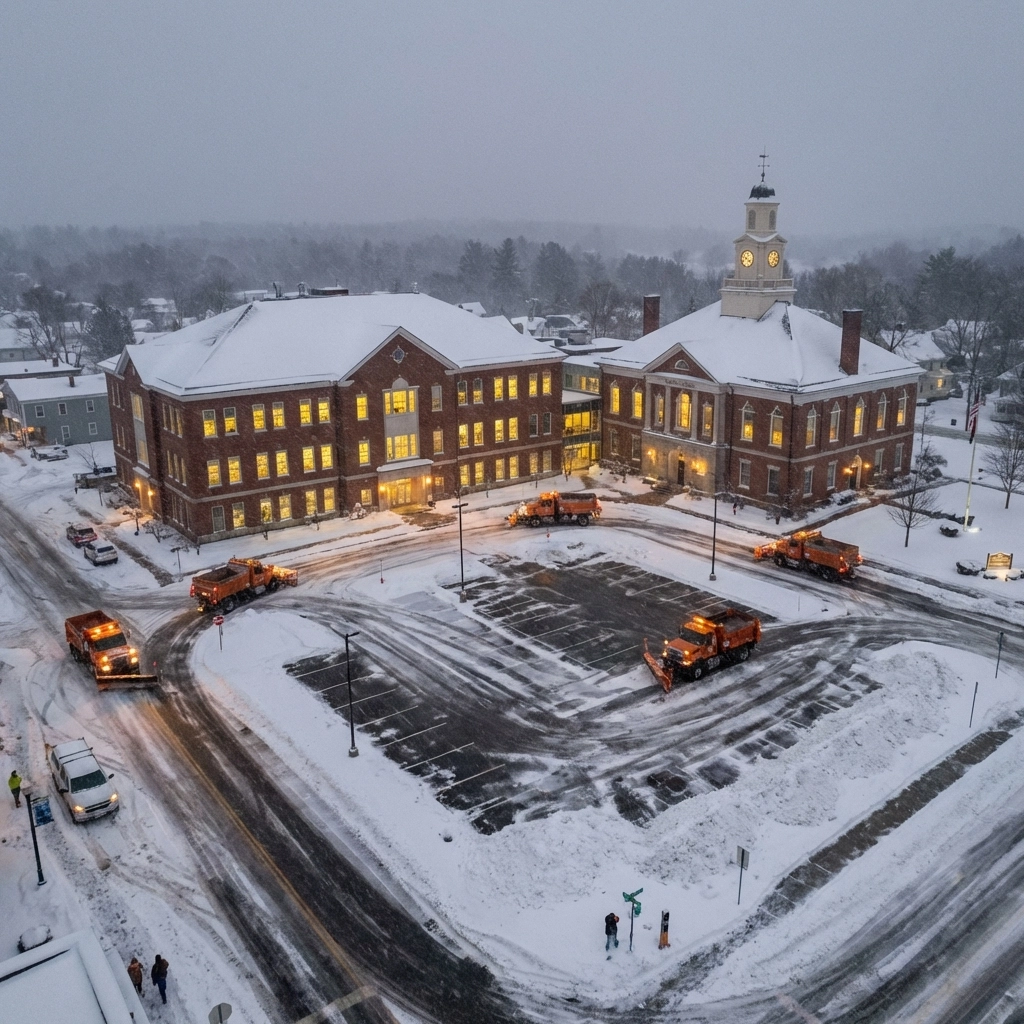
What Are the Benefits of Parametric Insurance for Municipalities Beyond Cost Savings?
Lightning-Fast Fund Access for Emergency Response
Traditional insurance claims for municipal snow damage can take weeks or months to process. Parametric insurance triggers payouts within days of reaching predetermined thresholds, enabling immediate response to evolving situations.
This speed proves crucial during extended weather events. When the February 2021 ice storm hit northern Connecticut, municipalities with parametric coverage received funds within 72 hours: allowing them to secure additional contractors, purchase emergency supplies, and maintain 24/7 operations without waiting for reimbursement approval.
Flexible Resource Allocation Meets Real-World Needs
Unlike traditional insurance that restricts payments to specific asset repairs, parametric payouts offer complete flexibility in fund deployment. Municipalities can allocate resources based on actual operational needs rather than insurance policy limitations.
During severe weather events, this flexibility enables strategic decision-making:
Immediate contractor mobilization for extended storm response
Emergency shelter operations and warming center staffing
Accelerated debris removal to restore normal traffic patterns
Enhanced public safety measures for hazardous conditions
Community support services for vulnerable populations
Extended Coverage for Complex Winter Risks
Municipal winter risks extend far beyond snow plowing costs. Ice storms create different challenges than heavy snow events. Freezing rain requires different response strategies than powder snow. Parametric insurance can be structured to address these nuanced scenarios through customized triggers.
Some municipalities design policies with multiple trigger points:
Heavy snow triggers (12+ inches in 24 hours)
Ice accumulation triggers (0.5+ inches of ice)
Extended cold period triggers (below 10°F for 72+ hours)
Wind chill emergency triggers (below -20°F wind chill)
Each scenario generates appropriate funding for the specific operational response required.
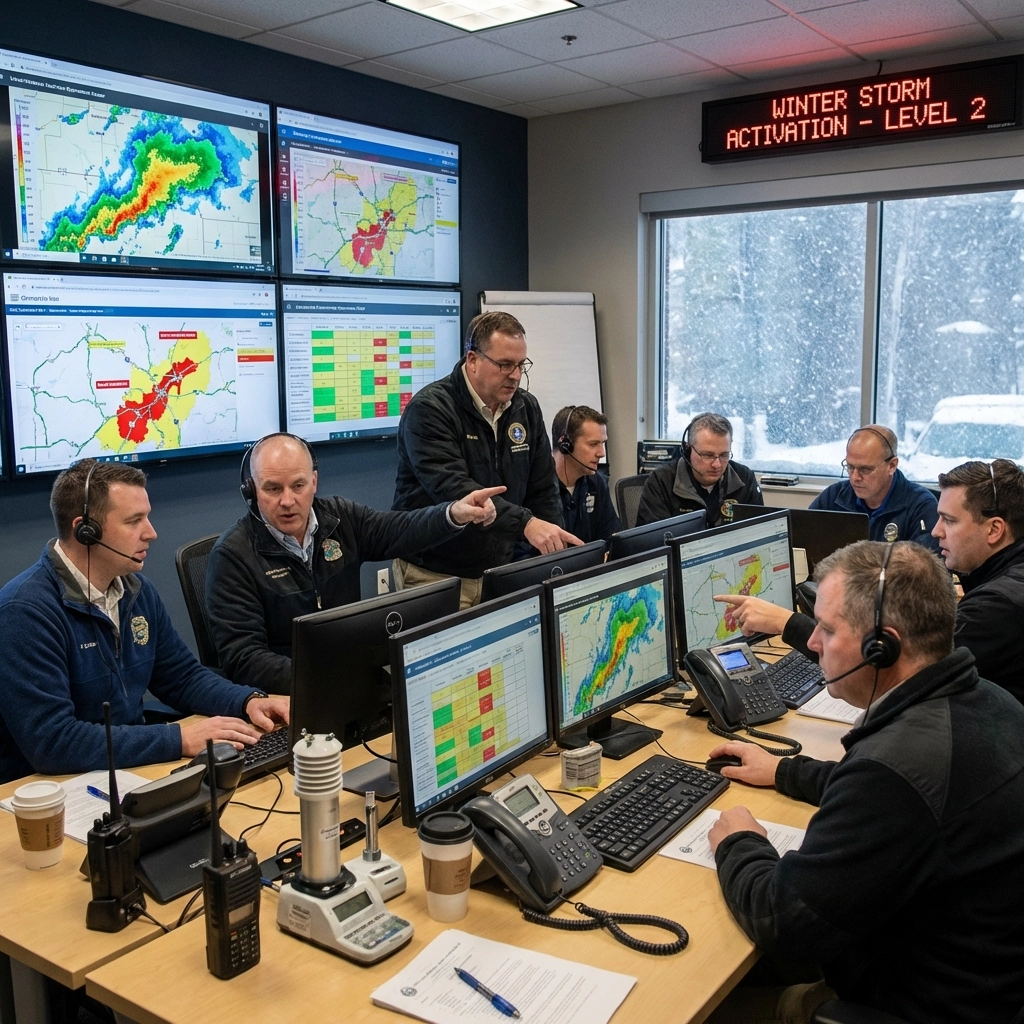
How Does Parametric Coverage Improve Municipal Reserve Management?
Predictable Cash Flow Planning
Municipal finance officers can now model winter scenarios with confidence. Instead of maintaining large reserves for unknown weather events, parametric insurance allows for more precise reserve calculations. This improved predictability enables better long-term capital planning and debt management.
Towns can allocate winter emergency reserves toward planned infrastructure improvements, knowing that parametric coverage will handle severe weather scenarios. This shift from reactive reserve holding to proactive investment planning strengthens overall municipal financial health.
Reduced Long-Term Recovery Costs Through Quick Response
Delayed response to winter events often amplifies total costs. Roads damaged by prolonged ice exposure require more extensive repairs than quickly cleared surfaces. Parametric insurance enables immediate response funding that reduces long-term infrastructure damage and associated repair costs.
The town of Riverside implemented parametric coverage after a 2019 ice storm caused $240,000 in delayed road damage due to funding delays. Their public works director notes: "Quick access to emergency funds now allows us to address issues immediately. Our infrastructure maintenance costs have decreased significantly because we're not playing catch-up after every major weather event."
Enhanced Fiscal Transparency and Public Accountability
Municipal budgets face intense public scrutiny. Parametric insurance creates clear, transparent protection mechanisms that residents can understand and support. Rather than explaining emergency appropriations or service cuts after severe weather, municipalities can demonstrate proactive planning and financial responsibility.
This transparency builds public confidence in municipal financial management and supports budget approval processes for winter operations funding.

Real-World Municipal Success Stories
Connecticut Municipality Case Study: Streamlined Operations
A mid-sized Connecticut town implemented $150,000 in parametric snow coverage with triggers at 18 inches of snowfall in 24 hours. During their first covered season, two events triggered payouts totaling $75,000. These funds allowed them to:
Maintain full plowing operations for 48 additional hours beyond budget
Hire emergency contractors for priority route clearing
Provide extended warming center operations during power outages
Complete post-storm cleanup without depleting spring project funding
Regional Consortium Benefits
Some municipalities achieve additional savings through regional parametric insurance purchasing. When neighboring towns coordinate coverage, they can negotiate better rates while sharing risk modeling expertise. This collaborative approach has proven particularly effective in Connecticut's smaller communities.
Budget Planning Integration: Making Parametric Insurance Work
Annual Budget Development
Integrating parametric insurance into annual budget processes requires coordination between risk management, finance, and operations departments. Successful municipalities establish clear protocols for:
Historical weather data analysis
Trigger threshold determination
Coverage level calculation
Premium budget allocation
Payout deployment procedures
Performance Measurement and Adjustment
Municipalities should track parametric insurance performance through key metrics:
Coverage adequacy (did payouts meet operational needs?)
Trigger accuracy (did thresholds align with actual impact?)
Response time efficiency (how quickly were funds deployed?)
Overall cost effectiveness (premium costs vs. budget stability benefits)
Annual policy reviews allow for threshold adjustments based on operational experience and changing weather patterns.
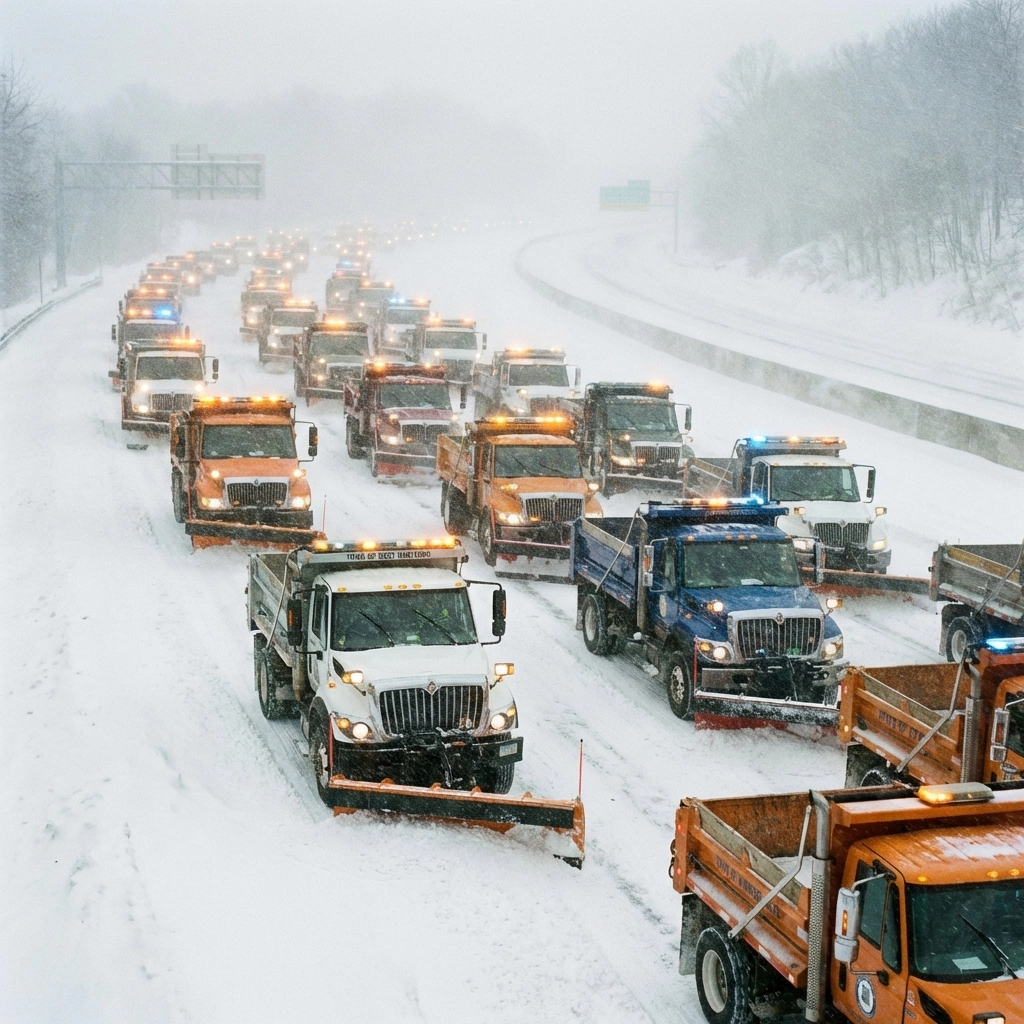
The Competitive Advantage: Why Forward-Thinking Municipalities Choose Parametric Coverage
Municipal leaders who implement parametric insurance gain several competitive advantages:
Resident Satisfaction: Consistent snow removal operations regardless of weather severity maintain public confidence and safety.
Credit Rating Protection: Reduced budget volatility and proactive risk management support favorable municipal credit assessments.
Staff Efficiency: Predictable funding eliminates emergency budget procedures and allows operations staff to focus on service delivery rather than financial constraints.
Strategic Planning Capability: Stable winter operations budgets enable long-term infrastructure and service planning without weather-related uncertainty.
Preparing Your Municipality for Parametric Insurance Success
As we've explored throughout this series, parametric insurance represents a fundamental shift from reactive weather response to proactive risk management. For municipalities ready to move beyond traditional winter budgeting challenges, the benefits extend far beyond simple cost savings.
The key to success lies in thoughtful implementation that aligns coverage triggers with operational realities, integrates seamlessly with existing budget processes, and provides the flexibility needed to respond effectively to diverse winter weather scenarios.
Tomorrow, we'll conclude our series with a practical implementation guide: "The Municipal Snow Safeguard Checklist." This final post will provide specific steps for evaluating parametric insurance fit, questions to ask potential providers, and a framework for successful program launch.
For municipalities ready to explore how parametric insurance can stabilize winter operations budgets and improve long-term financial planning, Insure Connecticut LLC specializes in helping Connecticut municipalities navigate innovative risk management solutions. Our team understands the unique challenges facing New England communities and can provide customized parametric insurance guidance tailored to your specific operational needs and budget requirements.

Comments