.png)
Day 7: The Municipal Snow Safeguard Checklist – Next Steps for Smarter Planning
- W. Tom Polowy, MS

- Jan 17
- 6 min read
Over the past six days, we've explored how parametric insurance can transform municipal snow budgeting from a source of stress into a strategic advantage. You've learned about the hidden costs of winter weather, seen real-world examples of budget disruptions, and discovered how parametric coverage provides immediate payouts when snowfall triggers are met.
Now comes the practical question: How do I get started with parametric insurance for my municipality?
This comprehensive checklist will guide you through evaluating parametric snow insurance, gathering the right data, asking informed questions, and taking concrete steps toward budget protection. Whether you're a city manager, finance director, or public works administrator, these action items will help you move from consideration to implementation.
Step 1: Assess Your Municipality's Snow Risk Profile
Historical Weather Data Review
Start by gathering at least five years of local snowfall data. You need to understand your municipality's specific weather patterns, not just regional averages.
Data to collect:
Annual snowfall totals for your specific area
Monthly distribution of snow events
Frequency of storms exceeding 6, 12, and 24 inches
Ice storm occurrences and duration
Temperature patterns during winter months
Key question to research: "What are the typical snow removal costs per inch in my municipality?" This baseline helps you understand potential savings from parametric coverage.
Budget Impact Analysis
Review your winter maintenance budgets over the past five years. Look beyond just snow removal costs to include:
Overtime expenses for municipal crews
Emergency contractor payments
Salt, sand, and de-icing material costs
Equipment repairs and maintenance
Lost productivity from weather-related closures
Liability claims related to winter conditions
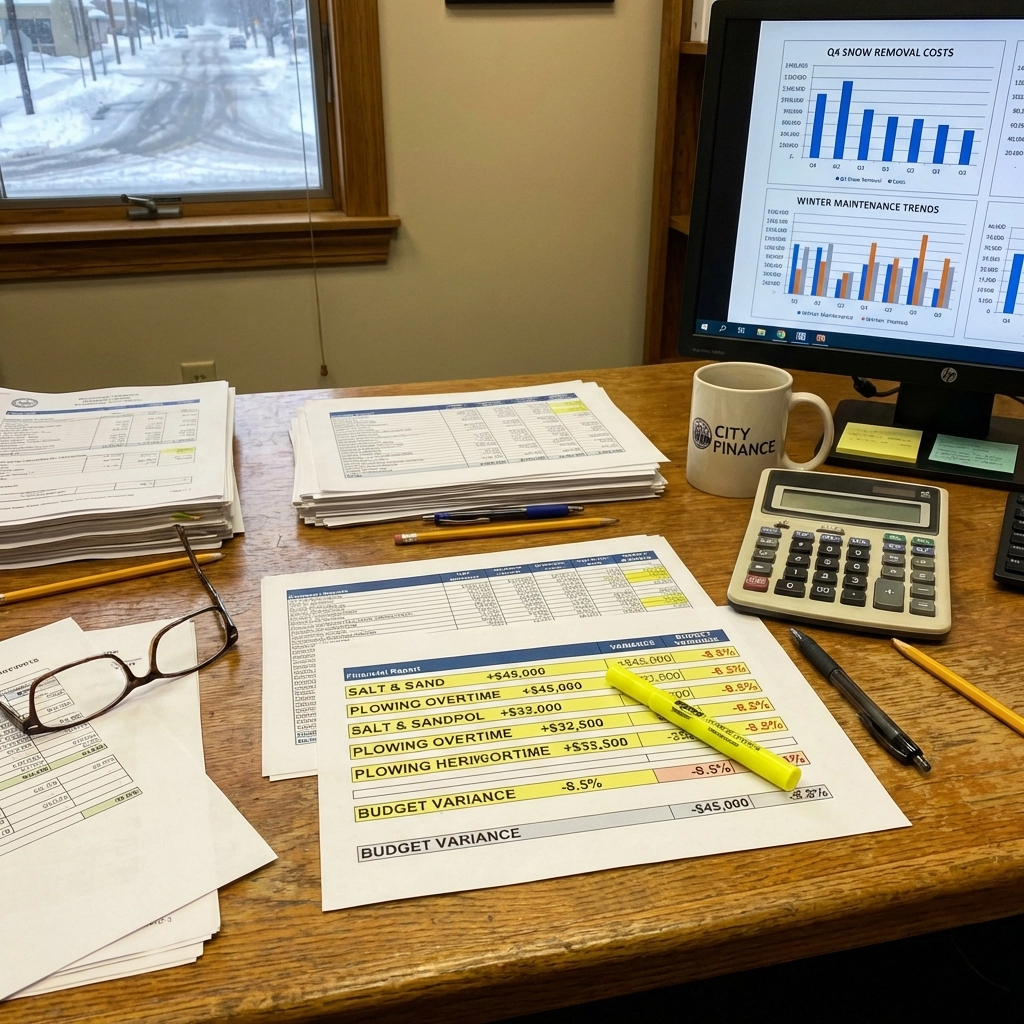
Calculate your "snow budget variance" - the difference between your lowest and highest winter spending years. This number often surprises municipal leaders and clearly demonstrates the need for budget stabilization.
Step 2: Evaluate Parametric Insurance Fit
Coverage Alignment Assessment
Parametric insurance works best when weather events directly correlate with predictable costs. Ask yourself:
Does your municipality experience predictable cost increases when:
Snowfall exceeds certain thresholds?
Multiple storms occur within short timeframes?
Ice events require specialized response?
Extended cold periods increase heating and operational costs?
If you answered yes to most of these questions, parametric coverage likely offers strong benefits for your situation.
Budget Predictability Needs
Consider your municipality's budget constraints and fiscal transparency requirements. Parametric insurance provides the most value when:
Annual budget variations create planning challenges
Reserve funds for weather emergencies are limited
Taxpayers expect consistent, predictable municipal spending
Bond ratings could benefit from reduced budget volatility
What questions should I ask about snow coverage needs? Start with understanding your municipality's tolerance for budget uncertainty versus the cost of parametric protection.
Step 3: Data Gathering for Broker Discussions
Operational Information
Compile comprehensive details about your winter operations:
Fleet and Equipment Inventory:
Number of municipal plow trucks
Contracted snow removal services
Salt storage capacity and typical usage
Equipment replacement schedules
Service Area Details:
Total road miles maintained
Priority routing systems
Public facility snow removal requirements
Sidewalk and parking lot responsibilities
Staffing Information:
Regular winter maintenance crew size
Overtime policies and typical usage
Emergency response protocols
Coordination with regional mutual aid
Financial Documentation
Gather detailed financial records showing:
Monthly winter maintenance spending for the past 5 years
Breakdown of labor, materials, and contractor costs
Emergency expenditure authorizations used
Budget transfers required for winter overruns
Reserve fund usage for weather events
This documentation helps brokers design parametric triggers that align with your actual cost patterns.
Step 4: Questions to Ask Insurance Brokers
Coverage Structure Inquiries
When evaluating parametric snow insurance options, ask these essential questions:
Trigger Design:
"How are snowfall measurements determined for our specific municipality?"
"What weather monitoring stations will be used for coverage triggers?"
"Can triggers be customized for different types of winter events?"
"How quickly are measurements verified and payouts processed?"
Coverage Limits and Payouts:
"What payout amounts are available for different snowfall thresholds?"
"Can coverage include multiple triggers throughout the winter season?"
"Are there options for covering ice storms and freezing rain events?"
"How does coverage handle back-to-back storm events?"
Geographic Considerations:
"How precise is the geographic coverage area?"
"What happens if storms affect only part of our municipality?"
"Can coverage account for elevation differences within our service area?"

Claims and Administrative Process
Understanding the operational side of parametric insurance is crucial:
"What documentation is required when triggers are met?"
"How long does payout processing typically take?"
"Are there any conditions that could delay or prevent payouts?"
"What reporting requirements exist throughout the coverage period?"
Cost and ROI Evaluation
Essential pricing questions:
"How are premiums calculated for municipal parametric coverage?"
"What discounts are available for multi-year agreements?"
"How does parametric pricing compare to traditional weather-related coverage?"
"What factors could cause premium adjustments in future years?"
Step 5: ROI Analysis Framework
Cost-Benefit Calculation
Develop a simple framework to evaluate parametric insurance value:
Annual Premium vs. Budget Stabilization Value: Calculate the premium cost against your typical snow budget variance. If parametric coverage costs less than 25% of your average budget overrun, the protection likely provides strong value.
Risk Transfer Benefits: Consider non-monetary benefits:
Improved budget predictability for taxpayers
Reduced stress on municipal finance teams
Enhanced ability to maintain service levels during severe winters
Protection of capital improvement projects from weather-related delays
Multi-Year Impact: Evaluate parametric insurance as a multi-year budget management tool. Even if coverage isn't used every year, the budget certainty it provides supports better long-term planning.
Step 6: Implementation Planning
Internal Approval Process
Map out the decision-making process within your municipality:
Key Stakeholders to Include:
Municipal executives (Mayor, City Manager)
Finance Director and budget team
Public Works Director
Legal counsel for contract review
Risk management coordinator
Budget Integration: Determine how parametric insurance premiums fit into existing budget categories. Many municipalities find the predictable premium cost easier to justify than unpredictable weather-related overruns.
Pilot Program Considerations
Consider starting with limited parametric coverage to test the process:
Single-season coverage for evaluation
Focus on highest-cost weather scenarios
Limited geographic area if your municipality covers diverse terrain
Specific trigger thresholds based on historical worst-case events
Step 7: Vendor Selection and Contract Negotiation
Broker Evaluation Criteria
Choose an insurance broker with specific municipal and parametric experience:
Essential Qualifications:
Track record with municipal clients
Understanding of local weather patterns
Experience with parametric insurance products
Knowledge of municipal budget processes and constraints
Service Expectations:
Regular coverage reviews and optimization
Prompt claims processing support
Educational resources for municipal staff
Integration with existing risk management programs
At Insure Connecticut LLC, our team understands both municipal operations and parametric insurance solutions. We work specifically with Connecticut municipalities and neighboring regions to design coverage that fits local weather patterns and budget realities.
Taking Action: Your Next Steps
Immediate Actions (This Week)
Gather your winter cost data from the past five years
Research local snowfall patterns using National Weather Service historical data
Calculate your snow budget variance to understand potential savings
Identify internal stakeholders who should be part of the evaluation process
Short-Term Planning (This Month)
Contact experienced parametric insurance brokers for initial consultations
Prepare detailed operational information about your winter maintenance program
Review current insurance coverage to understand gaps and overlaps
Develop preliminary budget projections for parametric coverage costs
Long-Term Implementation (Next Budget Cycle)
Include parametric insurance evaluation in next year's budget planning
Consider pilot program options for initial testing
Develop staff training programs on parametric coverage management
Create reporting systems to track coverage effectiveness
Ready to Protect Your Snow Budget?
Parametric insurance represents a fundamental shift from reactive weather spending to proactive budget management. Instead of hoping for mild winters, your municipality can plan with confidence knowing that severe weather triggers immediate financial support.
The municipalities that benefit most from parametric snow insurance share common characteristics: they face unpredictable winter weather, manage tight budgets, and prioritize transparent fiscal management. If this describes your situation, parametric coverage deserves serious consideration.
How do I get started with parametric insurance evaluation for my municipality? The first step is connecting with brokers who understand both municipal operations and parametric products.
Contact Insure Connecticut LLC today at 860-440-7324 to schedule a consultation specifically designed for municipal parametric insurance needs. Our team will review your winter cost data, explain coverage options, and help you develop a parametric insurance strategy that fits your budget and risk management goals.
Don't let another unpredictable winter disrupt your municipal budget. Take control of weather-related costs with parametric insurance protection designed specifically for municipal operations in snowy regions.
Your taxpayers deserve predictable, well-managed municipal services regardless of what Mother Nature delivers. Parametric insurance makes that consistency possible, transforming winter weather from a budget threat into a manageable, predictable expense.
Ready to explore parametric snow insurance for your municipality? Contact our municipal insurance specialists today to begin the evaluation process and protect your budget from winter weather surprises.


Comments