.png)
High Stakes: Why Roofers Need Specialized Coverage
- W. Tom Polowy, MS

- Apr 10
- 6 min read
If you’re a roofing contractor in Connecticut, you’ve got arguably the best office view in the state. On a clear day, you’re looking out over the rolling hills of Litchfield County or the historic shorelines of the Sound while everyone else is staring at a fluorescent light bulb in a cubicle. But as any pro knows, that view comes with a literal and metaphorical drop-off. In the world of connecticut business insurance, roofing is considered "high hazard" for a reason.
Gravity doesn't take lunch breaks, and neither do the risks associated with your trade. Whether you’re ripping off old shingles in West Hartford or installing a standing seam metal roof on a new build in Greenwich, the stakes are significantly higher than they are for a flooring guy or a painter. At Insure Connecticut LLC, we’ve seen what happens when a "standard" policy meets a roofing-specific disaster. Spoiler alert: it usually ends with a lot of out-of-pocket expenses and a very stressed-out business owner.
The View from 40 Feet: Why Roofing is a Different Beast
Most general contractors think they’re covered because they have a General Liability (GL) policy. However, roofing is the "extreme sport" of the construction world. While a trim carpenter might accidentally nick a finger or scratch a baseboard, a mistake on a roof can lead to a catastrophic structural failure or a multi-million dollar personal injury claim.
The reality is that many standard insurance carriers don't even want to touch roofers. If they do, they often attach "exclusions" that are essentially landmines buried in your policy paperwork. We’re talking about height limitations (ever seen a policy that doesn't cover work above three stories?) or "open roof" exclusions that leave you hanging if a sudden West Hartford thunderstorm hits while the plywood is exposed.
Specialized roofing coverage isn't just a luxury; it’s the foundation of your business's survival. When you work with an agency like Insure Connecticut LLC, we help you navigate these specific pitfalls so you aren't paying for a policy that disappears the moment you actually need to use it.
The "Gravity" of the Situation: Key Risks and Challenges
Let’s talk about the things that keep CT roofing contractors up at night. It’s not just about falling off the ladder, though that is a massive concern. It’s about the ripple effect of a high-altitude job site.
1. The "Falling Objects" Factor
If a hammer falls in a forest and no one is there to hear it, does it make a sound? Probably not. But if a hammer falls off a three-story roof in downtown New Haven and hits a pedestrian or a parked Tesla, it makes a very loud sound, specifically, the sound of a lawsuit. Property damage from falling materials is a top-tier risk for roofers. Your connecticut business insurance needs to account for the fact that your job site exists in a 3D space where gravity is always pulling your tools toward the ground.
2. The Open Roof Nightmare
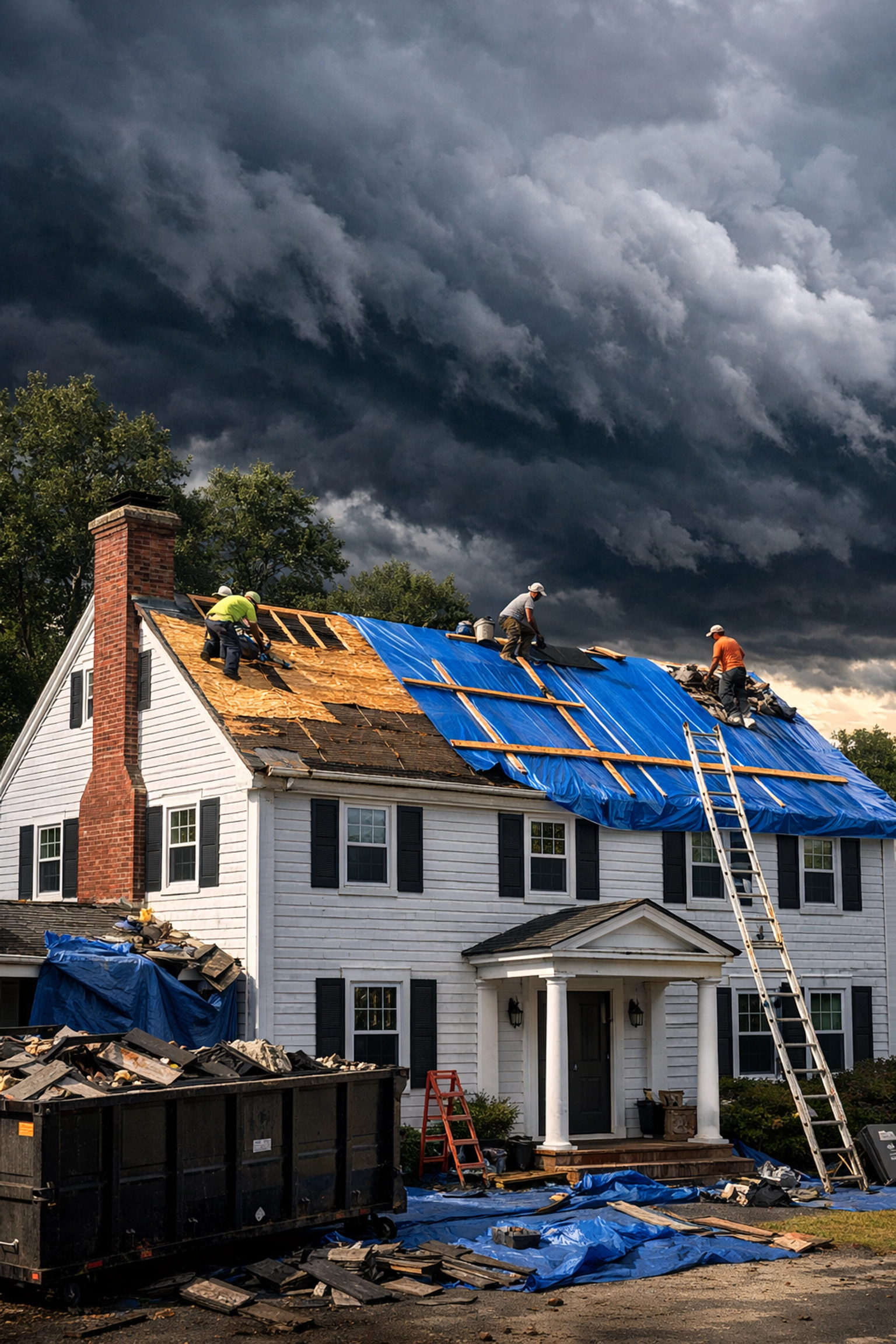
In Connecticut, the weather changes faster than a teenager’s mood. You start a tear-off under a clear sky, and by 2:00 PM, a microburst is dumping three inches of rain on an exposed attic. If your policy has an "Open Roof Exclusion," you are personally responsible for the water damage to the home’s interior, electronics, and structural integrity. This is why specialized coverage is non-negotiable. You need a policy that understands the reality of New England weather.
3. Workers’ Compensation: The Heavy Hitter
Roofing has one of the highest "mod ratings" in the insurance industry. Why? Because when a roofer gets hurt, it’s rarely a minor bruise. Falls from heights lead to long-term disability or worse. In CT, having the right workers’ compensation is not just a legal requirement; it’s a moral and financial one. Without it, one slip could result in the end of your company and personal financial ruin.
Why Standard Coverage Falls Short (And How to Spot the Gaps)
Many roofers make the mistake of buying the cheapest policy they can find just to get a Certificate of Insurance (COI) so they can pull a permit. This is like buying a parachute made of tissue paper, it looks fine until you’re in the air.
Here are the common gaps we see in "cheap" contractor policies:
Height Exclusions: Some policies won't cover work above two or three stories. If you’re working on a Victorian in Hartford, you might be out of luck.
Subcontractor Gaps: If you hire "subs" and they don't have their own high-level coverage, their mistakes could flow back to your policy. If your policy doesn't explicitly allow for roofing subs, you're in trouble.
Completed Operations: What happens if the roof leaks two years after you finished the job? If your policy isn't structured correctly, you might find that your coverage ended the day you packed up your trucks.
To avoid these, you need to look into a Póliza para Propietarios de Negocios (BOP) that is specifically tailored for the roofing trade.
Best Practices: How to Protect Your Roofing Business
You’ve spent years building your reputation and your crew. Don't let a paperwork error tear it down. Follow these steps to ensure you’re actually protected:
Audit Your Policy for "Roofing Exclusions": Take a highlighter to your policy. If you see words like "residential only" but you’re bidding on a commercial warehouse, stop. If you see "no hot tar work" but you’re doing torch-down roofing, call your agent immediately.
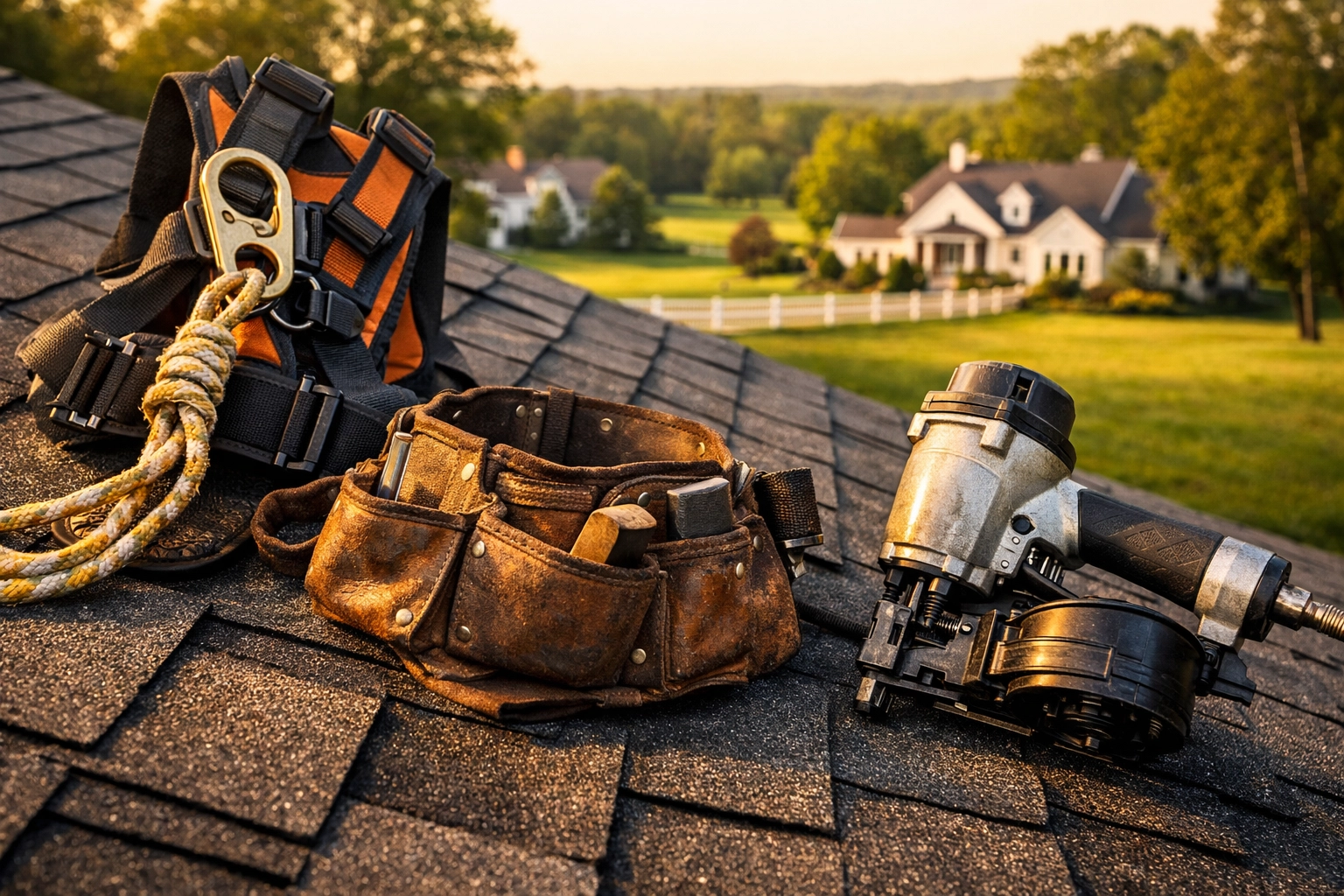
Secure Inland Marine Insurance: Your tools are your livelihood. If your compressor, nail guns, and ladders are stolen from the job site or a trailer, a standard GL policy won't cover them. You need Inland Marine coverage to protect your gear while it’s in transit or on-site.
Manage Your Subs Like a Pro: Always, always, always get a COI from your subcontractors before they step foot on the ladder. Make sure they name you as an "Additional Insured."
Consider Builder's Risk: On major renovations or new builds, Builder’s Risk insurance provides an extra layer of protection for the materials and the structure itself while work is in progress.
Future Outlook: The Tech and Trends of CT Roofing
The roofing industry is evolving, and so is the insurance landscape. We’re seeing a massive uptick in the use of drones for roof inspections. While this keeps your guys off the ladders (reducing risk!), it introduces a new liability: Cyber and Privacy risks. If your drone crashes into a neighbor's window or records something it shouldn't, you need to be covered. You can learn more about cyber insurance and how it’s starting to affect even blue-collar trades.
Furthermore, as Connecticut experiences more volatile weather patterns, think heavier snow loads and more frequent high-wind events, carriers are becoming stricter about workmanship. The "Tail" of your liability (how long you’re responsible after the job) is becoming a major focal point in litigation.
Frequently Asked Questions
1. Why is roofing insurance so much more expensive than other trades?
It comes down to the severity of claims. A plumbing leak might cause a few thousand dollars in damage. A roofer falling or a roof collapsing can lead to million-dollar settlements. Higher risk equals higher premiums, but the right broker can find you the best value.
2. Can I use my personal auto policy for my roofing truck?
Usually, no. If you’re hauling shingles, ladders, and a crew, you need Commercial Auto Insurance. If you have an accident while "on the clock" in a personal vehicle, your claim will likely be denied.
3. Does General Liability cover my own work if I mess up?
Actually, GL typically covers damage to others' property, not necessarily the cost to redo your own work. To cover "errors" in your installation, you might need Professional Liability or specific workmanship endorsements.
4. What is an "Additional Insured" and why do I need it?
General contractors or commercial building owners will often ask to be added to your policy. This means your insurance will protect them if they get sued because of something you did on their job site.
5. How can I lower my roofing insurance premiums?
Safety is your best friend. Implementing a rigorous safety training program, having clean claims history, and choosing a higher deductible can help bring costs down.
Conclusion: Don’t Let Your Business Slip
Roofing is a tough, honest way to make a living in Connecticut, but it isn't for the faint of heart: or the under-insured. In this industry, "good enough" coverage is a recipe for disaster. You need a partner who understands that your business is unique and that the risks you face at 30 feet up are different from the ones faced on the ground.
At Insure Connecticut LLC, we specialize in helping contractors find the right connecticut business insurance without the headache of fine-print surprises. We’re located right here in West Hartford, and we know exactly what CT roofers need to stay protected and profitable.
Don't wait for the next storm or the next big bid to find out your policy is full of holes. Let’s review your coverage and make sure your business is as solid as the roofs you build.
Ready to secure your summit? Call us today at 860-440-7324 or visit us at 71 Raymond Road, West Hartford, CT 06107. Let’s get you covered so you can get back to the view.

Comments