.png)
The CT Winter Survival Guide: Protecting Your Home from Ice, Snow, and Burst Pipes

Updated: Mar 13
If you've lived in Connecticut for more than a single winter, you already know the drill. One day it's 45 degrees and sunny, the next you're shoveling your driveway at 6 AM while the wind whips ice crystals into your face. Welcome to New England.
But here's the thing: while we can't control the weather, we absolutely can control how prepared our homes are to handle it. And trust me, a little preparation now can save you thousands of dollars in damage, countless headaches, and a whole lot of stress when the next nor'easter decides to visit.
Every year, Connecticut homeowners file claims for burst pipes, ice dam damage, roof collapses, and water intrusion. Many of these claims could have been prevented with some proactive maintenance and preparation. If you want a data-driven snapshot of how winter storms impact insurance losses and claims trends, the Insurance Information Institute’s winter storm statistics are a strong reference point. And here's the kicker: some types of winter-related damage might not even be covered by your Connecticut home insurance policy if you haven't taken reasonable steps to protect your property.
So let's dive into everything you need to know to winterproof your Connecticut home, protect your family, and keep your insurance claims to a minimum. Consider this your ultimate CT winter survival guide.
Why Winter Preparation Matters More Than You Think
Let's start with some real talk. Winter in Connecticut isn't just inconvenient; it can be genuinely destructive. We're talking about:
Temperature swings that cause pipes to freeze and burst
Ice dams that force water under your shingles and into your ceilings
Heavy snow loads that stress your roof structure
Power outages that can last for days after major storms
Fallen trees and branches that damage roofs, siding, and vehicles
The average water damage claim from a burst pipe runs anywhere from $5,000 to $70,000, depending on how quickly it's discovered and how much of your home is affected. For an unoccupied vacation home or secondary residence? Those numbers can skyrocket because the damage often goes unnoticed for days or even weeks.
Here's the bottom line: the cost of winterizing your home is a fraction of what you'd pay out of pocket for repairs, even with insurance coverage. And speaking of coverage, let's talk about something important that many homeowners don't realize until it's too late.
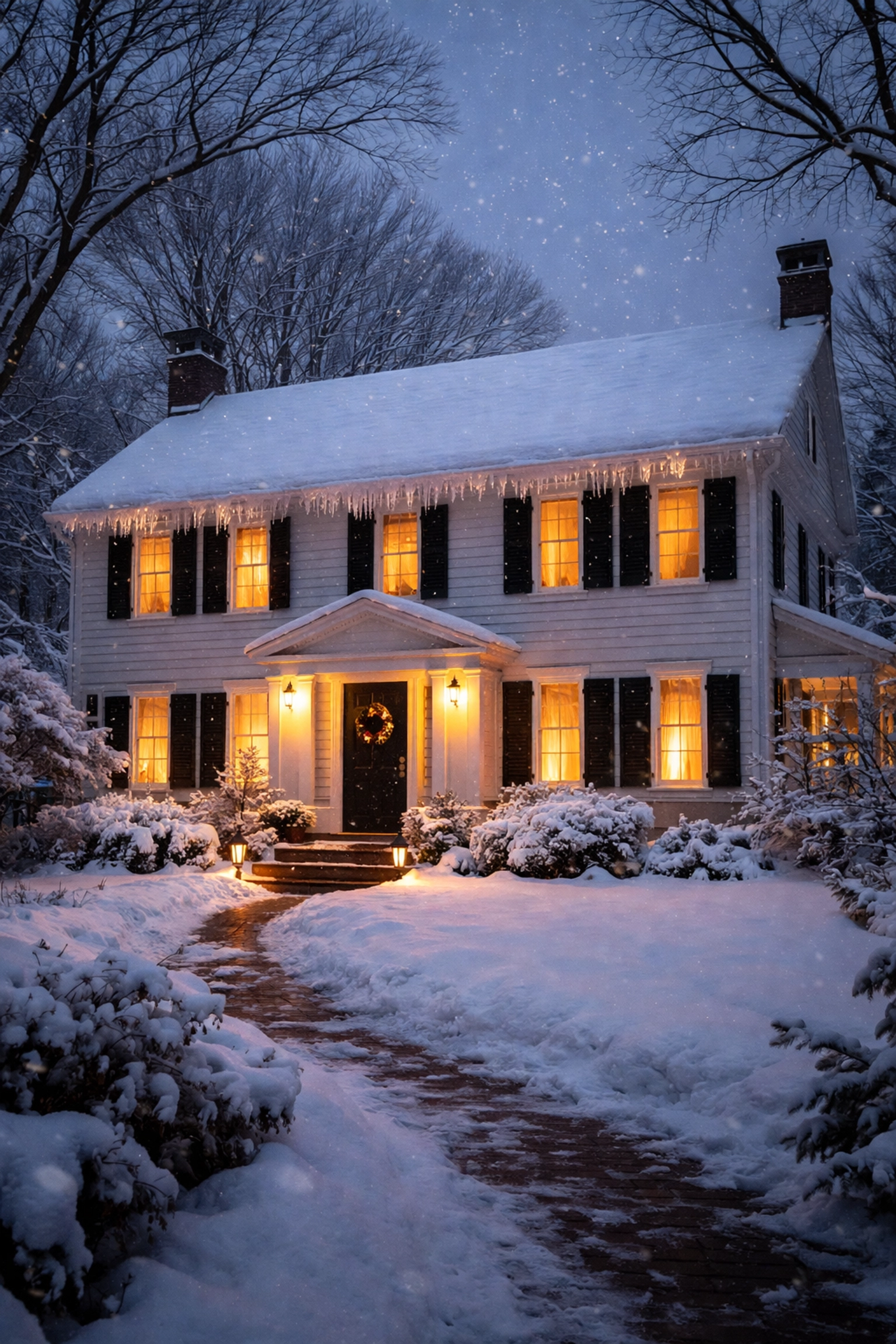
The Coverage Gap You Need to Know About
Before we get into the nuts and bolts of winter preparation, there's something critical we need to address. Your standard homeowners insurance policy does not cover flood damage. Period.
Wait, what does flooding have to do with winter? A lot, actually.
When temperatures rise rapidly after a heavy snowfall, all that melting snow has to go somewhere. If your property doesn't have proper drainage, or if the ground is still frozen and can't absorb the water, you could end up with significant flooding in your basement or lower levels.
Similarly, ice jams on rivers and streams can cause flash flooding in areas that don't typically experience water issues. Connecticut has seen its fair share of winter flood events, and homeowners are often shocked to learn their home insurance in CT won't cover the damage.
If you want protection against flood losses, you need a separate flood insurance policy. This is true whether you live in a designated flood zone or not, because flooding can happen anywhere. We covered this extensively in our post about Connecticut's flood disclosure law, which is worth reading if you're not familiar with your flood risk. If you want a practical breakdown of what flood coverage actually is (and how to add it), use our Flood Insurance guide.
Now, let's get into the six essential steps to protect your home this winter.
Step 1: Inspect and Maintain Your Roof
Your roof is your home's first line of defense against winter weather, and it takes a beating every single year. Before the first snowfall, take time to give it a thorough inspection.
What to look for:
Missing, cracked, or curling shingles
Areas where shingles are worn or deteriorating
Damaged flashing around chimneys, vents, and skylights
Signs of sagging or structural stress
Debris accumulation in valleys and corners
If you're not comfortable climbing up there yourself, hire a professional roofer for an inspection. It's money well spent compared to discovering a leak during a February ice storm.
Pro tip: Consider investing in a roof rake if you have a low-slope roof or areas prone to snow accumulation. Safely removing heavy snow from the ground can prevent ice dams and reduce stress on your roof structure. And if you run a company with vehicles on the road in winter weather, make sure your coverage matches the risk—our Commercial Auto Insurance guide explains what matters most when roads turn icy.
Step 2: Clean and Inspect Your Gutters
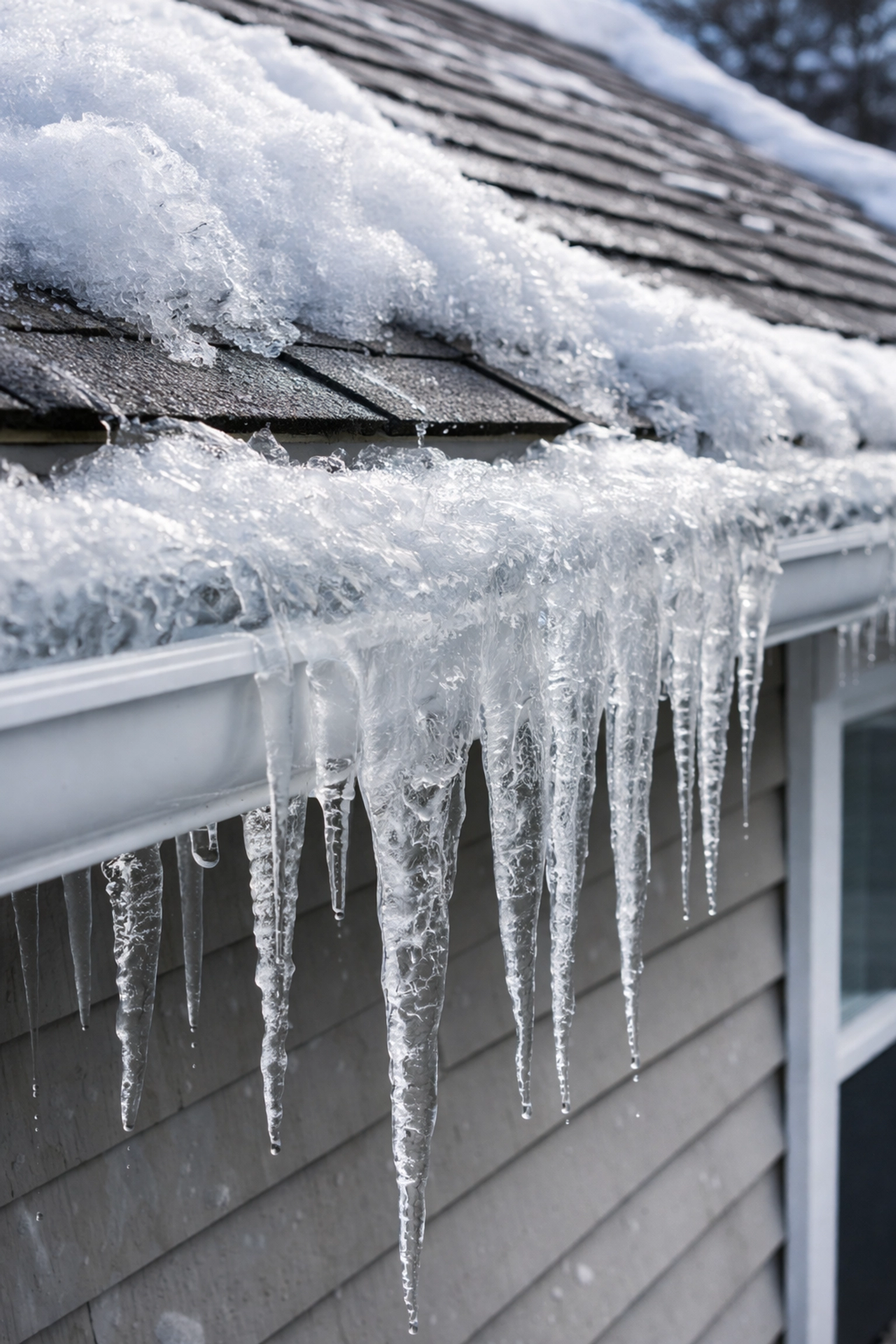
Clogged gutters are one of the leading causes of ice dams, and ice dams are one of the leading causes of winter water damage claims. The math is simple: keep your gutters clean.
When gutters are blocked with leaves, twigs, and debris, water can't flow properly. It backs up, freezes, and creates a dam of ice along your roofline. As more snow melts, the water has nowhere to go except under your shingles and into your home.
Your gutter checklist:
Remove all leaves, debris, and sediment
Check that gutters are securely attached to the fascia
Look for cracks, holes, or rust spots
Ensure downspouts direct water at least 4-6 feet away from your foundation
Consider installing gutter guards if you have lots of trees
While you're at it, check your drainage areas around the foundation. Make sure the ground slopes away from your home so melting snow doesn't pool against your foundation walls.
Step 3: Seal Windows and Doors Like Your Heating Bill Depends on It
Because it does. Air leaks around windows and doors don't just let cold air in; they let your heated air out. This makes your heating system work harder, increases your energy bills, and can create cold spots where condensation and moisture problems develop.
Weatherproofing essentials:
Apply weatherstripping around all exterior doors
Use caulk or silicone sealant around window frames (silicone holds up best through freeze-thaw cycles)
Install door sweeps on exterior doors
Add foam gaskets behind outlet and light switch covers on exterior walls
Consider storm windows or interior window insulation kits for older windows
These improvements can make a noticeable difference in your comfort level and your heating costs. Plus, a well-sealed home is less likely to develop moisture problems that can lead to mold and structural damage.
Step 4: Protect Your Pipes from Freezing
This is the big one. Frozen and burst pipes cause more winter insurance claims than almost any other issue, and the damage can be catastrophic.
Water expands when it freezes. When that expansion happens inside your pipes, something has to give, and it's usually the pipe itself. The resulting flood can damage walls, floors, ceilings, furniture, electronics, and personal belongings throughout your home.
Pipe protection strategies:
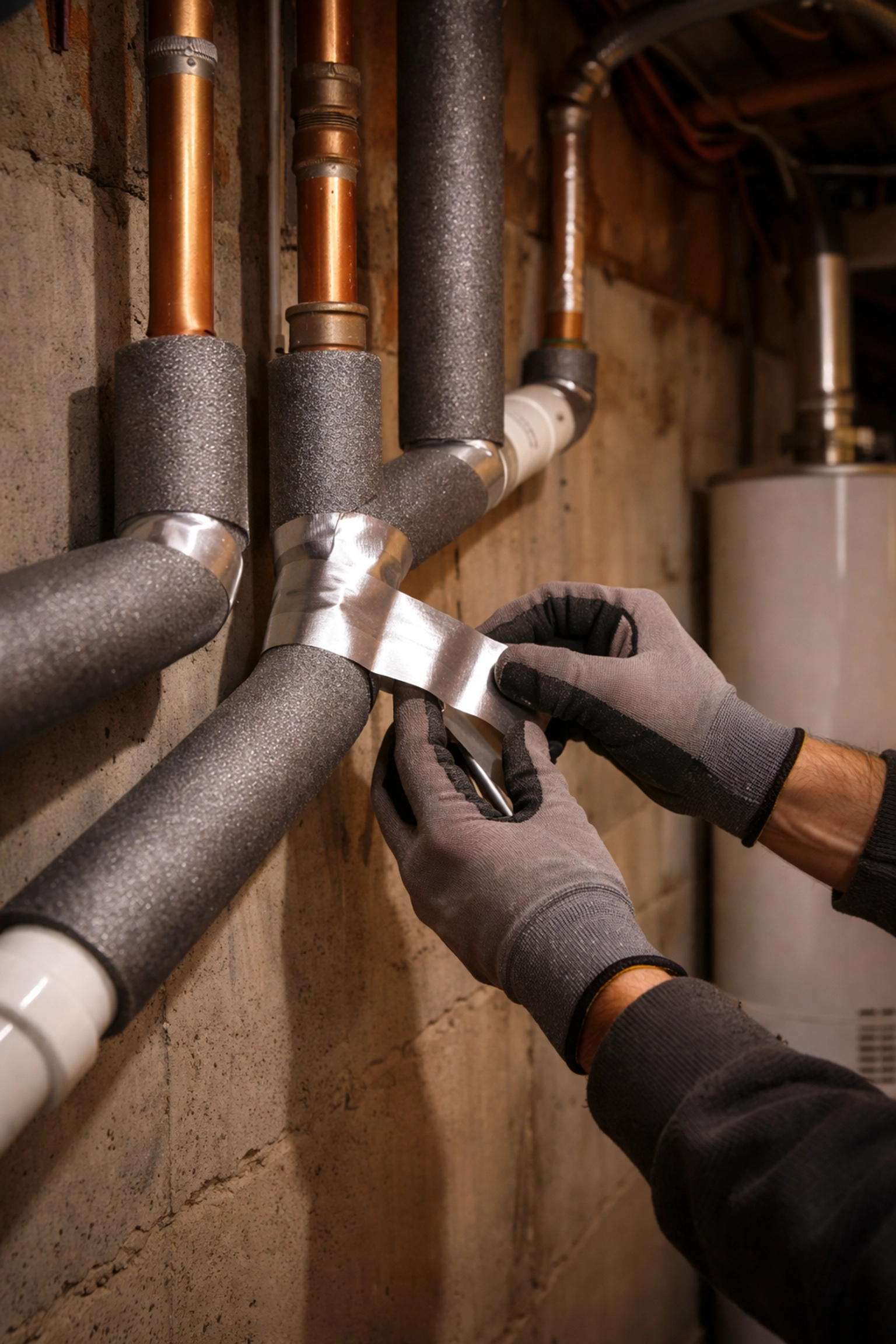
Insulate exposed pipes in unheated areas like basements, crawlspaces, garages, and attics. Foam pipe insulation sleeves are inexpensive and easy to install.
Seal gaps and cracks where cold air could reach pipes. Check around pipes where they enter your home from outside.
Keep interior temperatures consistent. Don't let your home get too cold, even when you're away. Most experts recommend keeping your thermostat at 55°F or higher during cold snaps.
Open cabinet doors under sinks on exterior walls to let warm air circulate around the pipes.
Let faucets drip during extreme cold. A small trickle of water keeps pipes from freezing.
Know where your main water shut-off valve is so you can act quickly if a pipe bursts.
If you have a secondary home or vacation property in Connecticut, pipe protection is even more critical. Consider installing a water leak detection system that can alert you remotely if something goes wrong.
Step 5: Service Your Heating System
Your heating system is going to work overtime from November through March. A little preventive maintenance can improve efficiency, reduce the risk of breakdowns, and potentially save you up to 15% on your heating bills.
Heating system maintenance:
Schedule an annual HVAC tune-up with a licensed technician
Replace furnace filters monthly during heavy-use periods
Clear the area around your furnace and water heater, no storage within 3 feet
Test your thermostat to make sure it's reading temperatures accurately
Bleed radiators if you have a hot water heating system
Have your chimney inspected and cleaned if you use a fireplace or wood stove
Safety note: Make sure you have working carbon monoxide detectors on every level of your home. Heating systems, fireplaces, and generators can all produce carbon monoxide, and this colorless, odorless gas is responsible for hundreds of deaths each year.
Step 6: Build Your Emergency Supply Kit
Power outages are a fact of life during Connecticut winters. Heavy snow, ice on power lines, and fallen trees can leave you without electricity for hours or even days. Being prepared makes these situations much more manageable. For a solid, step-by-step checklist, FEMA’s emergency preparedness resources are worth bookmarking.
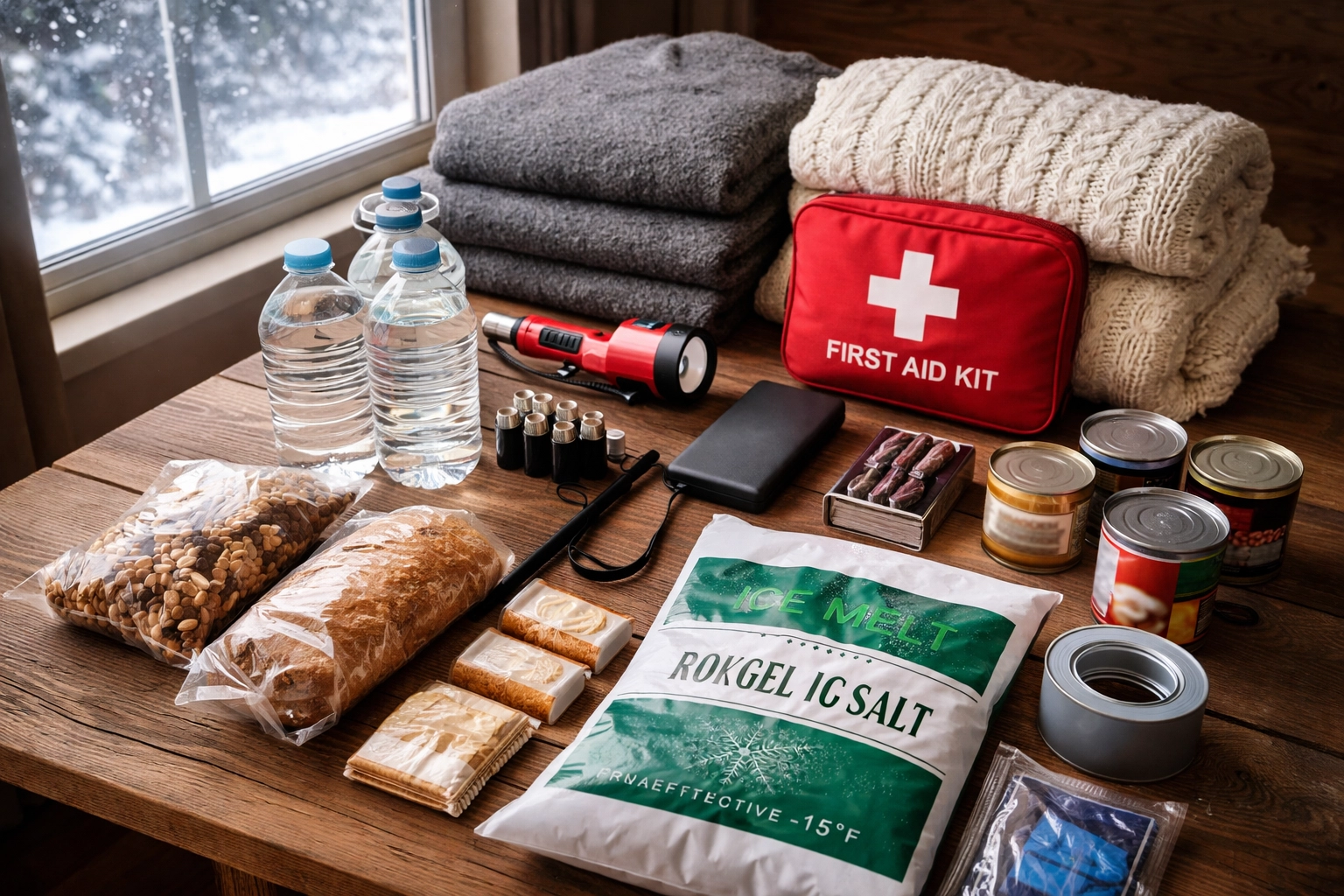
Your winter emergency kit should include: (For additional winter safety tips, see the National Weather Service’s winter safety hub.)
Flashlights with fresh batteries (and extra batteries)
Battery-powered or hand-crank radio
First aid kit
Bottled water (one gallon per person per day for at least three days)
Non-perishable food and a manual can opener
Blankets and warm clothing
Phone chargers and portable power banks
Prescription medications (keep a few days' supply on hand)
Rock salt or pet-safe ice melt
Multiple snow shovels
Sand or cat litter for traction on icy surfaces
If you have a generator, make sure you have fuel stored safely and know how to operate it properly. Generators should NEVER be run inside your home, garage, or any enclosed space; carbon monoxide poisoning is a serious risk.
Special Considerations for Secondary Homes and Unoccupied Properties
If you own a vacation home, rental property, or secondary residence in Connecticut, winter preparation takes on extra importance. Unoccupied homes are at much greater risk for extensive damage because problems often go unnoticed for extended periods.
For unoccupied properties:
Consider draining the water system entirely or having it professionally winterized
Install smart water sensors that can alert you to leaks remotely
Use a smart thermostat that lets you monitor and adjust temperatures from your phone
Arrange for someone to check on the property regularly, at least weekly during winter months
Make sure your CT home insurance policy covers extended vacancy (some policies have vacancy clauses that limit coverage)
Talk to your insurance agent about any specific requirements or recommendations for protecting unoccupied properties. The coverage rules can be different, and you don't want any surprises if you need to file a claim.
When to Start Winterizing
Timing matters. The best time to winterize your Connecticut home is between September and early November, before consistent freezing temperatures arrive.
Waiting until after the first hard freeze puts you at risk. Pipes can freeze when temperatures drop below 32°F, especially in uninsulated areas. And once the ground freezes, addressing drainage issues becomes much more difficult.
Mark your calendar, set a reminder, and make winterization an annual tradition. Your future self will thank you.
How Proper Maintenance Affects Your Insurance
Here's something worth knowing: insurance companies expect you to take reasonable care of your property. If damage occurs that could have been prevented with basic maintenance, like a burst pipe in an uninsulated area or ice dam damage from clogged gutters, you might face challenges with your claim.
On the flip side, maintaining your home well can work in your favor. Some insurance companies offer discounts for homes with certain protective features, like water leak detection systems or monitored security systems. And a clean claims history helps keep your premiums lower over time.
The relationship between home maintenance and Connecticut home insurance is straightforward: take care of your home, and your insurance will be there for the unexpected events you can't prevent.
Frequently Asked Questions
How cold does it have to get for pipes to freeze?
Pipes can start to freeze when temperatures drop to 32°F or below, but the risk increases significantly when temperatures fall below 20°F for extended periods. Pipes in unheated areas like garages, crawlspaces, and exterior walls are most vulnerable.
Does homeowner's insurance cover burst pipes?
Generally, yes, homeowner's insurance covers sudden and accidental water damage from burst pipes. However, damage caused by a lack of maintenance or failure to heat your home adequately may not be covered. Always review your specific policy terms.
What should I do if a pipe bursts?
Immediately shut off the main water supply to your home. Then call a plumber and your insurance agent. Document the damage with photos and videos before beginning cleanup.
Does my home insurance cover ice dam damage?
Most policies cover interior water damage caused by ice dams. However, the cost to remove the ice dam itself or repair the roof may not be covered. Check your policy or ask your agent for clarification.
How often should I have my roof inspected?
At a minimum, have your roof professionally inspected every 2-3 years, or annually if your roof is older than 15 years. Also, inspect after any major storm.
Is flood insurance worth it in Connecticut?
Given that flooding can happen anywhere, not just in designated flood zones, flood insurance is worth considering for any homeowner. The cost is relatively affordable compared to the potential damage, and it provides peace of mind that your standard policy simply can't offer.
Protect Your Home, Protect Your Family
Connecticut winters can be beautiful: there's nothing quite like a fresh snowfall on a quiet morning. But that beauty comes with real risks to your home if you're not prepared.
Take the time now to inspect your roof, clean your gutters, seal your windows, protect your pipes, service your heating system, and build your emergency kit. These steps don't take long, they don't cost much, and they can save you from serious damage and stress when winter weather hits.
And if you're not sure whether your current home insurance in CT provides the coverage you need for winter-related risks, now is the perfect time to find out. A quick policy review can identify gaps in your coverage and give you peace of mind before the next storm rolls through. If your goal is broader, more comprehensive financial protection tied to your home and family, read our guide on Mortgage Insurance vs. Life Insurance.
Comments