.png)
The Evolution of European Imports in Litchfield County
- W. Tom Polowy, MS

- Apr 21
- 7 min read
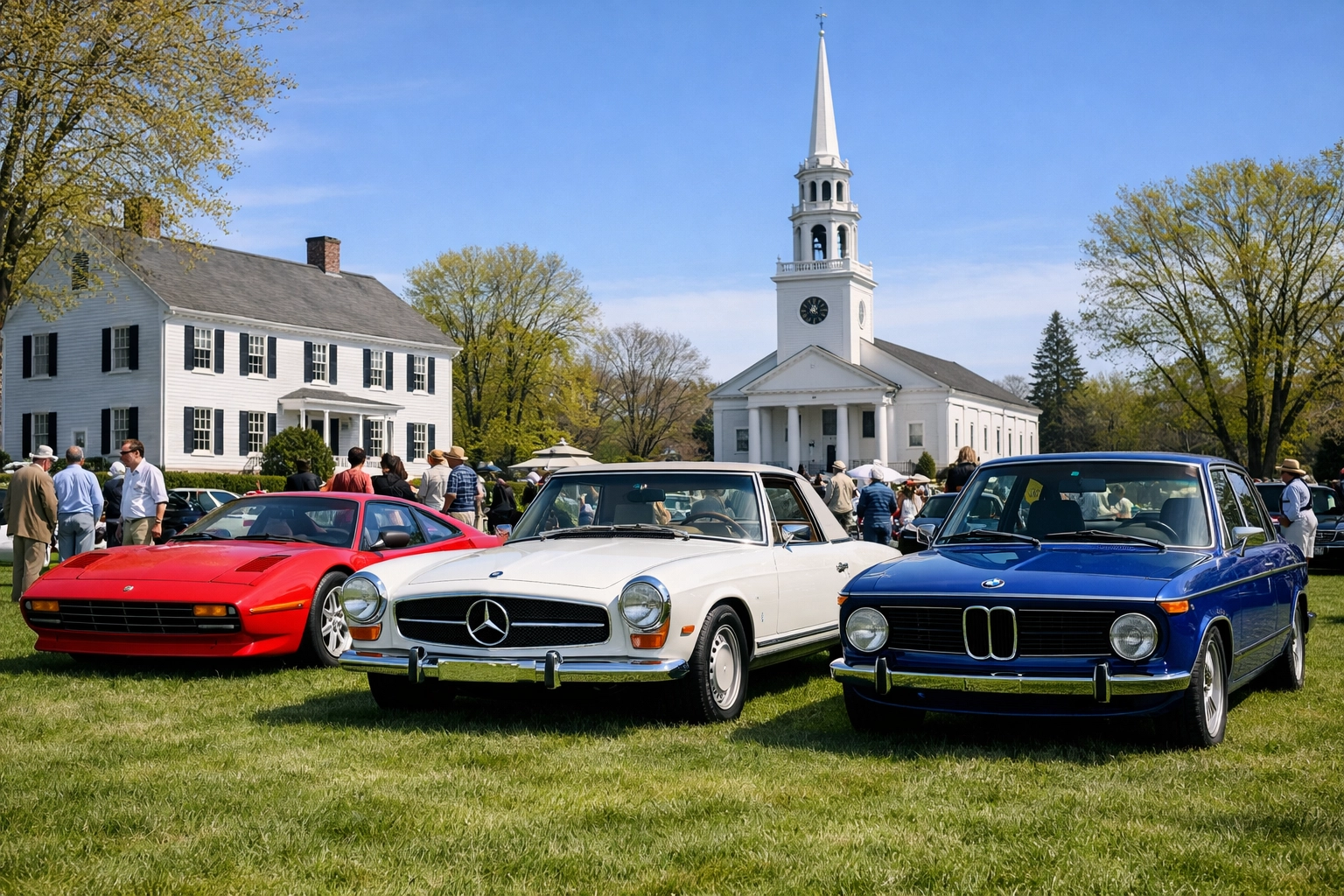
If you have ever spent a crisp April morning driving along Route 7 or carving through the winding backroads of the Litchfield Hills, you know that the scenery is only half the draw. The other half is the soundtrack, the high-pitched mechanical symphony of a vintage Alfa Romeo, the guttural roar of a classic Jaguar, or the precise, air-cooled hum of a Porsche 911. Here in Litchfield County, European imports aren't just cars; they are a cultural staple that has evolved alongside the county itself.
As we celebrate Collector Car Month this April, we at Insure Connecticut, LLC are taking a deep dive into how these foreign marvels became the heartbeat of Connecticut’s most picturesque corner. From the early days of post-war roadsters to the modern-day "Youngtimer" movement, the evolution of European imports in Litchfield reflects a community that values heritage, precision engineering, and the thrill of the open road. But owning a piece of history comes with its own set of responsibilities. Whether you are cruising through Washington Depot or heading to a meet in Kent, ensuring your investment is protected with specialized personal lines insurance is as essential as an oil change.
The Journey from Frontier Trade to European Excellence
Litchfield County has always had a taste for the finer things. In the late 18th and early 19th centuries, local merchants like Julius Deming and Benjamin Tallmadge were already importing luxury goods from Europe and the West Indies. As the county transitioned from a "scrappy frontier" to a commercial hub, the local appetite for quality grew. While the 1800s focused on European textiles and spirits, the 20th century brought a new kind of import: the automobile.
The post-WWII era was the true catalyst. Returning GIs who had seen the agile MGs and Triumphs on European soil brought a hunger for lightweight, spirited driving back to the States. Litchfield’s topography, with its elevation changes, tight corners, and long sweeps, was the perfect playground for these machines. Unlike the heavy, straight-line cruisers being built in Detroit, European imports offered a tactile connection to the road that felt right at home in the Connecticut countryside.
Why Litchfield Became the Epicenter for Imports
There is a reason you see more Ferraris per capita in Litchfield than in almost any other rural county in America. It is a combination of geography and culture.
The Lime Rock Influence: Since 1957, Lime Rock Park in Lakeville has served as the "Road Racing Center of the East." This historic track cemented the county's status as a mecca for European marques like BMW, Porsche, and Mercedes-Benz.
The Scenic Infrastructure: The Litchfield Hills offer some of the best driving roads in the Northeast. Route 202 and the twists around Lake Waramaug demand the kind of handling that European engineers have perfected for decades.
A Culture of Preservation: Litchfield residents take pride in maintenance. Much like the historic homes that dot our village greens, the European imports here are often kept in pristine, "survivor" condition.

Key Benefits and Challenges of the European Import Lifestyle
Owning a European collector car in Connecticut is a rewarding experience, but it isn't without its hurdles. Understanding the balance between the joy of the drive and the logistics of ownership is key to long-term enjoyment.
The Benefits: Performance and Prestige
European imports, particularly those from the "Golden Era" of the 1960s through the 1990s, offer an analog driving experience that modern cars simply cannot replicate.
Engineering Heritage: When you drive a Mercedes-Benz SL or a BMW E30 M3, you are driving a piece of history. These vehicles were built with a "cost-no-object" mentality that is rare today.
Investment Potential: While the market fluctuates, well-maintained European imports have historically shown strong appreciation, especially those with documented Connecticut history.
Community Connection: Owning an import opens doors to local clubs and events, creating a social network of like-minded enthusiasts who value craftsmanship.
The Challenges: Local Hurdles for CT Collectors
The very things that make Connecticut beautiful can be the greatest enemies of a delicate European machine.
The "Salt Scourge": Connecticut winters are harsh, and the road salt used to clear our hills is incredibly corrosive to older European steel. This makes seasonal storage and thorough "de-winterization" non-negotiable.
Parts and Specialized Labor: Finding a mechanic who truly understands the intricacies of a Bosch fuel injection system or a vintage Lucas electrical setup can be difficult. While we have excellent shops in West Hartford and the Litchfield area, lead times can be long.
Insurance Misconceptions: Many owners mistakenly believe their standard auto policy is enough. However, a standard policy typically pays "Actual Cash Value," which factors in heavy depreciation. For a rare European import, you need an "Agreed Value" policy. This ensures that in the event of a total loss, you receive the full, documented value of the vehicle. If you're also a business owner who uses a classic for promotional events, you may even need to look into commercial lines insurance to bridge the gap.
Best Practices for Protecting Your European Investment
If you’ve spent years hunting for the perfect Porsche 356 or a pristine Jaguar E-Type, the last thing you want is for a mishap to derail your passion. At Insure Connecticut, LLC, we recommend a proactive approach to ownership.
1. Document Everything
The value of a European import is often tied to its provenance. Keep a detailed "Life Folder" for your car, including:
Import documentation and original sales receipts.
Service records from local Connecticut specialists.
High-resolution photos of the engine bay, interior, and undercarriage.
Recent appraisals (essential for updating your insurance limits).
2. Choose the Right Storage
Given our humid summers and freezing winters, climate-controlled storage is the gold standard for Litchfield collectors. It prevents the leather from drying out and keeps sensitive electronics from corroding. If you are storing your vehicle in a shared facility or a detached barn, ensure your dwelling fire insurance or homeowners policy accounts for the high-value contents of your outbuildings.
3. Navigate the Insurance Maze
Not all insurance is created equal. When insuring a collector car, you should look for features like:
Agreed Value Coverage: We agree on the car's value upfront.
Inflation Guard: Ensures your coverage keeps pace with the rising collector market.
Spare Parts Coverage: Many European parts are rare and expensive; your policy should cover them if they are stolen or damaged in your garage.
Flexible Mileage: You shouldn't be penalized for taking the long way home through the hills of Cornwall.
For those who treat their car collection as a significant part of their net worth, we often suggest looking into jewelry insurance logic, where every individual piece is scheduled and protected based on its unique merit.

Current Trends and the Future of Imports in CT
The landscape of European car collecting in Litchfield County is shifting. While the "Brass Era" and early post-war cars remain respected, we are seeing a massive surge in "Youngtimers", cars from the 1980s, 90s, and early 2000s.
The Rise of the Youngtimer
Gen X and Millennial collectors are now entering the market, seeking the cars that were on their bedroom posters. This means a surge in interest for:
BMW E46 M3s and E39 M5s: The pinnacle of BMW's driver-focused era.
Porsche 996 and 997: Once overlooked, these are now becoming the entry point for New England Porsche enthusiasts.
Mercedes-Benz R129 SL: A common sight in the parking lots of Litchfield’s upscale restaurants.
The Future: Electrification and Regulation
There is a growing conversation about the "Electromod" trend, taking classic European bodies and fitting them with electric drivetrains. While controversial among purists, it offers a way to keep these beautiful designs on Connecticut roads regardless of future emissions regulations.
Furthermore, as Connecticut adjusts its antique plate laws and property tax valuations for older vehicles, staying informed is vital. We at Insure Connecticut, LLC stay ahead of these trends to ensure our clients' policies reflect the current legal and economic reality of the state.
Frequently Asked Questions
How do I know if I have the right amount of coverage for my import? Standard "Blue Book" values rarely apply to European collector cars. You have the right amount of coverage when you have an "Agreed Value" policy that matches a professional appraisal or current market auction results (like Bring a Trailer or Hagerty).
Can I drive my European import to work occasionally? Most collector car policies allow for "occasional" use, which can include the odd commute on a beautiful Friday. However, if it becomes a daily driver, you may need to transition to a standard motorcycle-insurance-style or high-value auto policy.
What happens if I break down in a remote part of Litchfield County? Ensure your policy includes specialized towing. You don't want a standard hook-and-chain truck picking up your low-clearance Ferrari. You need a flatbed service that understands the delicacy of these vehicles.
Does my homeowners insurance cover my car while it's in the garage? Generally, no. Motor vehicles are excluded from standard homeowners personal property coverage. You need a specific auto policy even if the car is "laid up" for the winter.
How can I reduce my premiums while keeping strong coverage? Maintaining a clean driving record and installing safety devices (like a battery kill switch or a GPS tracker) can help. Also, bundling your collector car with your condo insurance or primary home policy can often trigger multi-policy discounts.
Conclusion: Protecting the Heritage of the Hills
The evolution of European imports in Litchfield County is a testament to the enduring appeal of quality, style, and performance. These cars are more than just transportation; they are rolling pieces of art that connect us to the history of our roads and the spirit of the drivers who came before us.
As we enjoy the blooming daffodils and the clear April skies, take a moment to ensure your "Sunday Driver" is truly protected. At Insure Connecticut, LLC, we live and work in the same communities you drive through. We understand the unique risks and the immense rewards of owning a European classic in the Nutmeg State.
Whether you are a seasoned collector with a climate-controlled warehouse or a first-time buyer of a vintage Volkswagen, we are here to help you navigate the complexities of specialized insurance. Don’t let an outdated policy put your passion at risk.
Ready to review your collector car coverage? Contact Insure Connecticut, LLC today at 860-440-7324 or visit us at our West Hartford office. Let’s make sure your European import is ready for many more miles of Litchfield County backroads.
Insure Connecticut, LLC (InsureCT) is located at 71 Raymond Road, West Hartford, CT 06107. We specialize in providing comprehensive insurance solutions tailored to the unique needs of Connecticut residents. For more information on our services, visit www.myinsurect.com.

Comments