.png)
The Flood Insurance Gap: What Homeowners and Businesses Need to Know About Property Coverage Exclusions

Summary: Flood coverage gaps for Connecticut homeowners and businesses
Standard homeowners and commercial property policies exclude flood; you need separate flood insurance.
Connecticut home insurance needs vary by neighborhood. FEMA maps are a starting point, not the final word on risk.
Compare NFIP and private flood insurance to match coverage, price, and timelines for your address.
Check your address on FEMA’s Flood Map Service Center (msc.fema.gov)
Insure Connecticut helps homeowners and small business owners compare options across multiple carriers. Learn more at myinsurect.com
Picture this: You're reviewing your homeowners insurance policy, feeling confident that you're protected against disasters. The policy mentions coverage for fire, theft, wind damage: everything seems covered. Then the unthinkable happens. A flash flood tears through your neighborhood, leaving your basement filled with contaminated water and your belongings destroyed. When you call your insurance company expecting help, you hear three devastating words: "Floods aren't covered."
This scenario plays out thousands of times each year across America. Despite what many property owners believe, standard homeowners and commercial property insurance policies specifically exclude flood damage: creating a massive protection gap that leaves millions of Americans financially vulnerable.
The numbers tell a sobering story. Two-thirds of all residential flood losses in the United States go completely uninsured. Between 2010 and 2023, floods caused $144 billion in damage nationwide, yet only $50 billion: just 35%: was covered by insurance. This means that billions of dollars in flood damage came straight out of property owners' pockets.
Whether you own a home, run a business, or manage commercial property, understanding this coverage gap isn't just important: it's essential for protecting your financial future. The misconceptions about flood coverage run deep, and the consequences of being unprepared can be devastating. Let's explore exactly what you're not covered for, why this gap exists, and most importantly, what you can do to protect yourself.
Curious about coverage or rates? Request a quote now!
Understanding the Flood Insurance Gap in the U.S. and Connecticut
The flood insurance gap is one of the biggest weaknesses in American and Connecticut property protection. Roughly 2 million homes, nearly $1 trillion in value, face meaningful flood risk without owners realizing it. Many are outside obvious flood zones. They look safe on older federal maps, yet still face measurable risk. Start with FEMA’s Flood Map Service Center to review your address (msc.fema.gov). Then validate with insurer risk tools and local history. For context on rising losses, see NOAA’s Billion-Dollar Disasters dataset (ncei.noaa.gov/access/billions). If you need guidance, Insure Connecticut can help homeowners and businesses compare options across multiple carriers in CT.
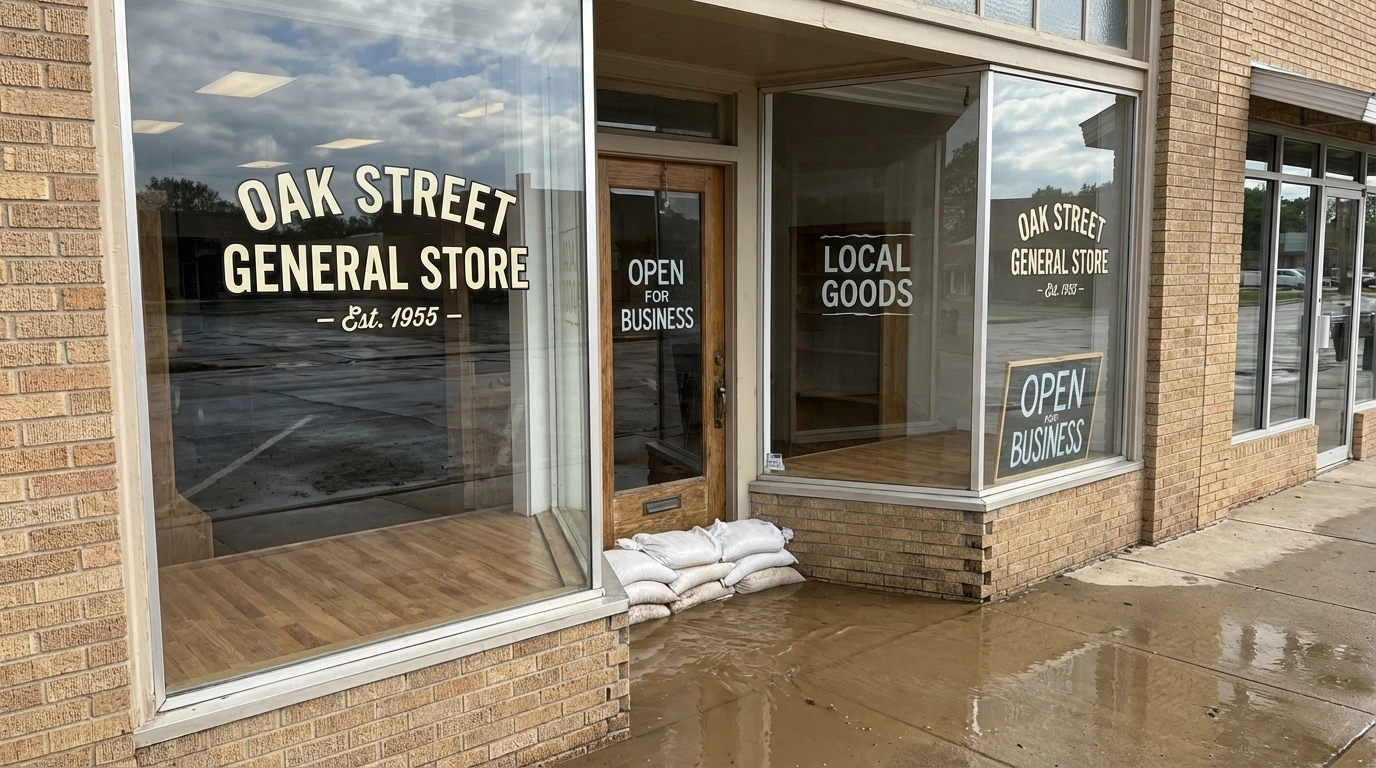
The Geography of Risk
Flood risk extends far beyond coastal areas and traditional flood plains. Consider these eye-opening statistics:
• 25% of all flood insurance claims come from properties outside designated "high-risk" flood zones • 400,000+ homes in the Southeast and Central Southwest are underinsured due to outdated flood mapping • Major metropolitan areas face staggering protection gaps: New York ($95 billion), Los Angeles ($65.6 billion), and San Francisco ($54.9 billion)
The problem isn't just coastal flooding from hurricanes and storm surge. Inland flooding from heavy rainfall, overwhelmed drainage systems, and flash floods poses an equally serious threat to properties nationwide. Climate change has intensified these risks, yet federal flood maps: the foundation for determining who needs flood insurance: haven't kept pace with evolving weather patterns.
Why Traditional Risk Assessment Fails
Federal Emergency Management Agency (FEMA) flood maps, which form the basis for flood insurance requirements, suffer from critical limitations:
Outdated Data: Many flood maps rely on decades-old information that doesn't reflect current development patterns, climate trends, or infrastructure changes.
Limited Scope: FEMA maps focus primarily on riverine and coastal flooding, often missing urban flooding from overwhelmed storm drains and inland flash flooding.
Static Analysis: The maps don't account for climate change projections or evolving precipitation patterns that increase flood frequency and severity.
This outdated approach means that millions of property owners receive a false sense of security. They believe they're safe because they're not in a "high-risk" flood zone, when in reality, their property faces substantial flood risk.
Takeaway: Outside a mapped “high-risk” zone does not mean no risk in Connecticut. Verify your address on FEMA’s map and price flood insurance alongside your Connecticut home insurance or business insurance CT policy.
Why Standard Property Insurance Fails You When Floods Strike
Understanding exactly what your current insurance policies do and don't cover is crucial for making informed decisions about additional protection. The exclusions in standard policies aren't accidental oversights: they're deliberate design features that leave specific gaps you need to address separately.
Homeowners Insurance: The Fine Print Reality
Every standard homeowners insurance policy contains what insurers call the "flood exclusion." This exclusion eliminates coverage for damage caused by:
• Surface water that enters your property from outside • Overflow from streams, rivers, or other bodies of water • Storm surge and coastal flooding • Sewer backup caused by external flooding • Ground seepage following a flood event
The exclusion language is typically broad and unambiguous. Your policy might cover water damage from a burst pipe inside your home, but if water enters from outside: whether from a flash flood, overflowing river, or storm surge: you're on your own.
Commercial Property Insurance: Business Blind Spots
Commercial property policies follow similar patterns, excluding flood damage across multiple areas:
Building Structure: No coverage for flood damage to walls, foundations, HVAC systems, or other structural elements.
Business Personal Property: Equipment, inventory, furniture, and supplies damaged by flooding aren't covered under standard policies.
Business Interruption: While standard policies might cover income loss from covered perils, flood-related business interruption typically requires separate flood insurance.
Additional Expenses: Costs for temporary relocation, expedited repairs, or alternative operations following flood damage often fall outside standard coverage.

The Sub-Limit Problem
Even when property owners do purchase flood insurance, coverage often includes sub-limits and restrictions that reduce actual protection. These limitations can include:
• Coverage caps that fall short of full replacement costs • Separate deductibles for flood claims (often higher than standard deductibles) • Exclusions for certain types of property or areas of buildings • Waiting periods before coverage takes effect
Understanding these limitations helps explain why even insured flood losses often result in significant out-of-pocket expenses for property owners.
Takeaway: Review sub-limits, deductibles, and waiting periods before storm season. Align flood insurance with your home insurance CT or business insurance Connecticut policy to avoid surprises.
The Hidden Financial Consequences of Being Unprotected
The true cost of flood damage extends far beyond immediate repair expenses. When you lack adequate flood insurance, the financial ripple effects can persist for years and impact multiple aspects of your financial life.
Immediate Financial Impact
Flood damage costs add up quickly and can easily overwhelm unprepared property owners:
Structural Repairs: Foundation damage, wall replacement, flooring, and electrical system repairs often cost tens of thousands of dollars.
Content Replacement: Furniture, appliances, electronics, clothing, and personal belongings damaged by contaminated floodwater typically require complete replacement.
Professional Services: Mold remediation, water extraction, structural drying, and cleaning services add thousands to repair costs.
Temporary Living Expenses: If your home becomes uninhabitable, hotel costs, restaurant meals, and storage fees accumulate rapidly.
Long-Term Financial Consequences
The financial impact of uninsured flood losses extends well beyond immediate repair costs:
Mortgage Complications: If you can't afford to repair flood damage, you might face foreclosure while still owing money on a damaged property.
Credit Score Damage: Inability to pay for repairs or temporary housing can lead to missed payments and credit problems.
Reduced Property Values: Unrepaired flood damage or a history of flooding can permanently reduce your property's market value.
Future Insurability: Properties with flood damage history may face higher insurance costs or coverage limitations going forward.
Business-Specific Financial Risks
For business owners, uninsured flood losses create additional complications:
Revenue Loss: Extended closure for repairs means lost income that may never be recovered.
Customer Relationships: Inability to serve customers during extended repairs can result in permanent business loss.
Supply Chain Disruption: Flood damage to inventory or equipment can disrupt operations for months.
Regulatory Compliance: Some businesses must meet specific standards before reopening, adding time and cost to recovery.
What Every Homeowner Needs to Know About Flood Protection in Connecticut
Homeowners face unique challenges when it comes to flood insurance, largely because the requirement to purchase coverage depends on mortgage requirements rather than actual risk assessment. Understanding your options and obligations helps you make informed decisions about protecting your most valuable asset.
NFIP vs. Private Flood Insurance
If you carry Home Insurance in CT, you still need separate flood coverage. You have two primary options:
National Flood Insurance Program (NFIP): • Government-backed program available in participating communities • Standardized coverage limits and pricing • 30-day waiting period before coverage begins • Coverage limits: $250,000 for dwelling, $100,000 for contents
Private Flood Insurance: • Offered by private insurance companies • Often higher coverage limits available • May offer broader coverage options • Potentially faster claims processing • Pricing varies by insurer and risk assessment
Quick comparison: NFIP vs. Private (what CT homeowners should know) • Limits: NFIP max $250k building/$100k contents; Private often higher to match rebuild costs in Connecticut. • Waiting period: NFIP ~30 days; Private often shorter (varies by carrier and underwriting). • Loss of use/additional living expense: NFIP no; Private sometimes offers. • Contents valuation: NFIP often actual cash value; Private may offer replacement cost. • Basement/ground-level coverage: NFIP limited; Private varies by policy—ask for specifics. • Lender acceptance: Both generally accepted by mortgage lenders. • Pricing: NFIP uses Risk Rating 2.0; Private uses proprietary models (may be higher or lower). • Flexibility and endorsements: NFIP standardized; Private more customizable (may add endorsements). • Deductibles: Both offer options; Private may allow broader choices.
Not sure which path fits you? Insure Connecticut compares NFIP and private options for your address so your Connecticut home insurance portfolio is complete.
Mortgage Requirements and Beyond
If your home sits in a FEMA-designated Special Flood Hazard Area and you have a federally backed mortgage, flood insurance is mandatory. However, this requirement captures only a fraction of at-risk properties.
Key considerations for all homeowners:
• Mortgage requirements represent minimum protection, not comprehensive coverage • Your actual flood risk may exceed what FEMA maps indicate • Coverage limits should reflect full replacement costs, not minimum requirements • Contents coverage requires separate consideration and limits
Making the Coverage Decision
When evaluating flood insurance needs, consider these factors:
Your Property's Flood History: Research whether your property or neighborhood has experienced flooding in the past, even if not recently.
Local Development Changes: New construction, road improvements, or infrastructure changes can alter drainage patterns and flood risk.
Your Financial Capacity: Honestly assess whether you could afford major flood repairs without insurance assistance.
Your Peace of Mind: Consider the emotional and financial stress of dealing with uninsured flood damage.
How to Prepare for Flood Season in Connecticut
Use this quick checklist to reduce loss and speed up claims:
Confirm your flood zone and elevation. Screenshot your FEMA map and keep it in the cloud. Check risk at msc.fema.gov.
Ask your agent for both NFIP and at least two private flood quotes. Start 30+ days before peak storm season.
Document your home inventory with photos/video. Include serial numbers. Store files offsite or in the cloud.
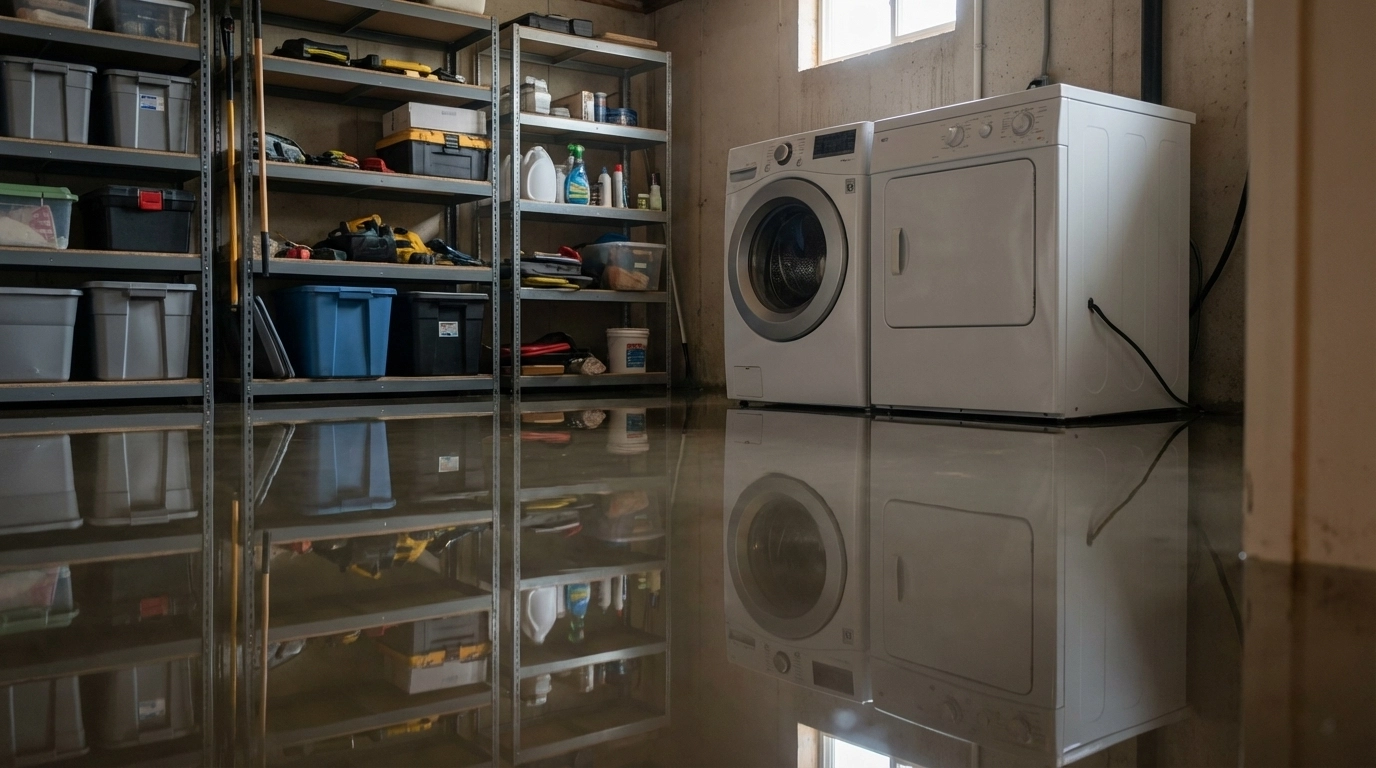
Elevate utilities and appliances (HVAC, washer/dryer, water heater) where possible. Install backflow valves and test your sump pump with a battery backup.
Review your sewer backup endorsement on your CT home insurance. Increase limits if your basement stores valuables.
Safeguard important documents in a waterproof container; keep a digital copy.
Enroll in local weather alerts. Enable Wireless Emergency Alerts on your phone.
Prepare a simple go-bag and move valuables above grade when heavy rain is forecast.
Set an emergency repair fund and review deductibles and loss-of-use coverage.
For businesses, draft a continuity plan: alternate work location, vendor contingencies, and verified data backups.
Need help aligning these steps with your policy? Explore options and guidance at Insure Connecticut for Home Insurance in CT and Business Insurance in Connecticut.
Takeaway: Preparation pays. A simple checklist reduces damage, speeds claims, and lowers stress before, during, and after a storm.
What Business Owners Must Understand About Commercial Flood Risk in Connecticut
Business flood insurance deserves special attention because commercial properties face unique vulnerabilities and coverage challenges. The stakes are often higher for businesses, as flood damage can threaten not just physical assets but ongoing operations and customer relationships.
Commercial Flood Insurance Options
NFIP Commercial Coverage: • Building coverage up to $500,000 • Contents coverage up to $500,000 • Limited business interruption coverage • Standardized policy terms and exclusions
Private Commercial Flood Insurance: • Higher coverage limits often available • Customizable coverage options • May include enhanced business interruption protection • Potentially broader coverage for specialized equipment
Business Interruption Considerations
Standard commercial property insurance typically excludes flood-related business interruption, making separate flood coverage critical for:
• Income protection during repair periods • Coverage for ongoing expenses when revenue stops • Protection for extra expenses required to maintain operations • Consideration for extended closure periods beyond initial damage
Industry-Specific Vulnerabilities
Certain business types face heightened flood risks:
Retail Operations: Ground-floor locations with significant inventory vulnerable to even minor flooding.
Restaurants: Specialized kitchen equipment and food inventory create high replacement costs.
Manufacturing: Production equipment and raw materials can suffer extensive flood damage.
Professional Services: While physical damage may be limited, client records and computer systems face significant risk.
Understanding your industry's specific vulnerabilities helps you evaluate appropriate coverage levels and protection strategies.
Takeaway: If flood damage would pause revenue or disrupt customers, treat coverage as essential. Start with Business Insurance in Connecticut and add flood options sized to your operations.
Frequently Asked Questions About Flood Insurance Coverage
Q: If my homeowners insurance covers water damage, why doesn't it cover floods?
A: Insurance policies distinguish between water damage from internal sources (like burst pipes) and external flooding. The flood exclusion in standard policies is industry-wide and designed to separate these distinctly different risk types. Flood insurance requires specialized underwriting and often government backing due to the catastrophic nature of flood events.
Q: I live in a low-risk area according to FEMA maps. Do I still need flood insurance?
A: FEMA's "low-risk" designation doesn't mean "no risk." Twenty-five percent of flood insurance claims come from areas outside high-risk zones. Climate change, development changes, and aging infrastructure can increase flood risk even in traditionally safe areas. Consider your property's specific characteristics and local drainage patterns when making this decision.
Q: How much does flood insurance typically cost?
A: NFIP premiums vary based on your property's flood risk, coverage amount, and deductible chosen. Average annual premiums range from $400 to $2,000 for most residential properties. Private flood insurance costs vary significantly based on the insurer and your specific risk profile. Recent changes in FEMA's Risk Rating 2.0 system have increased costs for many properties.
Q: Can I buy flood insurance right before storm season?
A: Flood insurance typically includes a 30-day waiting period before coverage takes effect. You cannot purchase coverage immediately before an approaching storm. Planning ahead is essential: buy coverage during calm weather periods, not when flood threats are imminent.
Q: Will federal disaster assistance replace the need for flood insurance?
A: Federal disaster assistance is typically limited and often takes the form of loans that must be repaid, not grants. Assistance amounts rarely cover full replacement costs, and not all flood events qualify for federal disaster declarations. Flood insurance provides guaranteed coverage based on your policy terms, while disaster assistance is uncertain and limited.
Q: What's the difference between flood insurance and sewer backup coverage?
A: Flood insurance covers water damage from external flooding sources. Sewer backup coverage (available as an endorsement to homeowners policies) covers damage when sewers back up into your property due to system overload, but typically excludes backup caused by external flooding. You may need both coverages for comprehensive protection.
Q: How do I know if my business needs flood insurance?
A: Evaluate your business's location, the value of your equipment and inventory, and your ability to operate from an alternative location. Consider whether your business could survive several months without revenue while repairs are completed. If flood damage would threaten your business's survival, flood insurance should be a priority.
Ready to compare flood options in Connecticut? Get a free, no-obligation consult and ask about multi-policy savings when you bundle home insurance CT, business insurance Connecticut, motorcycle insurance in CT, and pet insurance in Connecticut. Request a quote now!
Taking Action to Close Your Coverage Gap in Connecticut
The flood insurance gap represents a significant but solvable problem. Understanding that standard property insurance policies exclude flood damage is the first step toward protecting yourself. The key is taking action before you need coverage, not after flooding occurs.
Your next steps should include:
• Review your current insurance policies to understand exactly what is and isn't covered • Assess your actual flood risk beyond what FEMA maps might indicate • Get quotes for both NFIP and private flood insurance to understand your options • Consider your financial capacity to handle uninsured flood damage • Evaluate whether your business or livelihood depends on property that could be flood-damaged
The statistics are clear: millions of Americans lack adequate flood protection, and the financial consequences can be devastating. But with proper planning and the right coverage, you can avoid becoming another statistic in America's flood insurance gap.
Don't wait for the next major storm or flood event to realize you're unprotected. The 30-day waiting period for flood insurance means that by the time you see flood risks approaching, it's too late to buy coverage. Contact a qualified insurance professional today to review your flood risk and coverage options. Your financial security depends on closing this gap before disaster strikes.
Taking action now to understand and address your flood insurance needs isn't just smart planning: it's essential protection for your most valuable assets and your financial future.
Curious about coverage or rates? Request a quote now!
Comments