.png)
Top 5 Cybersecurity Risks for CT Machine Shops in 2026
- W. Tom Polowy, MS

- Apr 6
- 7 min read
Walking onto a shop floor in Enfield or Stratford in 2026 feels different than it did a decade ago. The smell of cutting fluid and the hum of CNC machines are still there, but there is an invisible layer of digital complexity that now dictates every spindle turn and every shipment. For Connecticut’s precision manufacturers, the "shop floor" no longer ends at the physical walls of the facility. It extends into the cloud, into the Department of Defense (DoD) databases, and across a global supply chain.
However, with this digital evolution comes a new breed of "industrial grit." It’s not just metal shavings and oil anymore; it’s the threat of a malicious actor thousands of miles away turning off your power or stealing your proprietary blueprints for a turbine blade. As an insurance brokerage deeply embedded in the Connecticut manufacturing scene, we at Insure Connecticut LLC have seen the landscape shift.
The question isn't whether you have a firewall. The question is: Can your shop survive a 14-day total production halt caused by a digital breach?
In this guide, we are going to dive into the five most critical cybersecurity problems facing CT machine shops today. We aren't here to sell you "scareware." We are here to educate you on the cold, hard reality of the 2026 threat landscape so you can protect your livelihood.
1. Ransomware in Operational Technology (OT) and ICS Systems
For years, ransomware was an "office problem." A clerk opened a bad email, the accounting files got locked, and you called IT. In 2026, the target has moved. Hackers have realized that the real leverage in a machine shop isn't your QuickBooks file, it’s your Operational Technology (OT).
The Shift from IT to OT
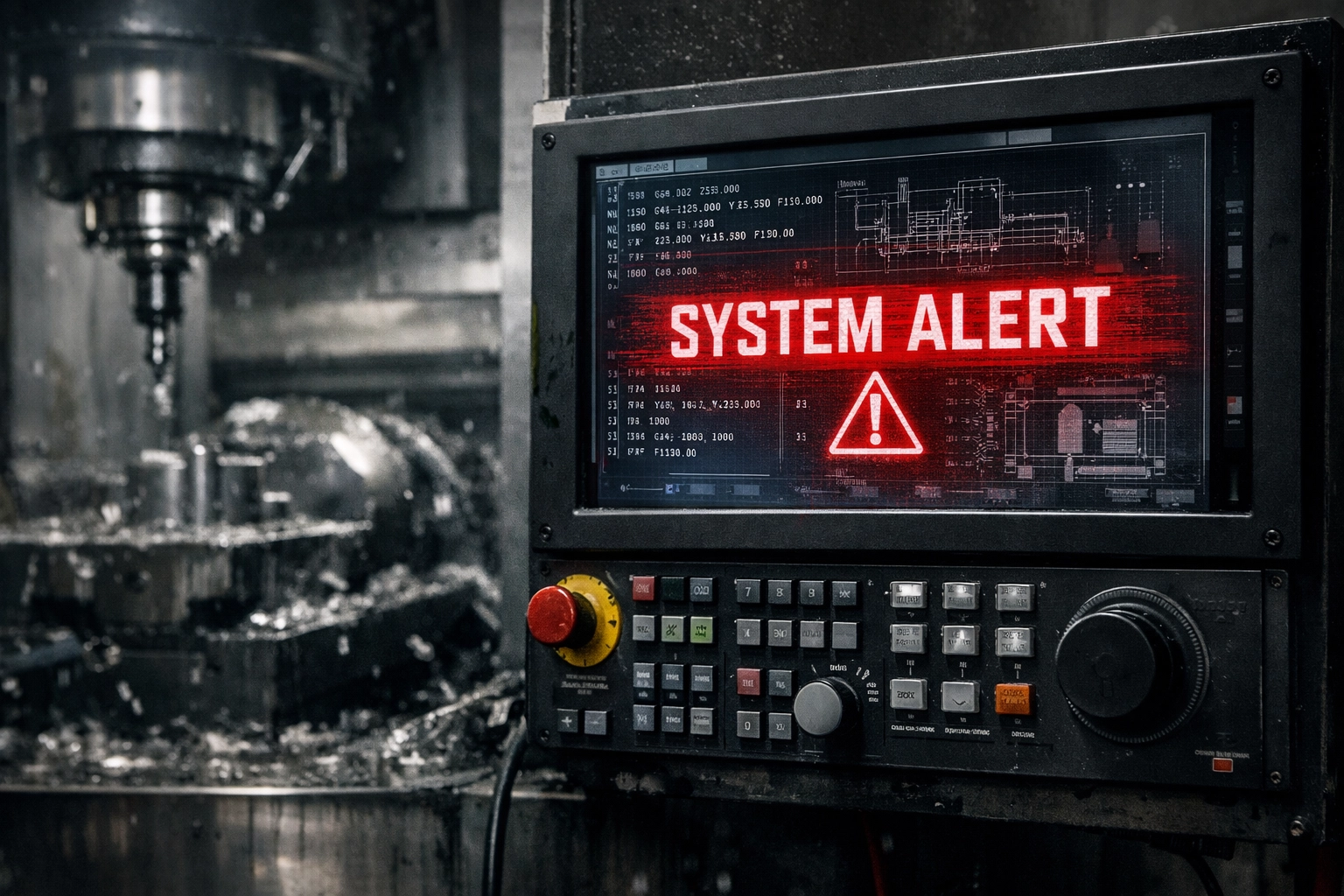
Your Industrial Control Systems (ICS) and CNC controllers are now the primary targets. Attackers are using specialized ransomware designed to bridge the gap between your front-office network and your shop-floor machines. Imagine arriving at your shop in Oxford on a Monday morning only to find every CNC screen displaying a ransom note. No code can be loaded. No parts can be cut.
Why This is a "Problem" for Insurance
Most standard business insurance in Connecticut policies or generic commercial auto insurance Connecticut bundles don't even acknowledge the existence of a CNC controller. If a hacker bricks your $500,000 5-axis machine via software, a traditional policy might view that as "intangible damage." Without a specific Cyber/Tech policy, you are left holding the bill for both the ransom and the hundreds of thousands of dollars in lost production time.
2. Supply Chain and "Sub-Tier" Attacks
Connecticut is the "Aerospace Alley." Whether you are a Tier 1 supplier to Pratt & Whitney or a Tier 4 shop in a small garage in Enfield, you are part of a chain. In 2026, the "Supply Chain Attack" has become the weapon of choice for sophisticated actors.
The "Weak Link" Strategy
Cybercriminals know they can’t easily hack a multi-billion dollar defense prime. Instead, they look for the smaller machine shop that has access to the prime’s vendor portal. If you have a digital connection to a larger customer to receive purchase orders or upload quality reports, you are an entry point.
The Liability Nightmare
If a breach originates in your shop and travels up the chain to a major contractor, the legal ramifications are staggering. This is where Error and Omission insurance and Cyber Liability intersect. You aren't just paying for your own recovery; you might be sued for the damages caused to your customers.
3. Theft of Controlled Unclassified Information (CUI)
If you do any work for the DoD, you know about CMMC 2.0. By 2026, the grace periods are gone. The risk here isn't just a "virus", it’s state-sponsored espionage.
Why Blueprints are Liquid Gold
Foreign adversaries aren't looking for your credit card numbers; they want your CAD files. The precision engineering that goes into a Connecticut-made submarine component or jet engine part is worth millions in saved R&D for a competitor.
The Cost of Non-Compliance
Losing CUI data isn't just a "hack"; it's a breach of contract. If you lose DoD data due to poor cybersecurity, you don't just lose the data, you lose your right to bid on future contracts. This is a catastrophic "death-knell" for many CT shops. When looking for small business insurance in CT, you must ensure your broker understands that a breach equals a loss of "business income" that could last for years, not just days.
4. The "Insider Threat": Disgruntled Employees and Accidental Errors
We like to think of our shop crews as family. In many Connecticut towns, that’s literally true. However, the "Insider Threat" remains one of the top five risks in 2026.
Malicious vs. Accidental
The Malicious Insider: An employee who feels passed over for a promotion and decides to download proprietary tool paths to take to a competitor.
The Accidental Insider: The veteran machinist who brings in a "home USB drive" to move a file, unknowingly introducing a worm into the air-gapped machine network.
The Insurance Reality
Many cyber policies have exclusions for "intentional acts by employees." At Insure Connecticut LLC, we spend a significant amount of time reviewing these exclusions with shop owners. You need a policy that differentiates between the business acting maliciously and a rogue employee causing havoc.
5. Outdated IoT and Legacy Shop Floor Equipment
This is perhaps the most common risk we see in the Connecticut manufacturing corridors. A shop has a perfectly good CNC machine from 2012. It’s built like a tank and holds tolerances perfectly. But, it’s running on an embedded version of Windows 7 or even XP.
The "Zombie" Machine
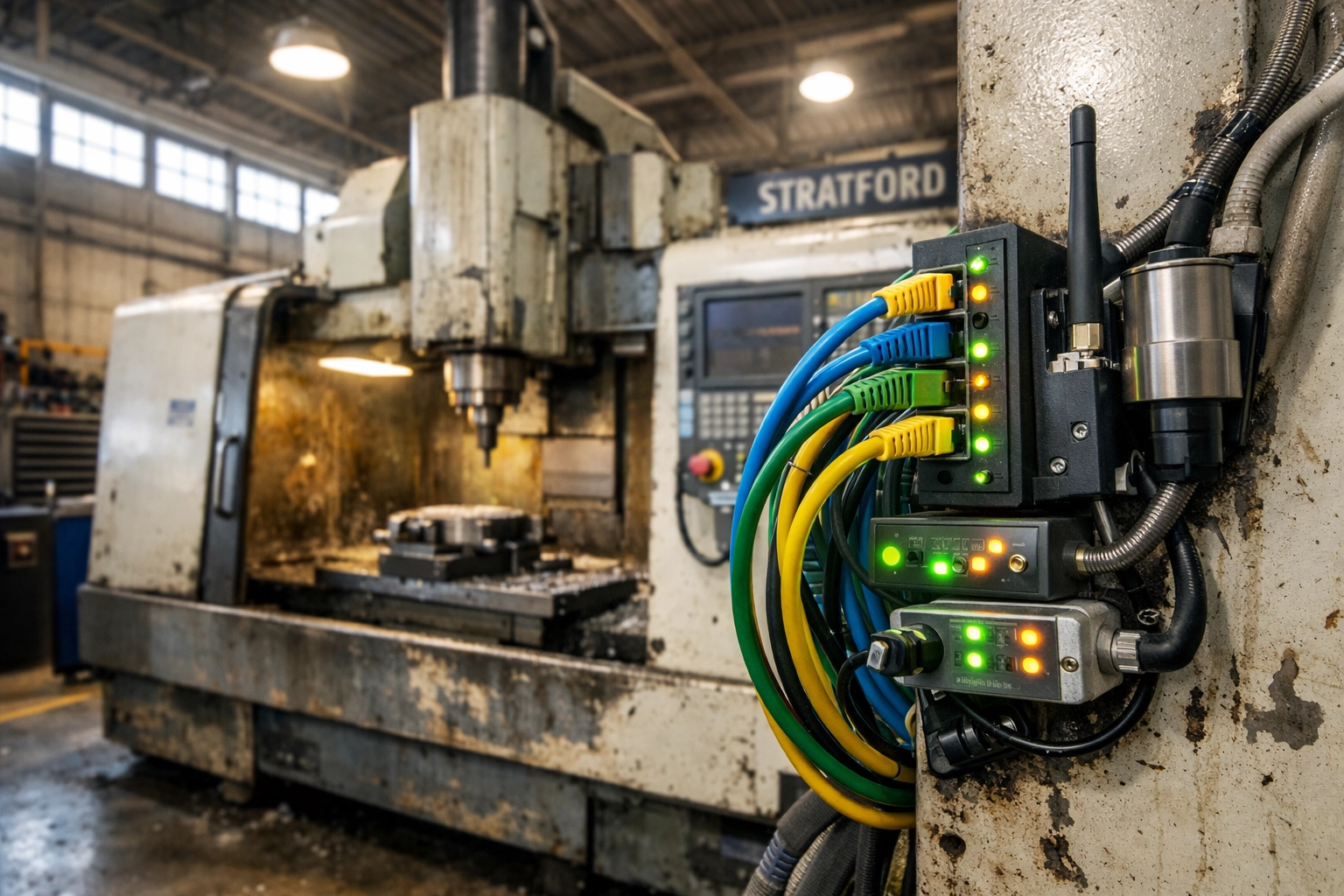
In 2026, these machines are "Zombies." They are functionally excellent but digitally indefensible. Because they are now "connected" to the shop network for remote monitoring or automated scheduling, they serve as an unpatchable gateway for hackers.
The "Inland Marine" Connection
Because these machines are high-value equipment, they are often covered under Inland Marine insurance in Connecticut. However, if a machine’s computer brain is fried by a cyberattack, does your Inland Marine policy cover the "functional loss"? Usually, the answer is no, unless you have a broker who has specifically tied your equipment coverage to your cyber endorsements.
Why Insure Connecticut LLC is Your Best Choice for Manufacturing Cyber
Choosing an insurance broker for a machine shop isn't like buying a personal car insurance Connecticut policy. It requires an industrial mindset.
At Insure Connecticut LLC, we are an independent brokerage. Why does that matter for a machine shop?
Carrier Competition: Cyber insurance for manufacturing is a specialized niche. Some carriers love it; others won't touch it. Because we are independent, we can shop your risk across the entire marketplace to find the one carrier that understands CMMC and CNC risks.
Local Expertise: We know the difference between a job shop in Stratford and an aerospace component manufacturer in Enfield. We understand the specific contracts you are signing with the "Big Primes" in CT.
Treading the "Big 5" Topics: We don't hide from the hard questions. We will tell you exactly why one policy is cheaper (it probably has a "sub-limit" on ransomware) and why another is more expensive (it covers full business interruption).
We don't just provide a piece of paper; we provide a shield for your shop's future.
The "Hug": We Know This is Stressful
If you are a shop owner reading this, you might feel like the walls are closing in. Between rising material costs, labor shortages, and now the "digital boogeyman" of cybersecurity, it’s a lot to carry.
We want you to know: We get it.
The manufacturing community is the backbone of Connecticut. You build the things that keep our country safe and our economy moving. Our goal at Insure Connecticut LLC isn't just to sell you a policy; it's to take the "insurance headache" off your plate so you can get back to what you do best, making chips and hitting tolerances. We are here to be your partner, your educator, and your advocate. You've spent decades building your reputation; don't let a single line of bad code tear it down.
FAQ: Cybersecurity for CT Machine Shops
1. Does my General Liability (GL) policy cover a cyberattack?
No. In almost 99% of cases, standard GL policies specifically exclude "electronic data" from the definition of tangible property. If a hacker deletes your blueprints, your GL policy will likely offer zero coverage.
2. We are "air-gapped." Are we safe?
Unlikely. True air-gapping is rare in 2026. If you use USB drives, remote maintenance tools, or even have a single laptop that connects to both the machine and the office Wi-Fi, you aren't air-gapped. Attackers specialize in jumping these "gaps."
3. How much does a manufacturing cyber policy cost in CT?
Pricing varies based on your revenue and your security controls (MFA, backups, etc.). For a mid-sized shop, you might see premiums ranging from $2,500 to $10,000+ annually. However, the cost of not having it, where a single ransom can be $500,000, is far higher.
4. Can insurance help me with CMMC 2.0 compliance?
Indirectly, yes. Many cyber insurance carriers now require the same security controls that CMMC 2.0 demands (like Multi-Factor Authentication and encrypted backups). Getting "insurable" often puts you 70% of the way toward being "compliant."
5. What is the first thing I should do if we get hacked?
Call your insurance broker and your carrier’s "Breach Coach" immediately. Do not try to wipe the servers or "fix it" yourself. You could inadvertently destroy evidence needed for an insurance claim or a forensic investigation.
6. Do I need Cyber Insurance if I use a managed service provider (MSP)?
Yes. Your MSP likely has their own insurance, but their policy covers their mistakes, not your lost profits. If your MSP is hacked and your shop goes down, you need your own policy to cover your business interruption and recovery costs.
7. What is "Social Engineering" coverage?
This covers losses from being tricked: like if an employee receives a fake email from "the owner" asking to wire $50,000 to a new supplier. This is a very common risk for CT shops and is often an "add-on" to a standard cyber policy.
Final Thoughts for the Shop Floor
The risks of 2026 are real, but they are manageable. By identifying the vulnerabilities in your OT, securing your supply chain, and ensuring your insurance broker actually knows what a CNC machine is, you can protect your shop from the digital "gremlins" that threaten our industry.
Ready to see how your current coverage stacks up? Don't wait for the ransom note to find out you have a "hole" in your policy. Request a Quote Form today, and let’s talk shop, literally.
Protecting the machines that build Connecticut. That’s the Insure Connecticut LLC promise.

Comments