.png)
Day 2: Anatomy of Municipal Snow Costs – What's Really Draining Your Winter Budget?

What are the biggest winter costs for towns and cities? How much should municipalities budget for snow removal expenses? If you're a municipal finance officer, public works director, or city manager, these questions probably keep you up at night during winter planning season.
The reality is that snow removal costs have become one of the most unpredictable line items in municipal budgets. A mild winter might leave you with surplus funds, while a single major storm can blow through your entire seasonal allocation in 48 hours. Understanding exactly where your snow budget goes is the first step toward gaining control over these volatile expenses.
Let's break down the real anatomy of municipal snow costs: from the obvious expenses to the hidden budget drains that catch many cities and towns off guard.
Labor: The Biggest Slice of Your Winter Pie
What percentage of snow removal costs goes to labor? For most municipalities, labor represents 60-70% of total winter operations expenses. This isn't just about your regular public works crew: it's about the entire ecosystem of personnel needed when snow starts falling.
Your base snow removal team typically earns $25-$75 per hour for standard operations, but that's just the beginning. When storms hit during nights, weekends, or holidays, you're looking at overtime rates of $45-$110 per hour. Large municipalities often contract additional crews at $50-$200 per hour for extensive parking lot and roadway clearance.
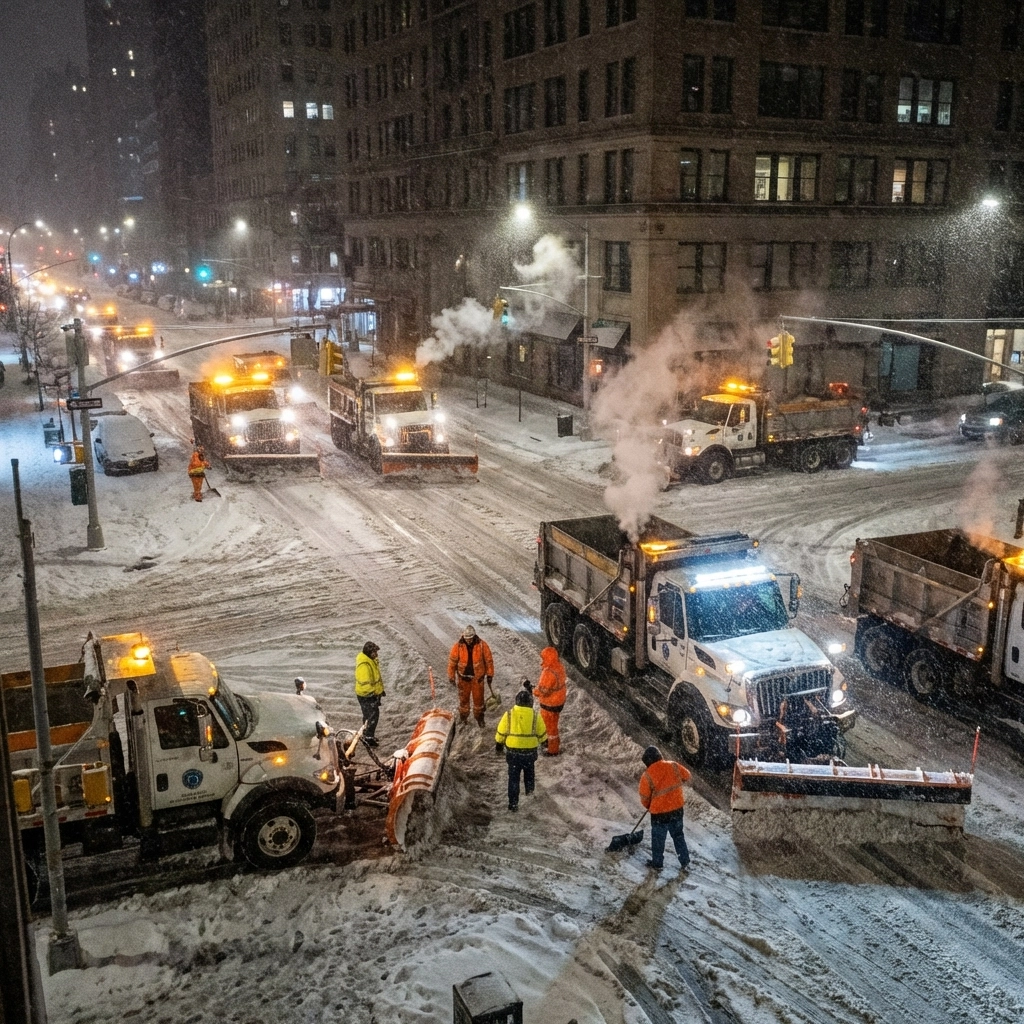
But here's what many budget planners miss: labor costs compound rapidly. A 12-hour storm doesn't just mean 12 hours of wages: it means multiple shifts, overlap periods, and extended operations that can stretch a single storm event into 18-24 hours of labor costs.
Consider the Town of Millfield (population 35,000) in upstate New York. During the 2023-2024 winter season, they budgeted $180,000 for snow removal labor. By February, a series of three major storms had already consumed $220,000 in labor costs alone, forcing them to reallocate funds from summer road maintenance projects.
The Hidden Labor Multipliers
Beyond direct snow removal, winter weather triggers additional labor expenses:
Emergency response teams working extended shifts during storm events
Administrative staff coordinating operations and managing public communications
Equipment maintenance crews working around the clock to keep plows operational
Traffic management personnel handling increased accident responses and road closures
Equipment and Materials: The Escalating Expense Categories
How much do municipalities spend on snow removal equipment annually? The answer depends heavily on your approach and snow severity, but equipment costs are climbing faster than most other budget categories.
Equipment Operational Costs
Standard snowplowing operations cost municipalities $35-$95 per visit for smaller routes, but large commercial areas like municipal parking lots can run $200-$400 per visit or $1,000-$2,000 for entire seasonal contracts.
Snow blowing services, often used for sidewalks and detailed work around municipal buildings, average $25-$75 per hour. However, municipalities with extensive pedestrian areas can see these costs multiply quickly during heavy snow seasons.
Materials: The Price Volatility Challenge
Rock salt remains the most cost-effective de-icing material, but prices fluctuate significantly based on regional supply and demand. Many municipalities have experienced 20-30% price increases during severe winters when demand spikes.
Eco-friendly de-icing alternatives cost significantly more but are increasingly required in environmentally sensitive areas. The City of Burlington, Vermont, switched to environmentally-friendly de-icers for areas near Lake Champlain, increasing their materials budget by 40% but avoiding potential environmental fines.
The Snowfall Multiplication Effect: Why Inches Equal Dollars
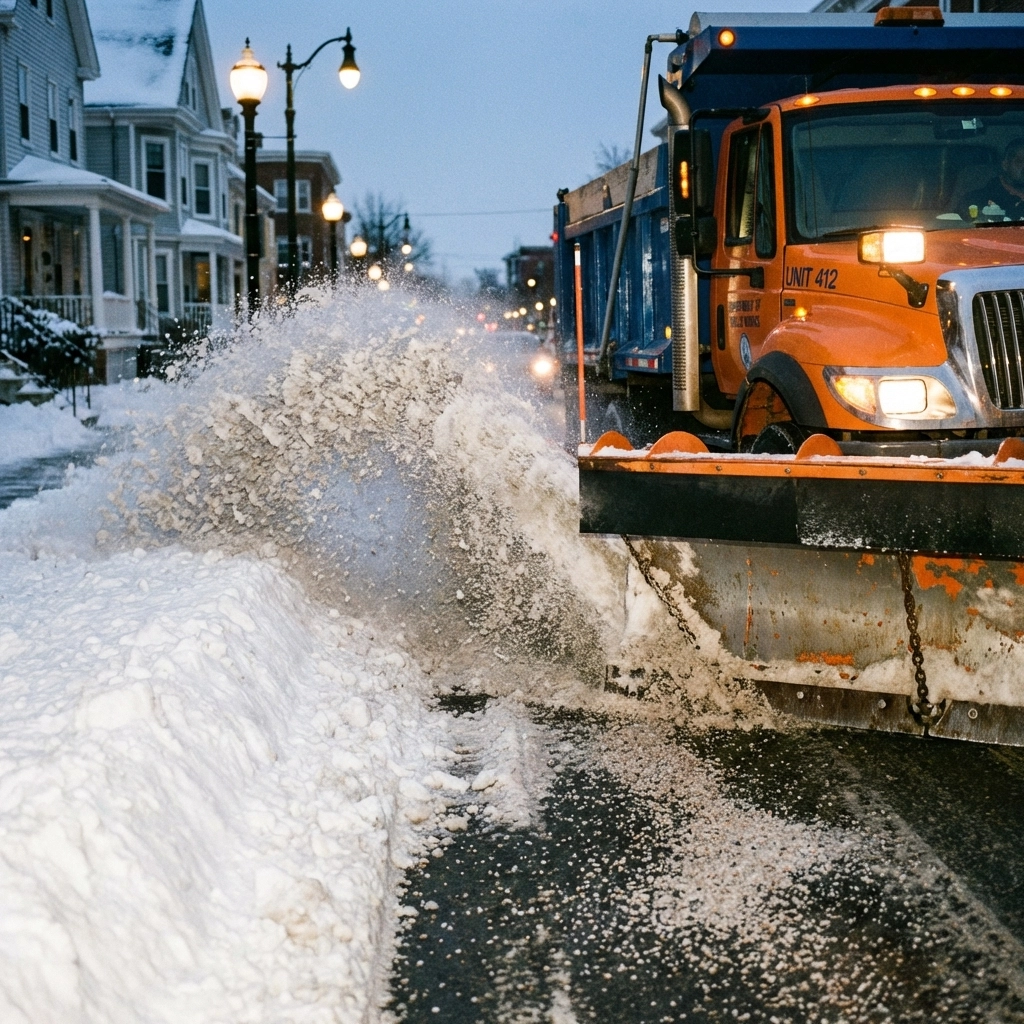
How does snowfall amount impact municipal costs? The relationship between snowfall and expenses isn't linear: it's exponential. Understanding this multiplication effect is crucial for realistic budget planning.
The first six inches of snow typically cost $10-$25 per inch across your municipal snow removal operations. However, every additional inch above six costs $4-$9 extra per inch, and this doesn't account for the operational complications that arise with heavier accumulations.
Why More Snow Costs Exponentially More
Heavy snowfall events require:
Multiple passes on the same routes
Longer operational hours as equipment moves slower through deeper snow
Additional equipment brought in from other departments or contractors
Increased fuel consumption as vehicles work harder
Higher materials usage for effective de-icing
The Town of Snowdale, Colorado, learned this lesson during the winter of 2024. Their budget assumed average snowfall of 8 inches per storm. When they experienced three storms with 14+ inches, their per-storm costs increased by 180%, not the expected 75%.
Hidden Costs That Devastate Municipal Budgets
What snow-related expenses do towns often forget to budget for? Beyond the obvious costs of plowing and salting, several hidden expenses can derail even well-planned winter budgets.
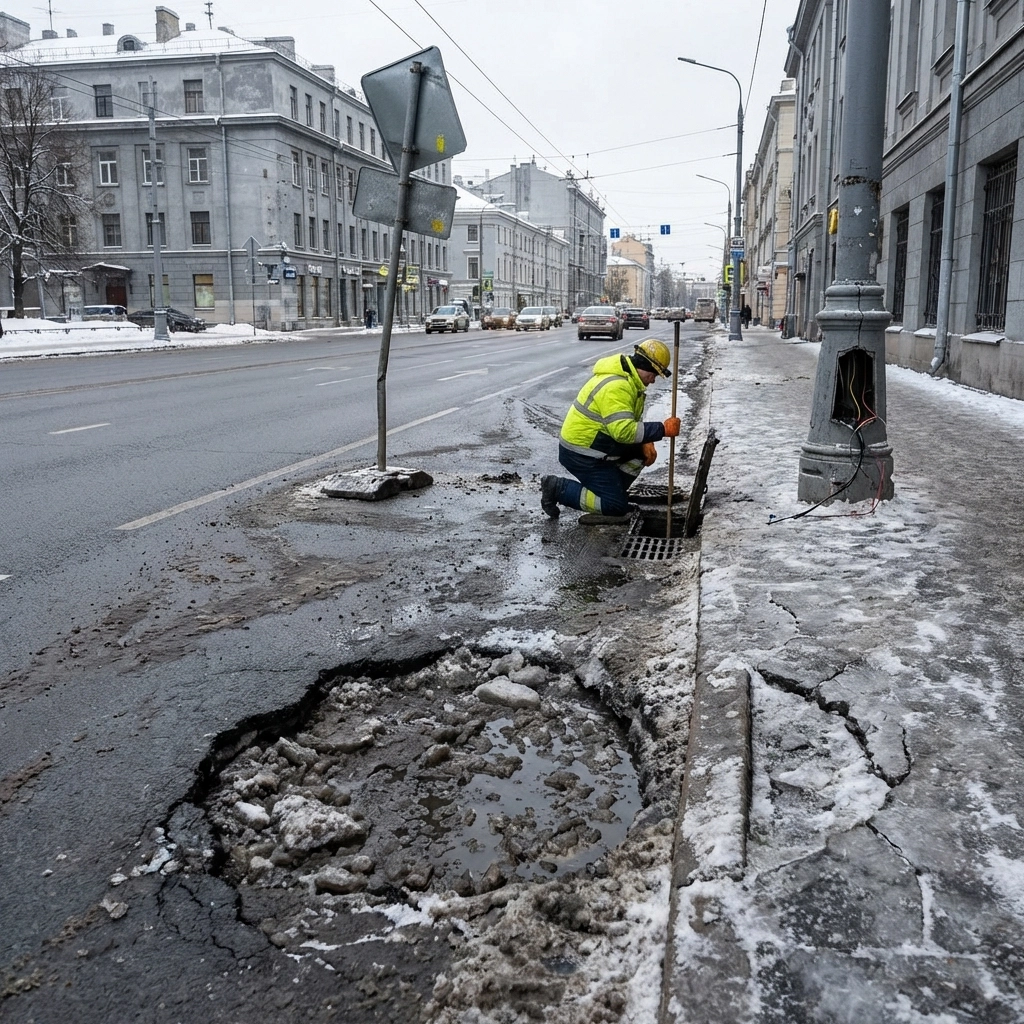
Infrastructure Damage and Repairs
Freeze-thaw cycles and heavy snow loads cause significant infrastructure damage:
Pothole repairs from frost heaving and snow plow damage
Signage replacement from snow removal equipment impacts
Drainage system maintenance from ice blockages and debris
Building maintenance from ice dam damage and roof load stress
Liability and Risk Management
Winter weather increases municipal liability exposure:
Increased accident response costs from hazardous road conditions
Slip-and-fall incidents on municipal properties requiring investigation and potential settlements
Property damage claims from snow removal operations
Emergency services strain during severe weather events
Equipment Wear and Emergency Repairs
Intensive winter operations accelerate equipment wear:
Increased maintenance schedules for snow removal equipment
Emergency repairs when equipment fails during storm events
Fuel cost spikes during extended operations
Equipment replacement due to accelerated depreciation
Real-World Municipal Impact: Case Studies in Cost Escalation
The City of Lakewood, Michigan (population 45,000), provides a telling example of winter cost escalation. Their 2023 winter budget of $425,000 seemed adequate based on five-year averages. However, by March, they had spent $680,000: a 60% overrun caused by:
Two major ice storms requiring extensive overtime and contractor support
Equipment failure during peak operations necessitating emergency rentals
Increased liability costs from weather-related accidents
Additional materials costs due to supply shortages during peak demand
Similarly, the Town of Alpine Heights, New Hampshire, faced budget challenges when their planned 15-storm season turned into 28 separate snow events, each requiring full municipal response.
The Budget Planning Dilemma: Preparing for the Unpredictable
How can municipalities create realistic snow removal budgets? Traditional budget planning assumes average conditions, but winter weather rarely cooperates with averages. This creates a fundamental planning challenge:
Budget too conservatively, and you'll struggle with basic operations during normal winters
Budget too aggressively, and severe weather will devastate your municipal finances
Most municipalities try to balance these concerns by:
Maintaining contingency reserves of 25-40% above average seasonal costs
Developing contractor relationships for overflow capacity during major events
Cross-training personnel from other departments for emergency snow operations
Enter the Solution: Parametric Insurance for Municipal Snow Costs
This brings us to why forward-thinking municipalities are exploring parametric insurance solutions. Unlike traditional insurance that requires damage assessment and lengthy claims processes, parametric insurance provides immediate financial relief based on measurable weather events.
When snowfall exceeds predetermined thresholds: say, 8 inches in 24 hours: parametric policies trigger automatic payments that municipalities can use immediately for:
Extended labor costs during major storm events
Emergency contractor expenses when internal capacity is exceeded
Equipment rental costs for additional snow removal capacity
Materials procurement when supplies run short during severe weather
The Town of Fairfield, Connecticut, implemented parametric snow coverage in 2023. When they experienced a 16-inch storm in January 2024, they received a $45,000 payment within 72 hours: money that covered their contractor overages and kept their budget on track for the remainder of the season.
Taking Control of Your Winter Budget
Understanding the true anatomy of municipal snow costs is the first step toward budget stability. The combination of unpredictable labor expenses, equipment costs, hidden infrastructure impacts, and liability exposure creates a perfect storm of budget volatility.
Parametric insurance offers municipalities a new tool for managing this volatility: providing immediate financial resources precisely when winter weather pushes costs beyond planned levels.
Ready to explore how parametric snow coverage could stabilize your municipal winter budget? Contact Insure Connecticut LLC for a consultation on parametric insurance solutions designed specifically for municipal snow management challenges.
Tomorrow, we'll dive deeper into real-world scenarios where winter weather has broken municipal budgets: and how parametric insurance could have changed those outcomes.
Comments